UPS Battery Replacement
UPS battery failures are common but can be avoided through careful planning and regular maintenance. Key steps to ensure battery longevity include:
- Operational Temperature: Maintain ambient temperatures between 19ºC and 22ºC to optimize performance. Extremes in temperature can drastically affect battery life.
- Causes of Overheating: High temperatures above 22ºC may lead to thermal runaway, causing overheating and damage. Proper cooling systems are essential.
- UPS Battery Installations: Ensure a minimum gap of 10mm for ventilation when installing batteries.
- UPS Battery Failure: Weakened individual cells can lead to disproportionate charging and overheating, eventually causing complete battery failure.
- Battery Discharge Cycles: Frequent discharges reduce battery life. Each discharge-recharge cycle affects longevity.
- Battery Terminals: Regular cleaning and maintenance of battery terminals are crucial to prevent shorts and extend battery life.
- Battery Impedance: Conduct annual impedance tests to ensure batteries are functioning properly and are fully charged.
- Battery Age: Replace batteries before the end of their design life to ensure reliability.
- Battery Leaks: Any leaking batteries should be replaced immediately to avoid chemical hazards and risks of fire.
For assistance with battery maintenance, contact Power Continuity.
UPS battery failure is common and happens. Power Continuity explains how this can be avoided. Plan carefully with regular maintenance, as well as following the simple steps below.
1. Operational Temperature
The optimum battery performance can be achieved. The optimum battery performance can be achieved.
Above all, the battery operational ambient temperature is constantly between 19ºC and 22ºC in a dust free , NON humid environment.
Reasons why?
Below 19ºC or much lower and batteries will under perform placing a strain on the battery.
Above 22ºC will increase the battery capacity unnecessarily and dramatically reduces battery life.
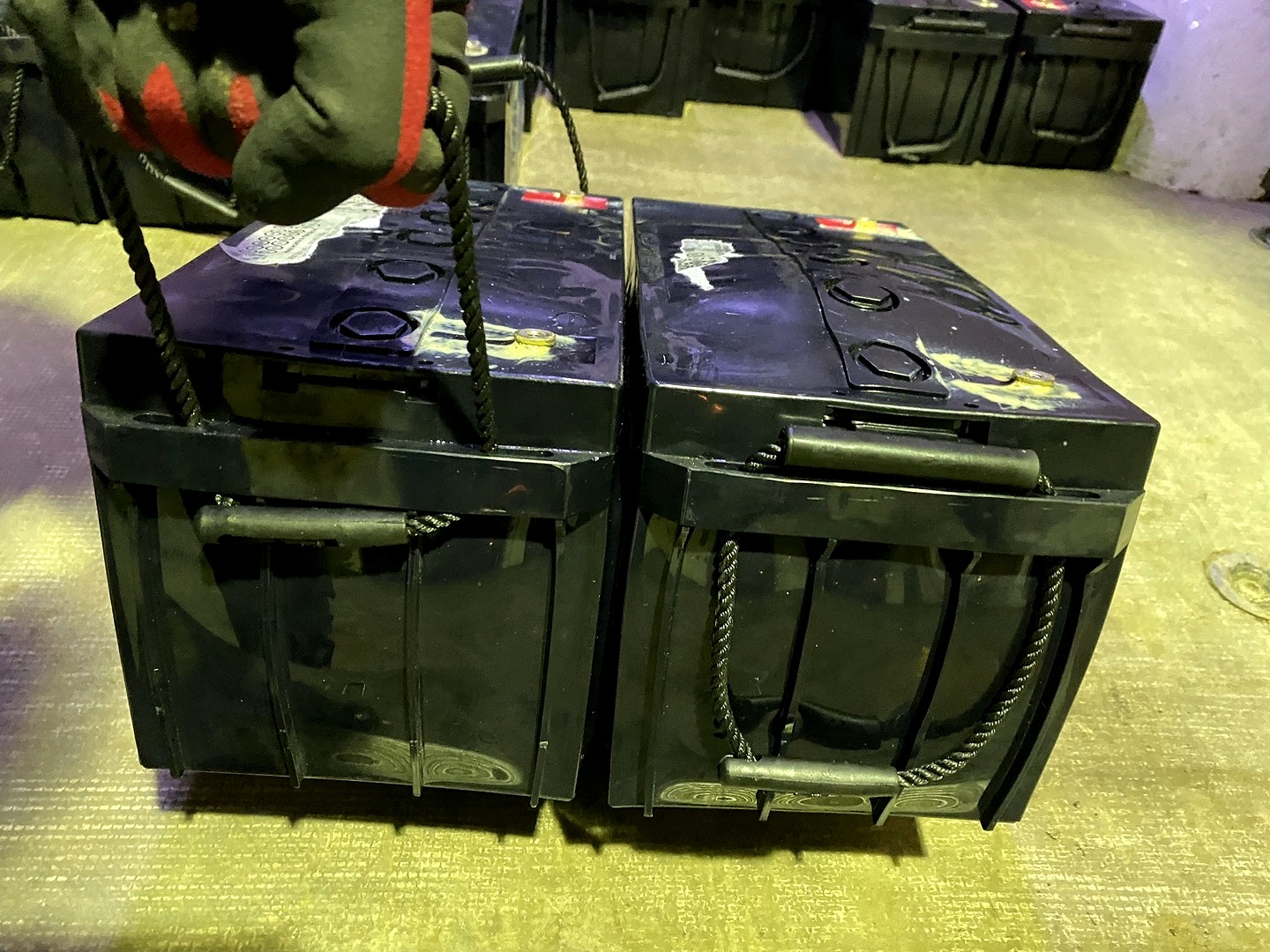
2. Causes of overheating
High battery temperatures happen when the ambient temperature of battery storage environment is constantly above 22C. If the ambient remains constantly above 22C, this adversely effects the chemical structure of the batteries. Consequently, causing the internal heat generated by the batteries to also rise. This gives off heat and causes the situation to get worse and is a vicious circle, “ thermal runaway”.
When batteries charge, they give off heat. It’s important that the room MUST be cooled with a working A/C system.
3. UPS Battery Installations
Whether in racks of purpose built cabinets must have a minimum 10mm gap between each block; this is for ventilation and to allow heat dispersal and ‘hot spots’.
4. UPS Battery failure
As each individual battery cell weakens over time, the battery will charge at a disproportionate rate. Probably faster than the norm.
Due to this, eventually it will begin to take down the rest of the battery string. It will over heat as the battery overcharges. Consequently, creating hot spots as each cell fails until all the cells in that battery completely fail.
5. Battery Discharge cycles
First of all, the more the UPS batteries are used the more the battery life is reduced.
Because of this, there is a direct correlation to the number of battery discharge-recharge cycles. Constant discharging of batteries will dramatically reduce the battery life.
6. Battery Terminals
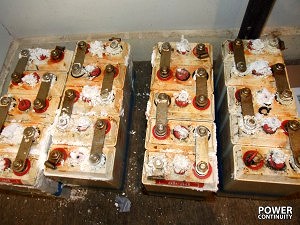
Ensure the battery contacts are cleaned and greased. Never allow chemical build up on the terminals as this will cause the battery to short and again reduce the battery life.
7. Battery Impedance
Annual battery impedance tests will prove whether the batteries are fully charged. As well as, correctly charging and not deteriorating since the last test.
Certainly, the status of all the cell terminals will be confirmed during impedance test readings.
Through out the test the UPS remains operational and your Comms will remains power protected.
8. Battery age
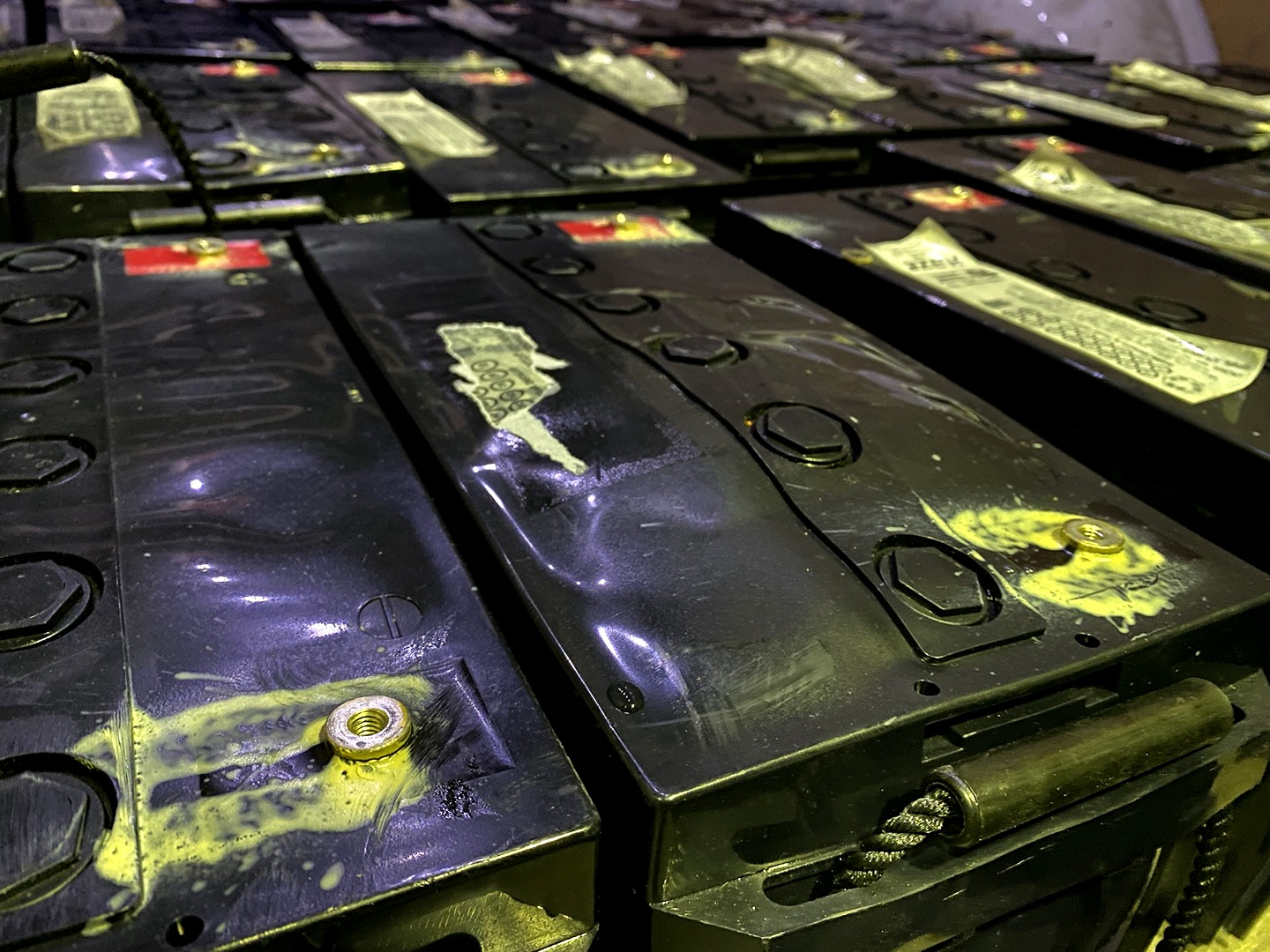
Primarily, all batteries have a design life ‘sell by date’.
Do NOT stretch beyond that date.
Certainly, we advise replacing batteries well inside their design life date.
Don’t risk it- Replace early and stay power protected!
9. Battery leaks
All batteries are a chemical mix of acids and chemicals.
Leaks do happen and are ACIDIC and poisonous.
As a result, replace any leaking UPS battery immediately.
If you ignore this, the leak will be corrosive onto the next battery and on and on, causing dangerous gases and FIRE RISK.