Battery Impedance Testing
Maintaining UPS batteries is vital for reliability in power protection systems, as battery failure is the most common issue, often due to high resistance, leakage, or open circuits. A thorough inspection and maintenance program should include:
- Regular Health Checks: Inspect batteries for damage, corrosion, and use monitoring systems to check voltage and temperature.
- Performance Testing: Conduct load tests to ensure batteries can deliver power during outages.
- Proper Charging: Follow manufacturer guidelines to avoid over/undercharging.
- Clean Environment: Maintain cleanliness and proper ventilation around batteries.
- Record Keeping: Maintain logs of inspections and tests to track performance over time and schedule proactive maintenance.
Battery types differ, with VRLA and wet cell batteries needing specific maintenance approaches. Regular testing, including impedance testing, is crucial for ensuring battery reliability and preventing unexpected power outages.
Regularly inspecting and maintaining batteries is essential to ensure the reliability of any Uninterruptible Power Supply ( UPS) system, whether it is a Telecommunications 48V system or a generator. Surprisingly, regardless of the cost or complexity of the power protection system, the most common point of failure is often the batteries. Issues such as high resistance, leakage, or open circuits can lead to battery failure, resulting in reduced autonomy or, in the case of a generator, the inability to start. Consequently, this leads to the loss of power supply to the site, necessitating the urgent intervention of a 24-7 emergency call-out engineer.To prevent such situations and maintain the integrity of UPS systems and generators, it is crucial to implement a thorough battery inspection and maintenance program. This program should include the following key steps:
Regularly check battery health:Perform routine inspections to assess the condition of the batteries. Look for signs of physical damage, corrosion, leaks, or other abnormalities that may indicate potential issues. Additionally, use specialised battery monitoring systems to measure voltage, capacity, internal resistance, and temperature. Monitoring these parameters can provide valuable insights into the overall health and performance of the batteries.
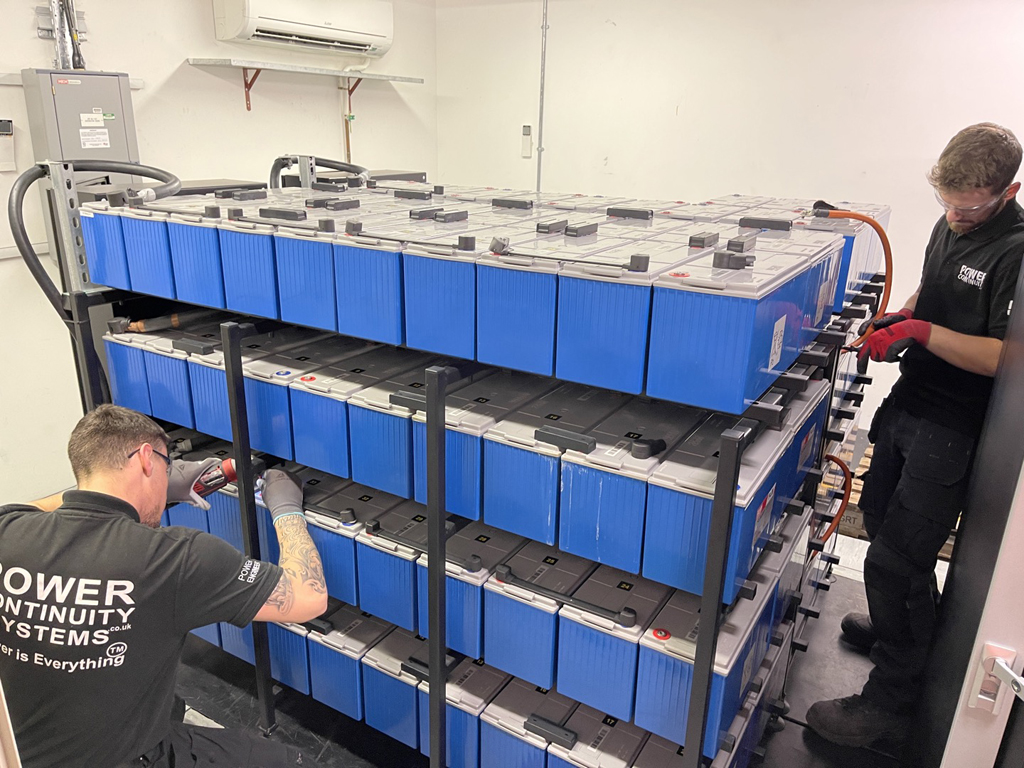
Test battery backup performance: Conduct regular load testing to evaluate the capability of the batteries to provide backup power. Load testing involves simulating a power outage and assessing how the batteries perform under such conditions. This test helps identify any batteries that are unable to meet the expected autonomy requirements. If any batteries fail to perform satisfactorily, they should be promptly replaced to ensure reliable power supply during emergencies.
Ensure proper battery charging: Correct charging is vital for maintaining battery health and maximising their lifespan. Implement a charging regime that follows the manufacturer's recommendations and industry best practices. This includes using the appropriate charging voltage, monitoring charging currents, and avoiding overcharging or undercharging. Regularly check the charging equipment, such as chargers or rectifiers, to ensure they are functioning correctly and delivering the desired charging parameters.
Maintain battery cleanliness and ventilation:Keep the battery environment clean and free from dust, debris, and corrosive materials. Regularly inspect the battery racks or enclosures for any signs of contamination and remove any foreign objects that may affect battery performance. Adequate ventilation is also important to regulate the temperature around the batteries, as extreme temperatures can degrade battery performance and lifespan.
Keep records and establish a maintenance schedule: Maintain detailed records of all battery-related activities, including inspections, tests, maintenance, and replacements. This historical data helps track battery performance over time and facilitates proactive maintenance planning. Establish a regular maintenance schedule that includes tasks such as visual inspections, temperature and voltage measurements, tightening connections, and performing load tests. Adhering to this schedule ensures that battery health is consistently monitored and any issues are promptly addressed.
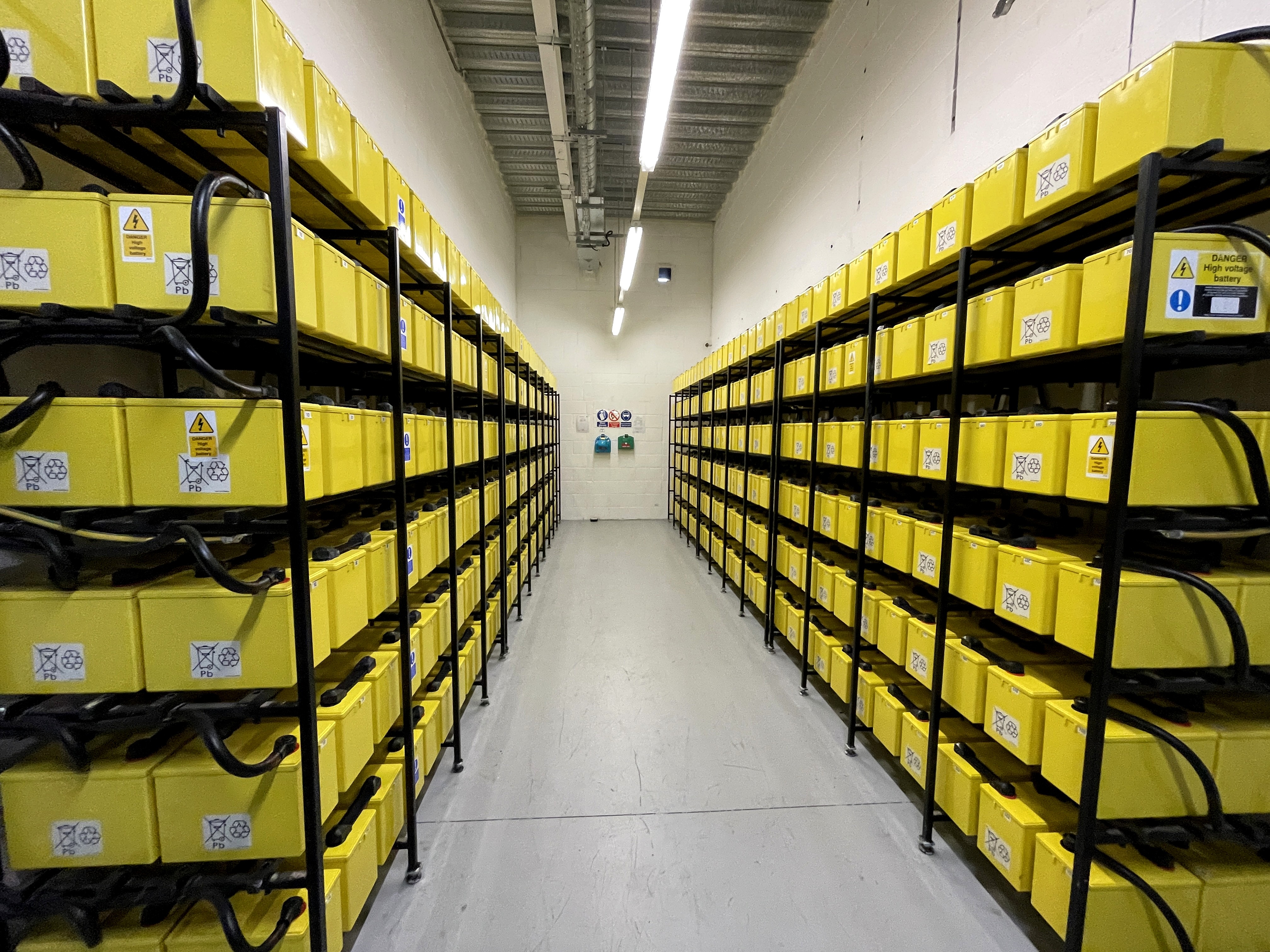
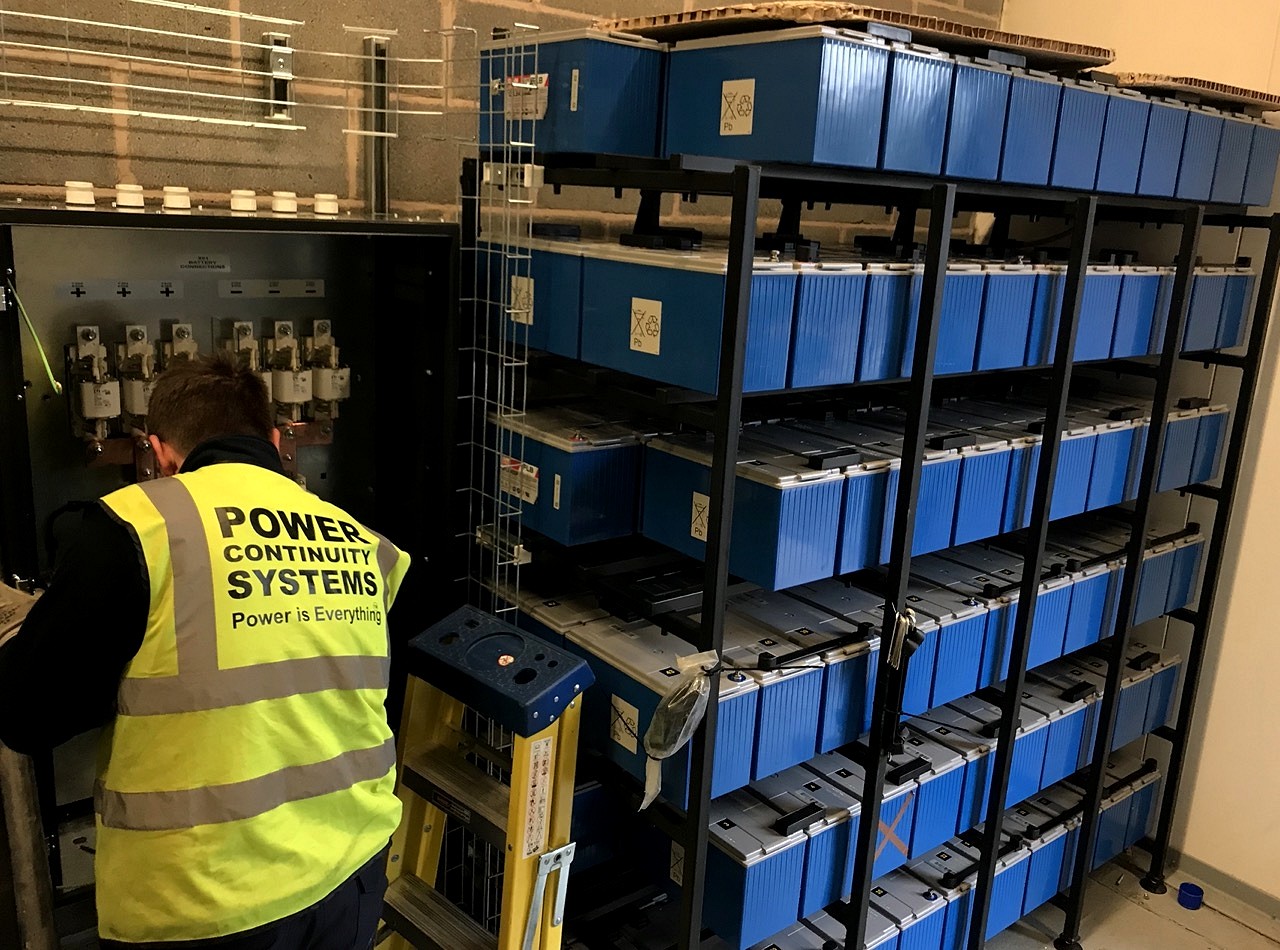
By implementing a comprehensive battery inspection and maintenance program, the risk of battery failures in UPS systems or generators can be significantly reduced. Regular checks and tests help identify potential issues before they escalate, avoiding unexpected power outages and the subsequent need for emergency call-out engineers. Prioritising battery health and following industry best practices ensures the uninterrupted power supply capability and reliable operation of critical systems. Ultimately, a proactive approach to battery maintenance contributes to the overall reliability and resilience of power protection systems.
Internal/Housed Batteries
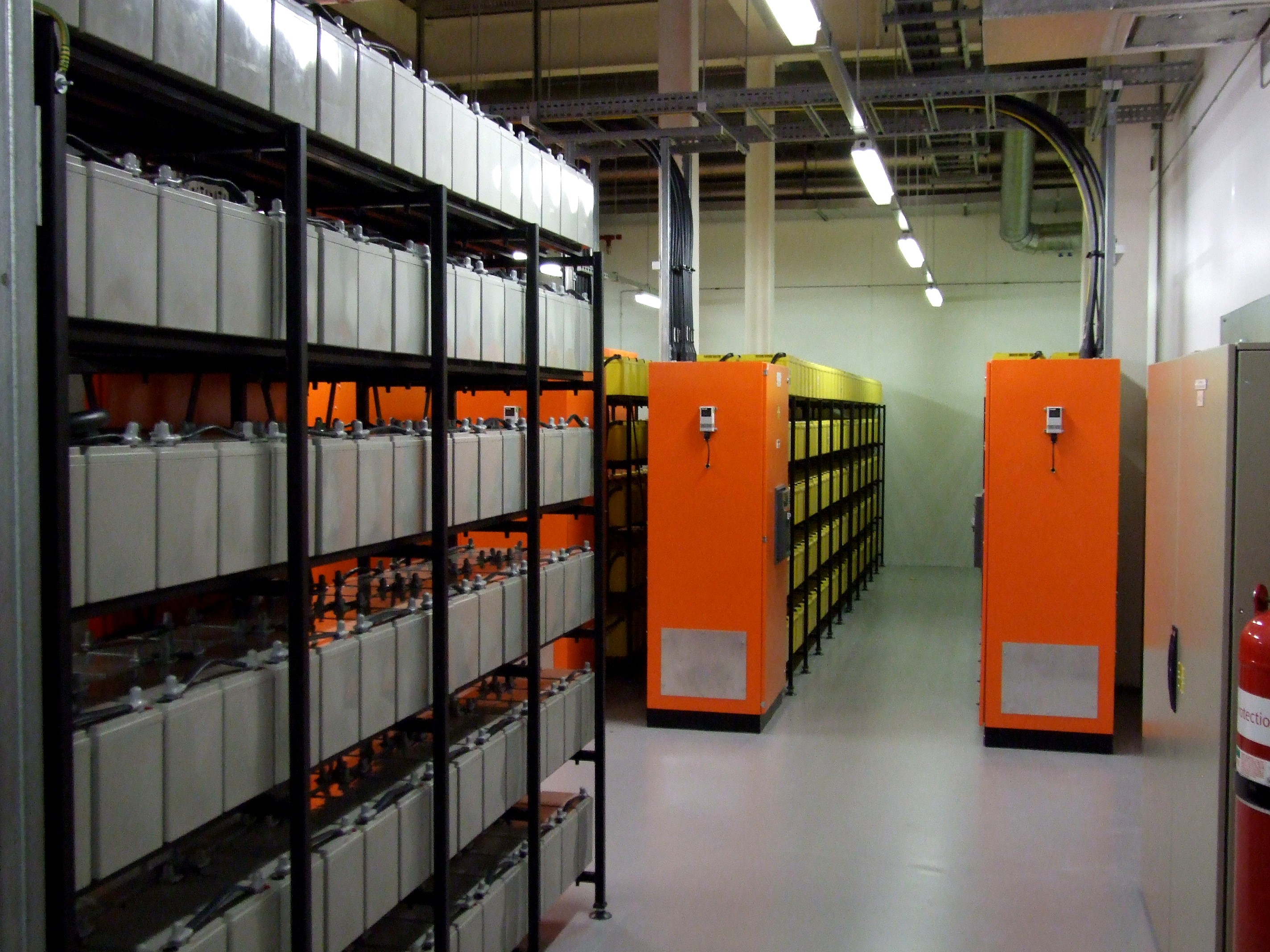
Uninterruptible power supplies may have internal batteries or batteries housed in separate cabinets. Each battery has a recommended design life, usually 5 years or 10 years.
Although these figures are optimistic as they are based on in-lab tests under ideal situations. Also, they don’t take into account the high usage of the UPS battery system caused by intermittent spikes, brown outs or voltage fluctuations.
These are absorbed by the batteries to protect your mission critical sensitive systems.
The battery may have an operating life expectancy of typically up to ten years (stated by the manufacturer). In reality, if not checked on a regular basis, it can, and will, fail. All it takes in a string of 32 block is for one battery to develop high impedance and then complete string will be useless, as the load will be unable to draw the current it requires, and as a result the load will be lost and your critical load will fall over. Remove the old batteries and fit new supplied batteries.
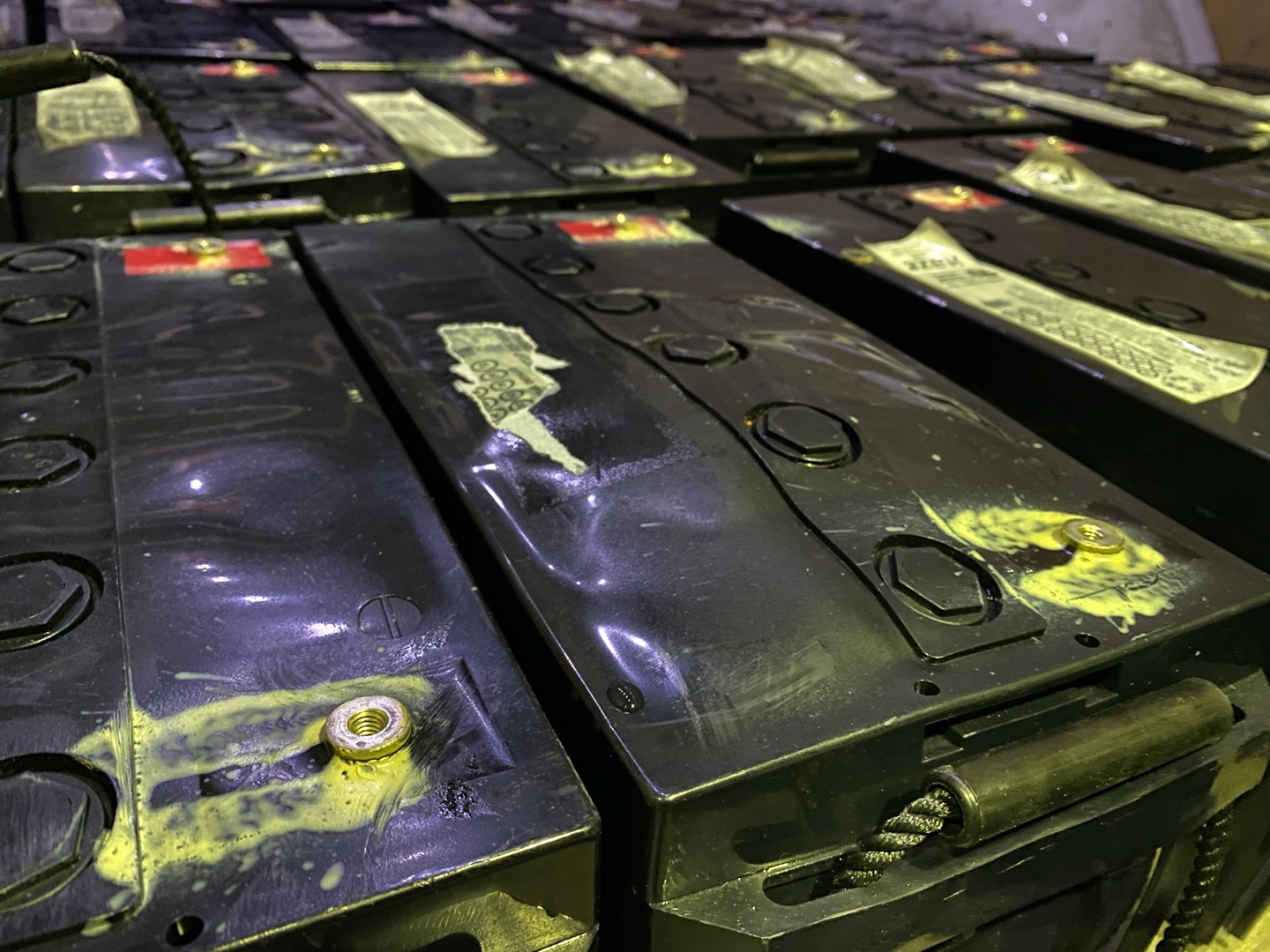
Of course split casing is the most obvious sign of battery leakage, caused by a failure within the sealed lead acid battery. Other issues of high impedance and open circuit are not so obvious and require regular checks.
There are a number of different types of battery construction. Loosely divided into to two common types- ‘wet cells’ and ‘valve regulated lead acid’ ( VRLA) batteries (often referred to as just ‘sealed lead acid batteries’).

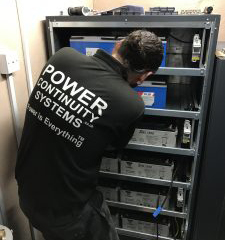
Wet Cell Batteries
Wet cell battery maintenance can be more time consuming. The trade off against increased life expectancy is the higher cost of maintenance. Likely, this is due to the necessity of taking specific gravity readings and ‘topping’ up the cell. A visual check of wet cell batteries needs to be undertaken on a more regular basis. Usually any noticeable drop in electrolyte level must be swiftly rectified.
VRLA Batteries
The VRLA ‘lead acid’ battery is more difficult to check, being a sealed battery. The most common method of testing, often built into most UPS systems’ equipment, is a battery self-test. Often carried out automatically on a weekly / monthly time cycle. If the test fails then the UPS system will generate an alarm. The major drawback is if the equipment is supporting a small load comparative to the capacity of the equipment, and therefore the battery will not be worked very hard and could prematurely fail.
The more reliable method for regularly testing a battery is either:-
1. By loading the battery to one third of its capacity and carrying out a capacity test.
2. Impedance testing -increasingly popular as it’s non-intrusive.
There are several methods of achieving the same result, but one method is to pass a known AC current through the battery and measure the AC voltage and thus, by using Ohms Law, calculate the battery impedance. Compare the results with the manufacturer’s recommended value. Keep records over a period of time to compare. Therefore allowing a replacement programme to be implemented when the battery impedance has reached a preset value.
However whichever method of battery testing you choose, regular battery maintenance is an integral part of any Uninterruptible Power Supply or Generator standby power protection system.