Why do batteries leak?
The page discusses battery leakage, particularly focusing on flooded lead acid and Valve Regulated Lead Acid (VRLA) batteries. Flooded lead acid batteries, containing liquid electrolyte, are susceptible to leakage due to mechanical damage and must be filled with electrolyte during manufacturing. In contrast, VRLA batteries are sealed, feature pressure relief valves, and typically do not require electrolyte addition. Leakage in VRLA batteries may occur only at the end of their lifespan, evident by swelling or distortion in the casing. Proper maintenance, including regular inspections and secure mounting, is essential to prevent leakage and extend battery life.
When referring to batteries leaking, this refers to flooded lead acid batteries. Whereas Valve Regulated Lead Acid batteries designed not to leak.
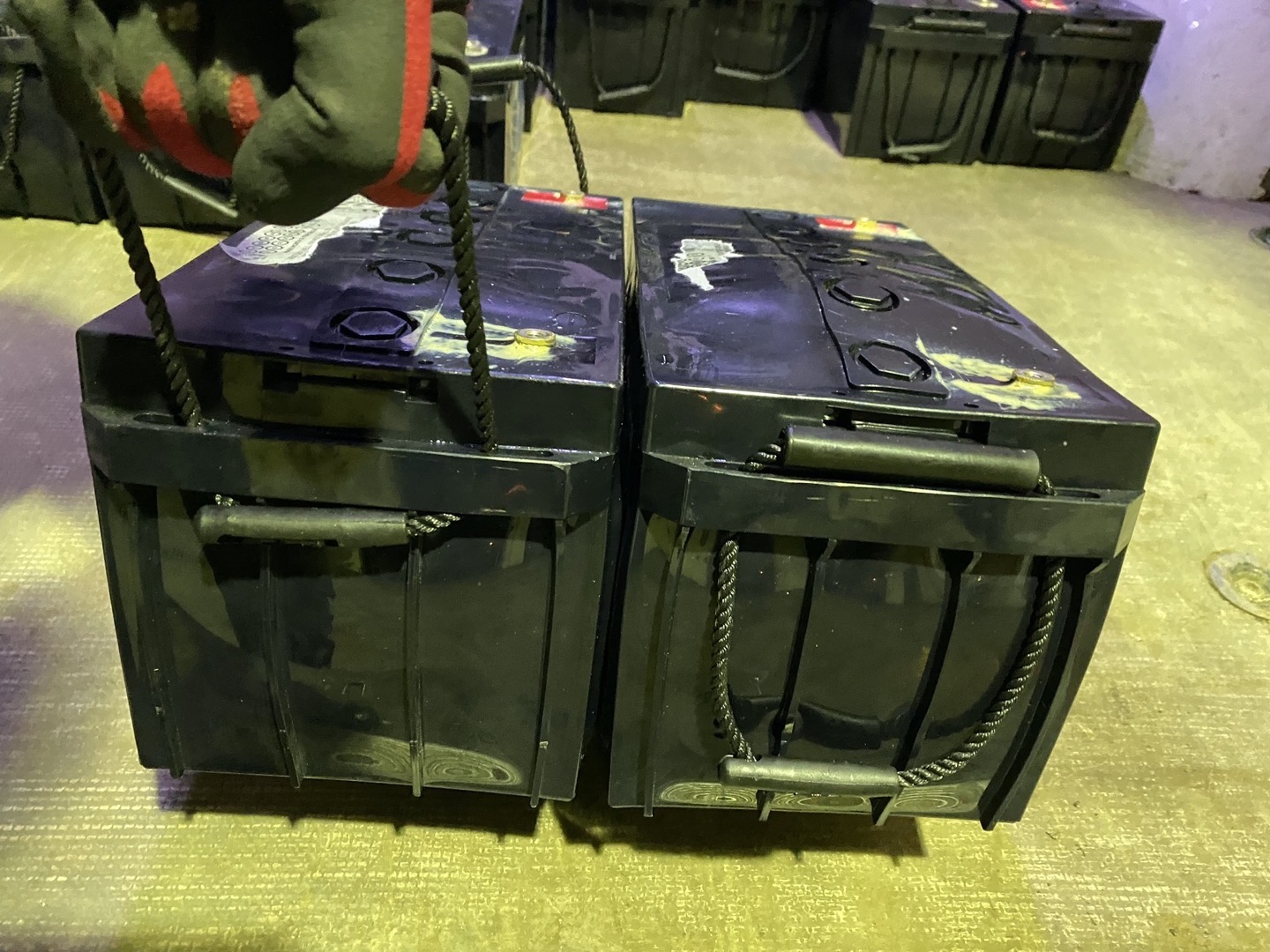
The only reason why a VRLA battery would leak is if the battery has reached the end of its life. Indications are swelling to the outer casing, causing the batteries to crack.
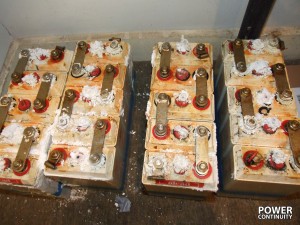
Flooded lead acid batteries contain a liquid electrolyte and must be filled with the appropriate electrolyte solution during the manufacturing process. This composition makes them more susceptible to leakage if the container is compromised. Mechanical damage to the battery container, such as cracks or punctures, can result in electrolyte leakage. This poses potential hazards to surrounding equipment and personnel safety.
In contrast, Valve Regulated Lead Acid (VRLA) batteries are sealed and do not require the addition of electrolyte solution during manufacturing. These batteries are equipped with pressure relief valves that allow gases to escape in the event of excess pressure buildup. This valve system ensures that the internal pressure remains within safe levels and minimises the risk of leakage.
However, it should be noted that VRLA batteries are not entirely immune to leakage. As these batteries approach the end of their useful life, internal degradation can occur, leading to gas buildup and potential leakage. Signs of swelling or distortion on the outer casing may indicate that the battery has surpassed its recommended lifespan.
To prevent leakage and ensure the longevity of VRLA batteries, it is crucial to adhere to proper maintenance practices. Regularly inspecting the batteries for any signs of damage, such as cracks or swelling, is vital. If any issues are detected, immediate battery replacement is recommended. Additionally, securely mounting the batteries within their racks lowers the risk of mechanical damage, reducing the potential for leakage.