Why build a substation away from rivers?
The importance of preventing substation flooding is critical to ensure a reliable electricity supply and avoid costly damage. Substations should be built away from flood-prone areas like streams and rivers to reduce risks of power loss and equipment damage from water exposure. Flooding presents significant threats by causing electrical short circuits and compromising vital components such as transformers. Substation planners must thoroughly analyze factors like historical flood patterns and potential changes in watercourses to select safe locations. When relocation isn't possible, robust flood mitigation measures such as flood walls and proper drainage systems are essential. Regular inspections and maintenance help identify vulnerabilities. Overall, proactive planning, site selection, and effective flood management are key to safeguarding substations and maintaining uninterrupted power supply.
The importance of preventing substation floodingcannot be overstated. When a substation is flooded, the risk of power loss and potential damage increases significantly. To circumvent this issue, it is crucial to establish substations in areas that are not susceptible to flooding, such as away from streams and rivers. In doing so, disruptive consequences can be averted, ensuring the smooth provision of electricity to consumers. Substations play a vital role in the efficient distribution of electricity from power plants to households, businesses, and industries. These facilities receive high-voltage electricity and transform it into lower voltages suitable for local consumption. Therefore, any disruption to substations can have widespread repercussions, affecting the lives of numerous individuals and the functioning of various important sectors.
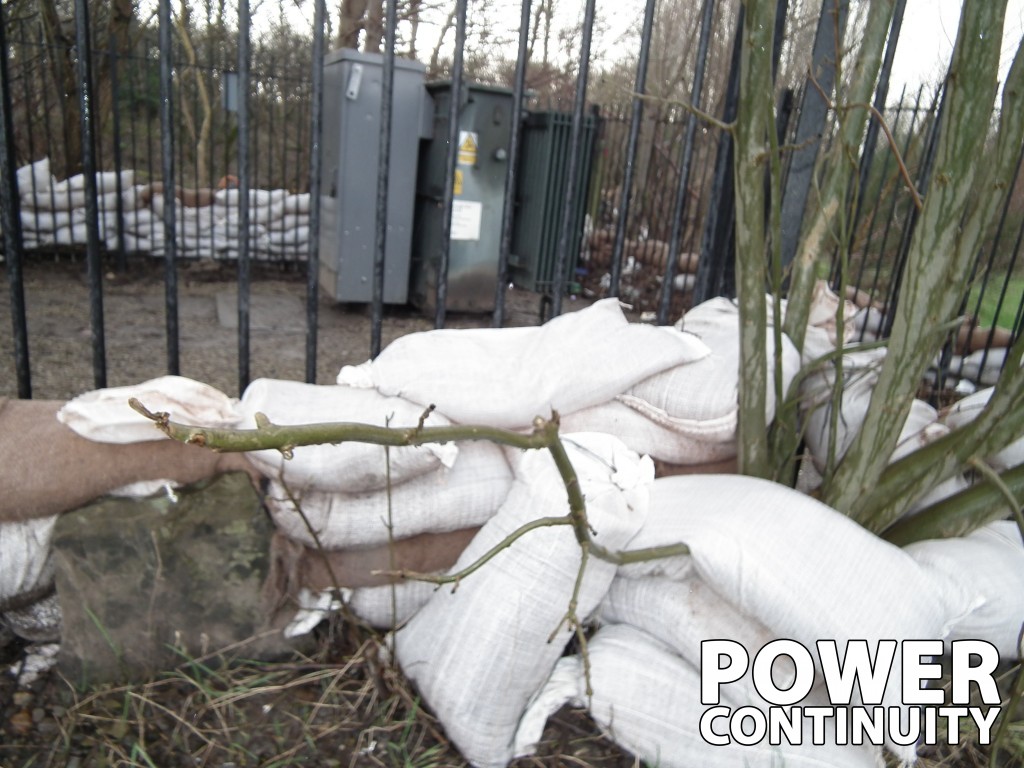
Flooding poses a significant threat to substations for several reasons. Firstly, water is a conductor of electricity, and when a substation is submerged, it creates an elevated risk of electrical short circuits or equipment damage due to live electrical components coming into contact with the water. Such incidents not only cause power outages but can also result in costly repairs and the need to replace essential equipment. Additionally, flooding can lead to the infiltration of water into critical components, including transformers and switchgear. These components are vital for the operation of substations, enabling the regulation and distribution of electricity. Water intrusion compromises their functionality and can render the entire substation inoperable. Consequently, efforts to prevent substation flooding are essential to safeguarding the reliable supply of electricity. The primary strategy for preventing substation flooding is to locate them away from water sources prone to overflowing. By carefully selecting the site for the substation, the risk of flooding can be minimised or eliminated. Substation planners and engineers consider various factors such as historical flood patterns, drainage systems, and topography to identify suitable locations.
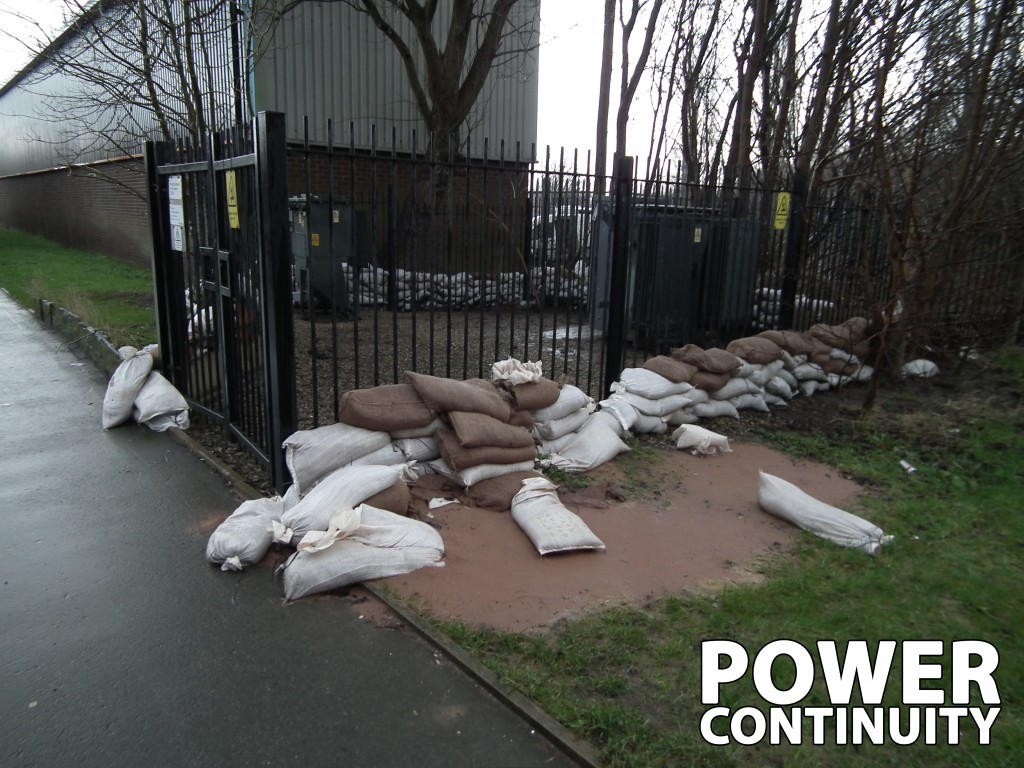
While it may seem straightforward to avoid placing substations near streams and rivers, it requires a thorough analysis to ensure their proper positioning. This analysis includes considering potential changes in watercourses, such as river redirection or dam construction, which might occur over the substation's lifespan. The goal is to anticipate any future developments and select a location that remains safe even in changing circumstances. Furthermore, it is essential to establish robust flood mitigation measures in areas where substations cannot be entirely relocated. These measures help protect the substation from flood-induced damage. They typically include the construction of flood walls, embankments, and other flood-resistant infrastructure. Such structures act as barriers, preventing water from infiltrating and minimising the risks associated with flooding. Another crucial aspect of flood prevention is maintaining proper drainage systems around substations. Ensuring effective stormwater management plays a significant role in minimising flood risks. Properly designed and maintained drainage systems can handle excess water, diverting it away from the substation and reducing the likelihood of flooding.
Regular inspections and maintenanceof substations are vital to identify and address any potential vulnerabilities that could lead to flooding. Checks should include inspecting drainage systems, flood protection features and the overall structural integrity of the substation. Early detection of any shortcomings allows for prompt repairs or adjustments to ensure the substation's flood resilience. In conclusion, preventing substation flooding is paramount to maintaining an uninterrupted power supply and avoiding costly damage. By carefully selecting suitable sites away from streams and rivers, the risks associated with flooding can be minimised. For areas where relocation is not feasible, implementing sturdy flood mitigation measures and maintaining robust drainage systems provide essential safeguards. Through proactive planning, regular inspections, and timely maintenance, substations can effectively mitigate the risks posed by flooding, ensuring a reliable electricity service for consumers and protecting vital infrastructure.