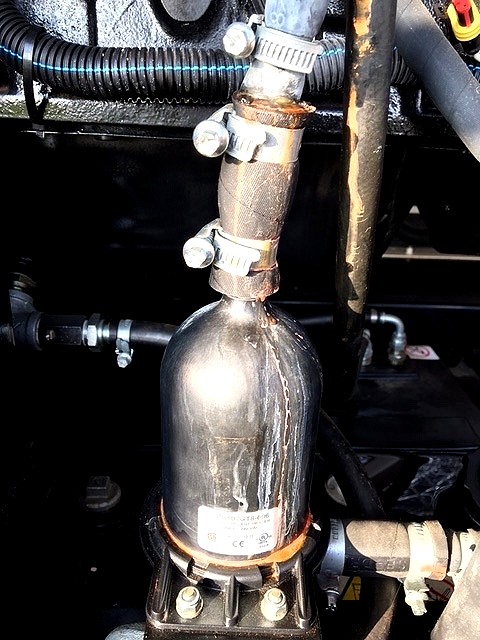
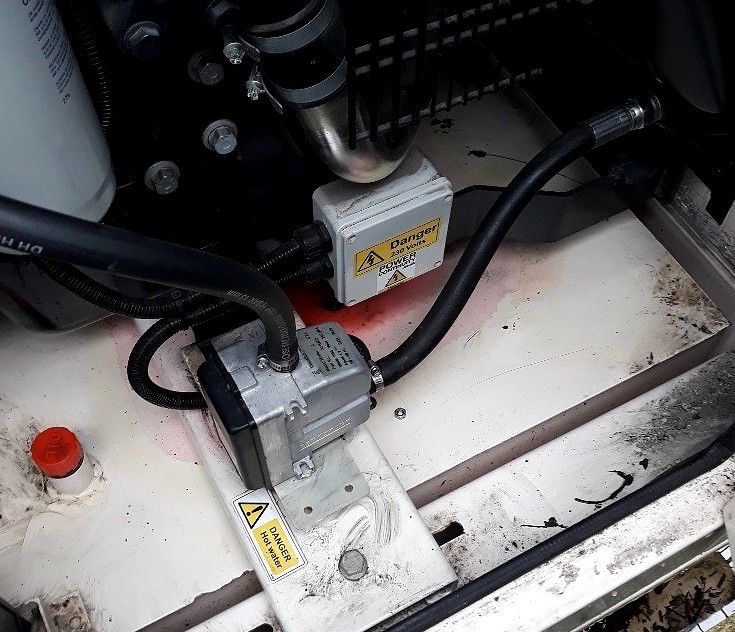
Why are coolant heaters important on diesel generators
The coolant heater, also known as the engine block heater or jacket heater, is crucial for diesel generators as it maintains the engine and fluids at an optimal temperature of 95-100°C. This temperature ensures the engine can start promptly without damage, especially in cold conditions. Key functions include preventing frost damage, reducing engine wear, and minimizing emissions. Regular checks are needed to confirm operational status; warm engine blocks indicate proper function, while cold or overly hot blocks signal potential failure. It's recommended to replace coolant heaters every five years to avoid failures and leaks, which can pose health and safety issues. Proper maintenance ensures the reliability and longevity of diesel generators.
Is the coolant heater important?
A Diesel Generator takes a lot of power to start up in an emergency power cut. For that reason, the engine block heater which is also called the coolant heater, thermostatically keeps the liquids inside the engine at an internal temperature of around 95-100C.
Why?
Because this is the optimum temperature needed to allow the engine to crank up from standstill. A failed coolant heater means the engine and the fluids will be at ambient or lower temperatures. This causes strain on the engine and in cold weather will prevent the generator to start.
What Does the coolant heater actually do?
1. Allows the engine and the engine fluids to remain at optimum operational internal temperature around 95C-100C.
2. Allows the diesel engine to crank up at a moment’s notice without damage to the engine block.
3. Prevents frost damage to the engine and hoses.
4. Prevents damage to the radiator.
5. Reduces engine wear.
6. Keeps the engine oil viscous.
7. A cold engine emits greater emissions that a warm engine- reduces emissions.
8. Less Stress on internal moving parts.
9. Coolant Heaters have a thermostat to keep the optimum temperature 24/7.
10. When not required they turn themselves off and on.
11. Vital component for every Diesel Generator to function.
Is a Jacket heater the same as a coolant heater?
YES. Numerous names for the same component.
• Coolant heaters.
• Jacket Heaters.
• Engine Block heaters.
• Engine pre-heaters.
All of the above are the same product
How to I know the coolant heater is operational?
As part of your weekly maintenance checks, we advise that you ‘touch’ the engine block. If the block is ‘warm’ then the coolant heater is operational.
How to I know the coolant heater is operating correctly?
- When you touch the engine block it should be pleasantly ‘warm’ to the touch.
- If the engine block is ‘cold’ to the touch, then the coolant heater has failed.
- If the engine block is ‘very hot’ to the touch, then the thermostat has failed.
- If there is a coolant leak then the coolant heater needs to be replaced.
- Ensure the coolant is topped up and never allowed to be at low levels.
- Check for any hose leaks.
Why and When do I need to replace the coolant heater?
- Every 5 years as a minimum.
- Coolant heaters are operational 24 hours a day and therefore have a finite life.
- Replace before they fail. Coolant heaters do FAIL.
- Also coolant leakage is an H&S issue as well as the first sign that the heater needs replacement.
- Engine Block Heaters are critical to all diesel generators.
- Coolant Heaters reduce the risk of water condensing in the engine sump.
- They are also a help to reduce wet stacking (although load banking is still required).
For more information visit the following links:-
https://powercontinuity.co.uk/knowledge-base/diesel-generator-cranks-but-wont-start
https://powercontinuity.co.uk/knowledge-base/generator-overheating
https://powercontinuity.co.uk/generator-maintenance
https://powercontinuity.co.uk/knowledge-base/generator-red-hot-glowing-turbo
power continuity coolant leaking in a diesel generator from Power Continuity on Vimeo
Playing in picture-in-picture

power continuity coolant leaking in a diesel generator
More options
More options
Like
Add to Watch Later
Share
Play
00:00
00:12
Settings
QualityAuto
SpeedNormal
Picture-in-PictureFullscreen