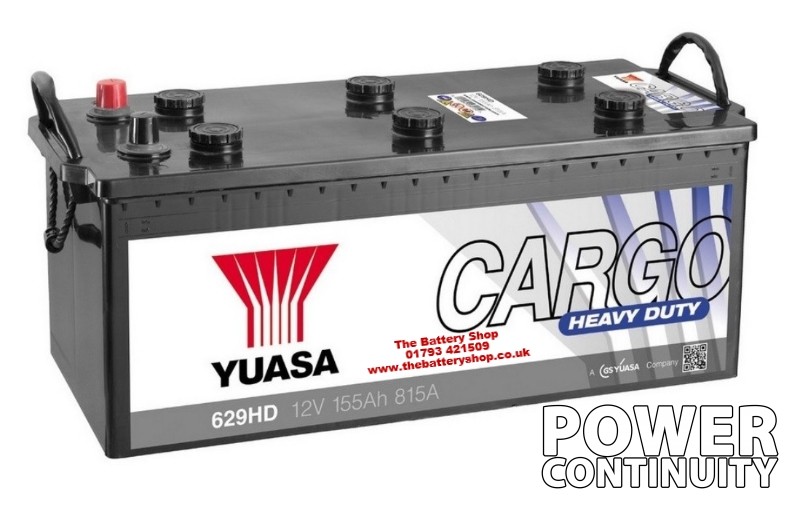
When to replace a generator battery - Knowledge Base.
Determining when to replace generator batteries is challenging due to their lifespan being affected by several factors, primarily frequent discharges during engine cranking which strain the battery. Temperature variations, both freezing in winter and high heat in summer, also adversely impact longevity by increasing internal resistance or accelerating deterioration, respectively. Signs of battery deterioration include reduced cranking power and an increased need for jump-starts. Generator batteries typically last 3-5 years, and regular inspections and load tests are recommended for assessing their condition. Proactively replacing batteries before failure is advisable for crucial applications to prevent unexpected downtime.
Accurately determining the appropriate time to replace generator batteries can be a challenging task. The lifespan of these batteries is highly dependent on various conditions and factors. Primarily, the frequent discharge of the battery during engine cranking significantly impacts its overall longevity.
Generator batteries play a crucial role in supplying power to the engine during the start up process. As the engine is repeatedly cranked over time, the battery experiences multiple discharge cycles. These discharge cycles, especially when the engine has difficulties starting, can place considerable strain on the battery, gradually reducing its capacity and performance. In addition to repeated discharges, the batteries are also subjected to extreme temperature variations throughout the year. Freezing temperatures in winter and soaring heat nearing 40 degrees Celsius in summer can adversely affect the battery's lifespan. Cold weather, in particular, poses challenges as it hampers the battery's chemical reactions, impeding its ability to deliver a consistent and reliable power supply.
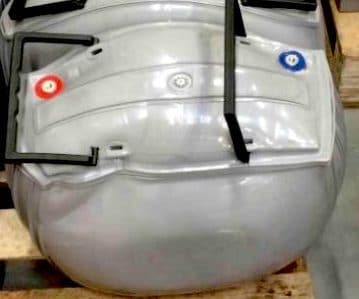
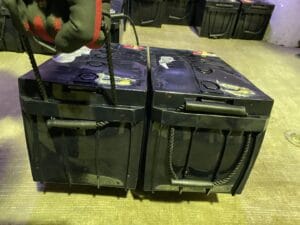
During freezing temperatures, the battery's internal resistance increases, making it more challenging for the engine to start. This increased resistance decreases the battery's capacity to provide a sufficient electrical charge, reducing its effectiveness. Similarly, scorching summer temperatures can accelerate the battery's chemical reactions, causing it to deteriorate and lose capacity at an accelerated rate. Steps in determining when to replace generator batteries. Regular inspection, especially during extreme temperature conditions, is essential to identify signs of battery degradation. Key indicators of battery deterioration include reduced cranking power, difficulty in starting the engine, or an increased need for jump-starts.
It is advisable to keep a close eye on the age of the battery as well. Typically, generator batteries have a lifespan of around three to five years. However, this timeframe can vary depending on the brand, quality, and usage patterns. Keeping track of the battery's age and usage history can provide valuable insights into when a replacement may be necessary.
To accurately assess the condition of the battery, it is recommended to conduct regular battery load tests. These tests measure the battery's ability to maintain a specified load over a specific period, providing a clear indication of its overall health and capacity. Load tests can be performed using specialised equipment or with the assistance of a professional technician.
In some cases, it may be beneficial to proactively replace the battery before it fails. This approach is particularly relevant for generator applications where uninterrupted power supply is crucial, such as in emergency situations. By proactively replacing the battery, the risk of unexpected failures and downtime can be significantly reduced.