What is wet stacking?
Wet stacking occurs in diesel generators due to incomplete fuel combustion, leading to a buildup of unburnt residue in the exhaust system, particularly when the generator operates at low capacity. This condition can reduce engine performance, increase fuel consumption, and ultimately cause damage by forming carbon deposits. Symptoms include black ooze around exhaust pipes and continual black exhaust. To avoid wet stacking, it is essential to run the generator at least 75% of its maximum load to reach optimal operating temperatures. If wet stacking occurs, on-load tests can help burn off unburnt fuel, but persistent cases may require an engine overhaul. External load banks can assist when the generator capacity exceeds building loads, ensuring optimal performance and preventing wet stacking.
What is Wet Stacking?
Wet stacking in diesel generators is a condition that can occur, affecting not only generators but all engines powered by diesel fuel. It is characterised by incomplete fuel combustion, resulting in the accumulation of unburnt residue in the exhaust side of the turbocharger and exhaust system. This phenomenon arises when the engine operates at a low proportion of its total capacity, impeding the complete combustion of fuel. The unburnt residue consists of fuel particles that have not undergone the combustion process and are subsequently expelled through the exhaust system.
When Wet Stacking is Left Unchecked
Wet stacking poses several concerns for the engine's performance and longevity. The accumulation of unburnt residue in the exhaust system can negatively impact the turbocharger's efficiency, leading to reduced engine power output and increased fuel consumption. Additionally, the unburnt residue can contribute to the formation of carbon deposits in the exhaust system, potentially causing issues such as reduced exhaust flow and increased back pressure. To counter wet stacking, it is crucial to operate the diesel engine under suitable conditions.
PCS Load banking from Power Continuity Ltd on Vimeo

Playing in picture-in-picture
Play
Picture-in-Picture
Load Banking On Site Test by Power Continuity Ltd from Power Continuity Ltd on Vimeo

Playing in picture-in-picture
Play
Picture-in-Picture
Symptoms of Wet Stacking
The symptoms of wet stacking are generally a black ooze around exhaust pipe connections and around the turbo, along with continuous black exhaust from the stack when under a constant load.
A diesel engine requires exactly the right air-to-fuel ratio, to sustain the operational temperature it was designed to run at, for a complete burn of the fuel.
When a diesel generator only has light loads, it’s not able to reach the correct operating temperature. meaning not all the fuel is combusted. This in turn, leads to wet stacking. Over time permanent damage can occur as the deposits erode the engine surfaces.
Additionally, the piston rings do not get to their designed temperature. Causing unburned fuel and gases to escape into the oil pan. This dilutes the lubricating properties of the oil. Thereby leading to premature engine wear. Run the generator on load to avoid wet stacking. With at least 75% of maximum load capacity. Reach optimal running temperature by doing an onload test using the building load, or using an external load bank. If wet stacking has already occurred but it is at its early stages, carrying out the same should burn off the unburnt fuel and solve the problem. If wet stacking has occurred for some time, it might be necessary to carry out an engine rehaul to resolve.
How to avoid Wet Stacking
To prevent wet stacking, it is crucial to ensure that the generator is operated under a load. Running the generator with at least 75% of its maximum load capacity is recommended to avoid wet stacking. This load requirement ensures that the generator reaches and maintains its optimal running temperature. You can achieve this by performing an on load test using the building load or utilising an external load bank. If wet stacking has already occurred, conducting an on-load test can help burn off the unburnt fuel, ultimately resolving the issue. The test involves running the generator with a suitable load that facilitates complete combustion. However, if wet stacking has persisted for an extended period, it may be necessary to carry out an engine rehaul to rectify the problem.
White smoke Diesel generator by Power Continuity from Power Continuity Ltd on Vimeo

Playing in picture-in-picture
Play
Settings
QualityAuto
Picture-in-Picture
Load Banking to Prevent Wet Stacking
In some cases, the generator capacity installed on-site may exceed the peak building load by a significant margin, even double the load requirement. This deliberate oversizing is done to ensure that the generator can handle the entire load immediately in the event of a power cut, eliminating the need for load shedding. Consequently, the building load alone may not be sufficient to effectively load bank the generator. In such instances, an external load bank is utilised to allow the generator to operate at its full capacity. Running the generator with a load bank not only prevents wet stacking but also instills confidence in its ability to perform at maximum load. Using an external load bank provides an accurate and controlled method of applying load to the generator. This ensures optimal performance and eliminates the risk of wet stacking.
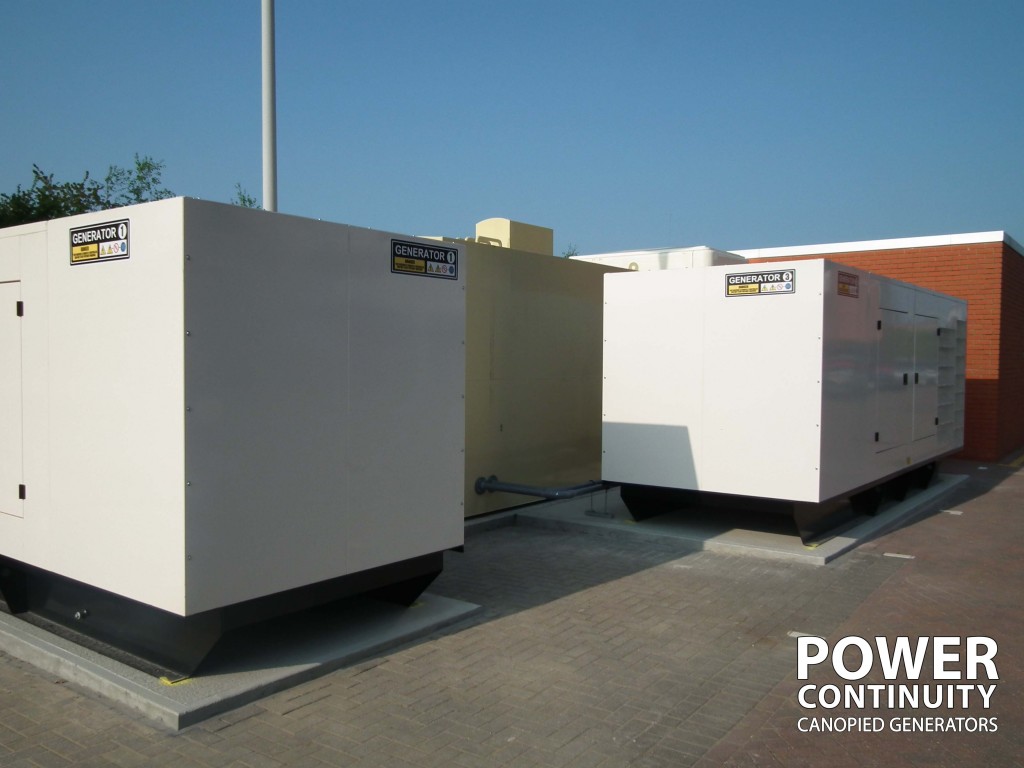
Additionally, by running the generator at its full load capacity, you can assess its overall capability, reliability, and efficiency. In conclusion, wet stacking is a condition that occurs when fuel is not fully burned in diesel engines. Preventing wet stacking requires running the generator under sufficient load, typically at least 75% of its maximum capacity. Performing regular on load tests or utilising an external load bank can avoid wet stacking or resolve existing issues. In cases where the generator capacity exceeds the building load, an external load bank becomes necessary to fully utilise the generator's capabilities. By adhering to these practices, you can prevent wet stacking, ensure optimal generator performance, and have confidence in its ability to operate at full load capacity.
If you’re experiencing Wet Stacking Call us on 0845 055 8455
We’re here to help!