What is Grid Energy Storage?
Grid energy storage refers to large-scale methods of storing electricity within an electrical power grid. As the percentage of electricity generated from renewable sources increases, maintaining a stable supply becomes critical. Fluctuations in renewable energy generation, such as sudden cloud cover or wind stillness, can lead to short-term shortages, especially during peak demand periods. Grid energy storage solutions serve as buffers, providing additional short-term capacity while long-term sources like diesel generators and gas power stations ramp up. This balance ensures continuous electricity supply, particularly during times when renewable generation is low.
© Dynamic Demand
Grid energy storage are energy storage methods on a large scale within an electrical power grid.
The percentage of electricity generated from renewables is increasing.
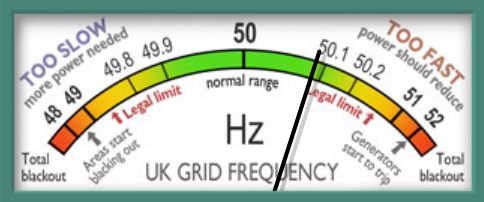
The lack of supply from these sources, can pose a threat to the continuity of supply to homes and businesses. To ensure a constant supply (including a frequency of 50 Hertz) it is necessary to finely balance the energy supply and demand. A short term shortage occurs if the sun suddenly goes behind the clouds, or the wind stops blowing. Creating a real energy crunch, when coupled with regular early evening surge in demand.
Nevertheless, Grid energy storage solutions are becoming more and more common. Effectively acting as a buffer. Providing a short term additional capacity, whilst longer term energy sources (e.g. STOR diesel generators and gas power stations) come online. To keep the grid operational, electricity has to be stored for times when demand exceeds supply. Demand is sometimes greatest when the wind isn’t blowing or the sun isn’t shining.
© Dynamic Demand