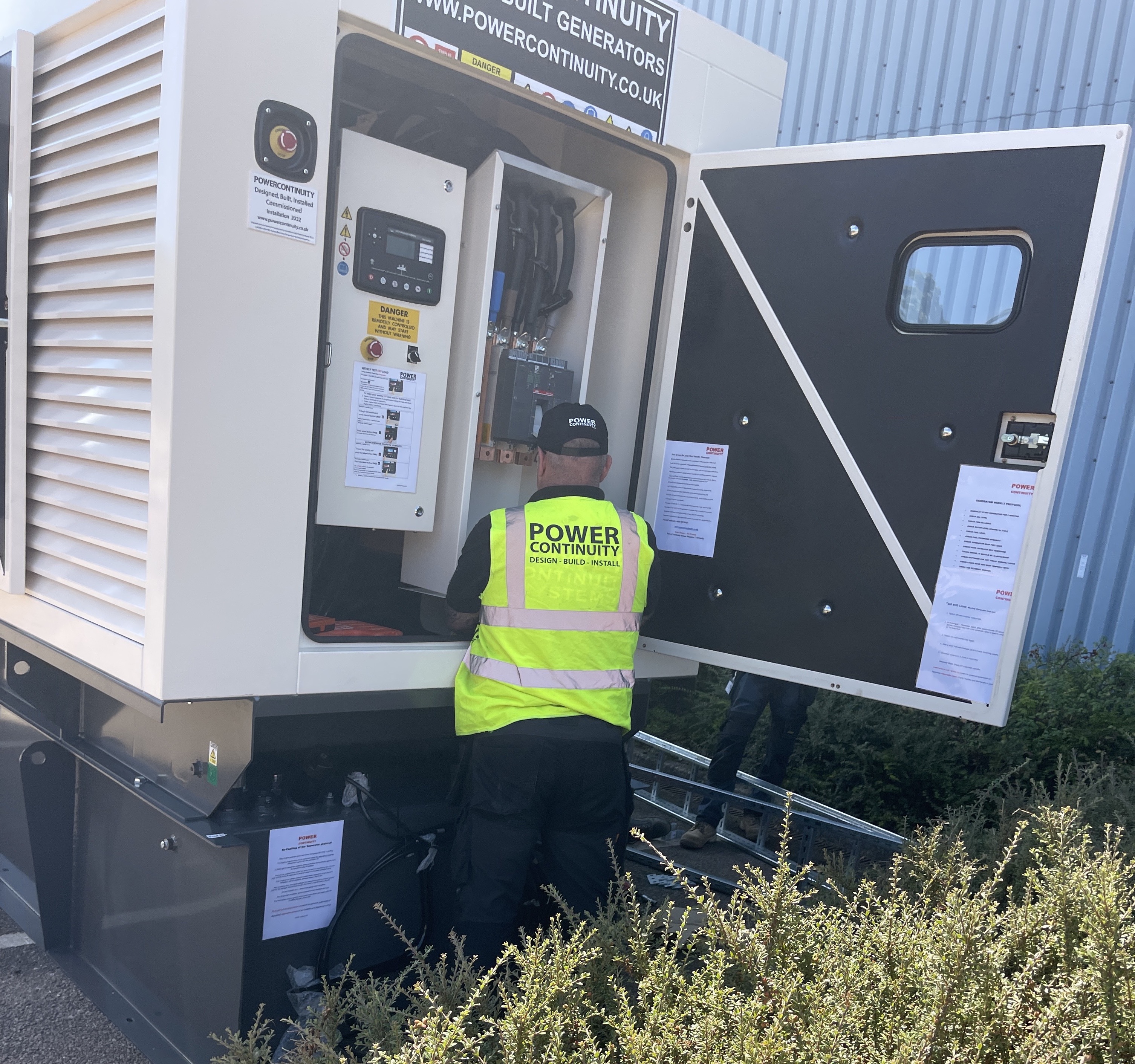
What is an Onload Test?
An onload test is an essential testing method for generators, utilizing the building's load rather than running without it. This test is performed alongside a black building test to simulate power outages, ensuring the generator's automatic start and effective changeover from mains to generator power. Key objectives include assessing generator functionality, efficiency, and capacity to meet electrical demands, particularly crucial for facilities like hospitals and data centers. Regular tests, ideally monthly, help maintain optimal operation, requiring careful planning, qualified personnel, and strict safety measures. Performance metrics include load handling, voltage stability, fuel consumption, and temperature monitoring. Documentation and analysis of test results are vital for identifying performance issues and ensuring reliability. Proactive maintenance can prevent unexpected failures, making regular onload testing crucial for dependable backup power.
An Onload test is a crucial method of testing a generator that involves using the load of your building, instead of running the generator without any load. This test is conducted simultaneously with a black building test, which is designed to simulate a power cut and ensure the generator starts automatically. During the test, the changeover panel automatically switches from mains supply to generator supply, ensuring a seamless transition of power.The primary purpose of an onload test is to verify the functionality and reliability of the generator under real working conditions. By running the generator with the building load, you can evaluate its performance, efficiency, and capacity to handle the electrical demands of the facility. This test is particularly important for facilities that rely heavily on continuous power supply, such as hospitals, data centers, and critical infrastructure. Performing an onload test on a regular basis is essential to maintain the optimal operation of the generator. While the frequency of the test may vary depending on the specific requirements of your facility, it is generally recommended to conduct the test once a month, with a minimum of at least two tests per year.
The process of conducting an onload test involves several key steps. Firstly, the building load is intentionally disconnected from the mains supply to simulate a power outage. This triggers the automatic start sequence of the generator. The changeover panel, an essential component of the backup power system, then switches from the mains supply to the generator supply, ensuring an uninterrupted power supply.
IMG_0265 (Copy) from Power Continuity Ltd on Vimeo

Playing in picture-in-picture
Play
Settings
QualityAuto
Picture-in-Picture
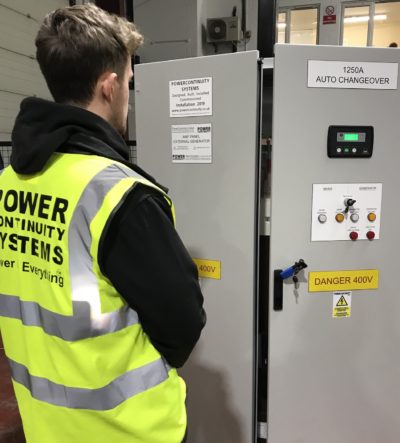
During the onload test, various aspects of the generator's performance are evaluated. These parameters include its ability to handle the load, maintain voltage stability, and sustain a consistent frequency. Additionally, other important parameters such as fuel consumption, engine temperature, and oil pressure may also be measured to ensure that the generator is operating within acceptable limits. Conducting an onload test requires careful planning and organisation. It is essential to appoint qualified personnel who possess the necessary knowledge and experience in operating and maintaining generators. These personnel should be familiar with the specific model of generator being used and should understand the operation of the changeover panel and other relevant components.
Safety considerations should be given top priority during the onload test. All necessary precautions, such as proper grounding, ventilation, and protection from electrical hazards, must be in place. It is essential to follow recommended procedures and guidelines provided by the generator manufacturer and relevant electrical standards organisations.
The personnel responsible for conducting the test should closely monitor the generator's performance throughout the duration of the test. This includes observing its ability to handle the load, ensuring voltage stability, and maintaining a consistent frequency. Additionally, the measurement of parameters such as fuel consumption, engine temperature, and oil pressure is critical in identifying any abnormalities or deviations from expected performance.
Documentation plays a vital role in the onload testing process. Proper record-keeping allows for the effective tracking and analysis of test results. The results of each test should be carefully recorded, including details such as the load applied, the time taken for the generator to start, and any observed fluctuations in voltage or frequency during the test. This information can be invaluable in assessing the overall health and reliability of the generator system.
The results of the onload test should be analysed and thoroughly reviewed to identify any issues, anomalies, or deviations from expected performance. If there are any observed abnormalities or problems during the test, these should be promptly addressed by competent technicians or service providers. Regular review of the onload test records can provide valuable insights into the overall health and reliability of the generator system. By monitoring trends and patterns in the test results, potential issues or maintenance requirements can be identified in advance, allowing for proactive measures to be taken. This proactive approach helps to minimize the risk of unexpected generator failures and ensures that the backup power system is ready to perform when needed.In conclusion, the onload test is a crucial procedure for assessing the performance and reliability of a generator under realistic working conditions. It involves running the generator with the building load while simultaneously conducting a black building test to simulate a power cut. Regular testing, at least twice a year or as per operational requirements, helps identify any issues and ensures the generator is functioning optimally. Proper planning, qualified personnel, and meticulous record-keeping are essential for conducting a successful and meaningful onload test. This procedure ensures that the generator system is dependable and ready to provide uninterrupted power supply during times of need.