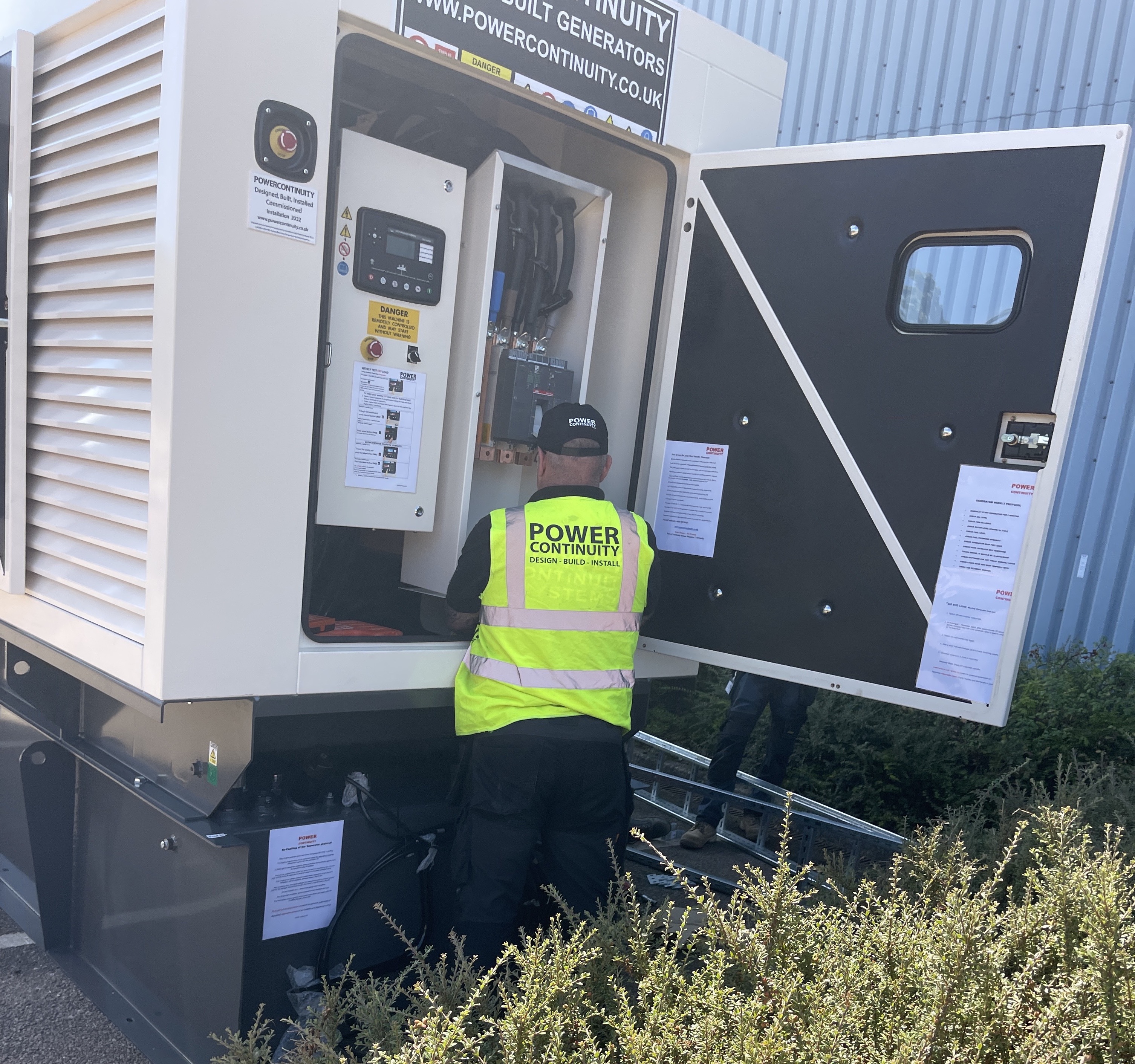
What is an AMF Panel? How do they work?
Automatic Mains Failure (AMF) panels are integral to diesel generators, managing transitions between mains power and backup generators during outages. They automatically activate the generator when power is lost or falls below set levels, ensuring continuous power supply to critical systems. After power is restored, they switch back to the mains supply and safely shut down the generator after a cool-down period. Regular servicing of AMF panels is vital for optimal performance, including functionality verification, preventive maintenance, calibration, enhanced system efficiency, and compliance with safety regulations. This maintenance helps avert failures in critical operations, ensuring reliable power supply.
How does an AMF work and why are they important to any generator system.
Diesel Generators are the most common way of providing emergency power for critical systems.
WHAT IS AN AMF PANEL? HOW DO THEY WORK?
Automatic Mains Failure (AMF) panels, also known as Automatic Transfer Switches, play a crucial role in automatic generator installations. These panels are responsible for controlling the operational functions of the power supply, ensuring seamless transitions between the mains power supply and the generator during power cuts or fluctuations. Understanding how AMF panels operate and their significance is essential for maintaining their effectiveness and ensuring reliable power supply. Additionally, regular servicing is crucial to keep these panels in optimal working condition. In this article, we will explore the working principles of AMF panels and highlight the importance of their maintenance.
Automatic Mains Failure (AMF) Panels – How they work
AMF panels are designed to provide uninterrupted power supply by automatically switching from the mains power source to a backup generator in the event of a power cut or when the mains power is outside the defined tolerance levels. These panels are a vital component of automatic generator installations and are responsible for ensuring uninterrupted power supply to critical systems and equipment. When a power cut occurs or the mains power fluctuates beyond preset tolerances, the AMF panel detects this change and sends a start signal to the connected generator. The generator then activates and prepares to support the load. The motorised switches and contractors within the AMF panel facilitate the seamless transfer of the building load from the mains supply to the generator. This automatic switching ensures that essential services and equipment continue to receive uninterrupted power supply.
VIDEO - HOW DOES AN AMF WORK?
How does an AMF work from Power Continuity Ltd on Vimeo

Playing in picture-in-picture
More options
Play
Picture-in-Picture
Once the mains grid supply is restored or stabilises, the AMF panel initiates the reverse sequence. It switches the building load back to the mains supply and, following a predetermined cool-down process, stops the generator. This cool-down period, known as the "run on" time, typically lasts around five minutes and allows the generator to safely shut down.The AMF panel's ability to manage the automatic transfer of power and safeguard critical systems makes it an indispensable component in backup power systems. It ensures that power outages or fluctuations in the mains power supply do not disrupt essential operations, protecting businesses, facilities, and equipment from potential damages or interruptions.
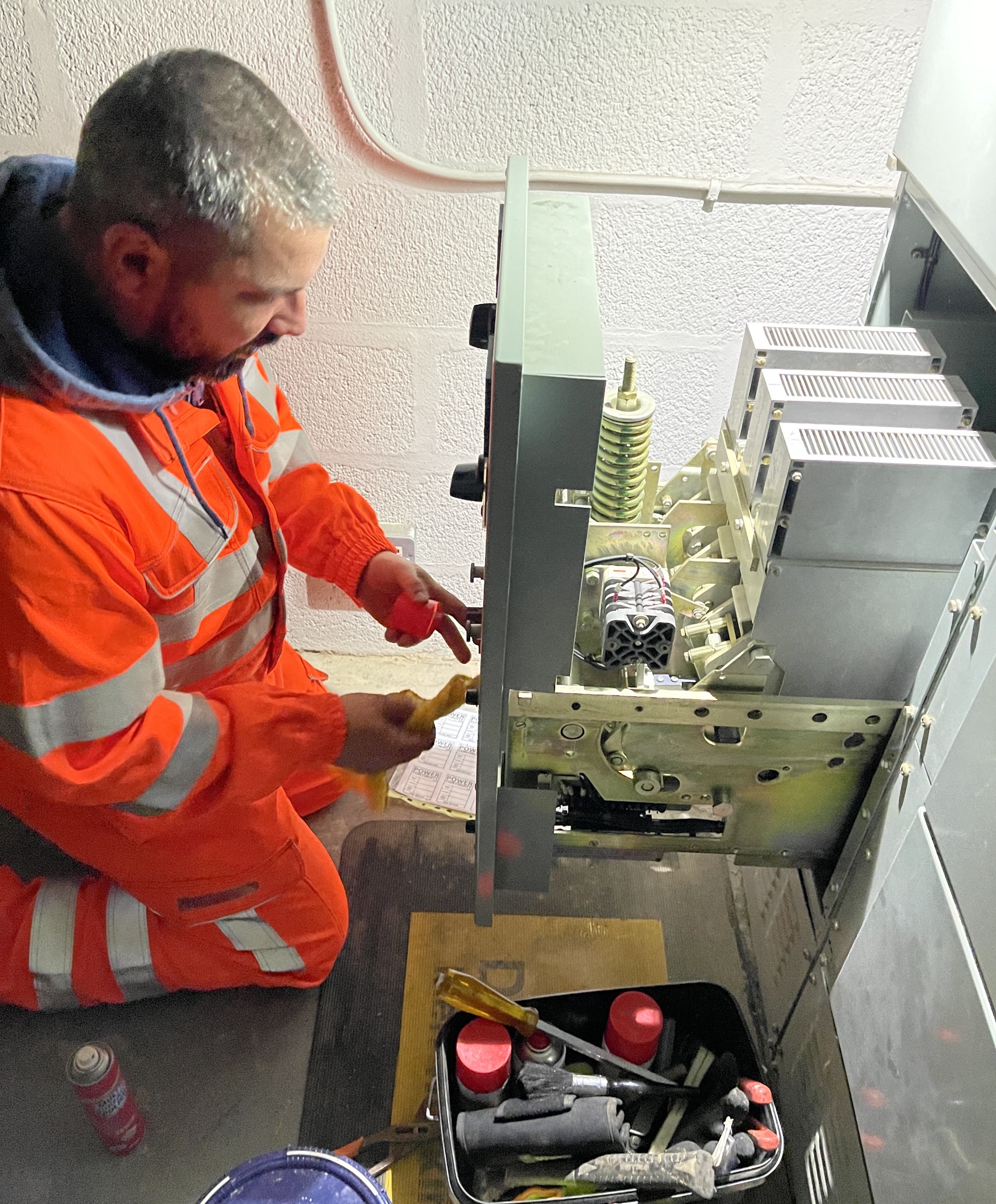
The Importance of Regular Servicing for AMF Panels
To ensure the optimal performance and reliability of AMF panels, regular servicing is paramount. Routine maintenance not only extends the lifespan of these panels but also minimises the risk of failures during critical operations. Here are some key reasons why regular servicing is crucial for AMF panels:
Verification of functionality: Servicing includes comprehensive testing of the AMF panel to verify its proper operation. This involves checking the internal components, wires, connections, and control mechanisms to ensure they function as intended. Any abnormalities or potential issues can be identified and addressed during the servicing process.
Preventive maintenance:Regular servicing allows for the detection of wear and tear, loose connections, or degraded components that may impact the performance of the AMF panel. Replacing worn-out parts or repairing faulty components in a timely manner helps prevent potential malfunctions or failures in critical situations.
Calibration and fine-tuning: Over time, the settings and parameters of the AMF panel may require adjustment to align with specific site conditions or changing power requirements. During servicing, technicians can calibrate the panel, fine-tune its operation, and ensure it aligns with the current needs of the facility.
System efficiency: Regular servicing optimises the efficiency of the AMF panel by ensuring that electrical connections are clean, tight, and free from corrosion. This improves the power transfer process, reduces resistance, and minimises energy losses, resulting in more efficient operation and reduced operating costs.
Compliance and safety: Adherence to regulatory compliance and safety requirements is essential for any electrical system, including AMF panels. Regular servicing ensures that the panel meets the necessary standards, helping to mitigate potential safety hazards and ensuring overall system compliance.
Regular servicing is crucial for AMF panels to maintain their reliability and ensure uninterrupted power supply during critical situations. By adhering to a scheduled maintenance plan, businesses can avoid unexpected failures, optimise operational efficiency, and ensure their AMF panels continue to function effectively over the long term.