What Damage Low Oil Pressure Causes on Diesel Generators?
Oil is crucial for generator operation, serving as the engine's lifeblood by cooling and lubricating internal parts. Low oil levels can trigger a low-pressure warning and result in engine noise and inefficiency. If the oil pressure drops significantly, severe damage may occur, leading to worn components and overheating. Increased friction from insufficient oil accelerates wear and can lead to costly repairs. Regular oil level checks are essential to prevent these issues, and users are encouraged to incorporate this check into their routine inspections.
Oil is one of the cheapest components of a generator – but also one of the most important. It is the lifeblood of the engine, cooling and lubricating the internal moving components and keeping everything running smoothly.
When the quantity of oil in the system decreases below the recommended level, your generator should display a low-pressure warning. You may also notice that the engine has become noisier and less efficient. But if the oil pressure drops severely and the generator is allowed to keep running, then your engine will suffer severe damage. To highlight the seriousness of this, let’s consider some of the ways that low oil pressure can damage your generator.
Worn components
As a matter of fact, without the lubricating effect of the oil, the internal parts will not move together smoothly. This increased friction will cause wear much more quickly than normal. Subsequently a loss in both time and money to replace. Repair bills running into many thousands of pounds.
Overheating
The increase in friction caused by a lack of oil will naturally generate heat. Overheating can cause components to fail quickly, and suddenly your company’s power protection is gone.
Others???
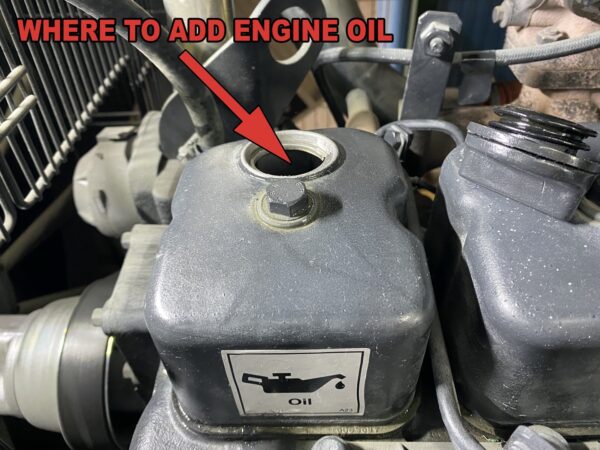
In view of these potentially severe consequences of low oil pressure, the need to regularly check your generator’s oil level is very clear. Don’t wait for your service engineer’s next visit, ensure that an oil level check is part of your weekly generator inspection routine.