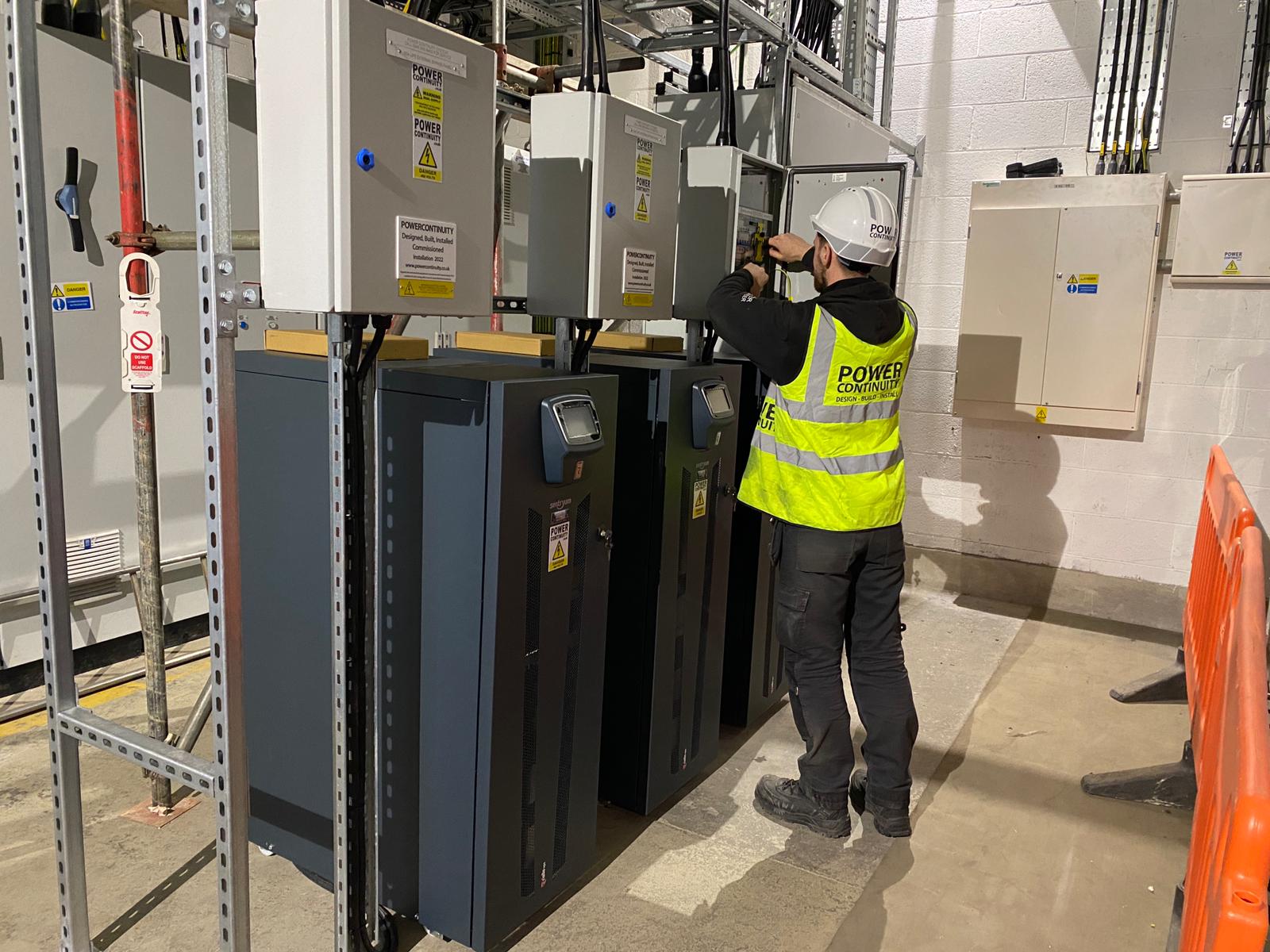
What are UPS Electrical Installations?
Installing a UPS system requires qualified contractors to ensure safety and compliance with electrical regulations. It's crucial to consult the UPS supplier for installation assistance or contractor recommendations. Verifying the credentials and references of installation staff is essential. Adhering to the supplier's guidelines and local regulations minimizes risks and promotes effective performance. For larger UPS installations, careful planning regarding switchgear and cabling is advised. Use integrated switchgear to streamline the installation process. Proper design allows for scalability and efficient connections.
Installing a UPS, or protected power system, requires expertise and should only be carried out by qualified and experienced electrical contractors. This specialised task should never be attempted by untrained individuals. It is crucial to ensure the safety and reliability of the installation. When considering the installation of a UPS, it is recommended to contact the supplier of the equipment. The UPS supplier should have the necessary knowledge and skills to undertake the installation or, alternatively, provide a list of suitable contractors who are capable of performing the task. It is essential to request references from these contractors to assess the quality of their previous installations. Hiring a professional contractor for UPS installation not only guarantees that the job is done correctly but also ensures compliance with electrical regulations and standards. Experienced contractors have the necessary expertise to assess the electrical requirements of the premises, consider factors like load capacity, and determine the optimal placement and configuration of the UPS system.Furthermore, professional electrical contractors are equipped with the appropriate tools and equipment to complete the installation efficiently and safely. They are proficient in handling electrical connections and wiring, minimising the risk of electrical hazards or potential damage to the UPS equipment.
UPS Installations by Power Continuity from Power Continuity Ltd on Vimeo

Playing in picture-in-picture
Play
Settings
QualityAuto
Picture-in-Picture
Furthermore, take the time to:
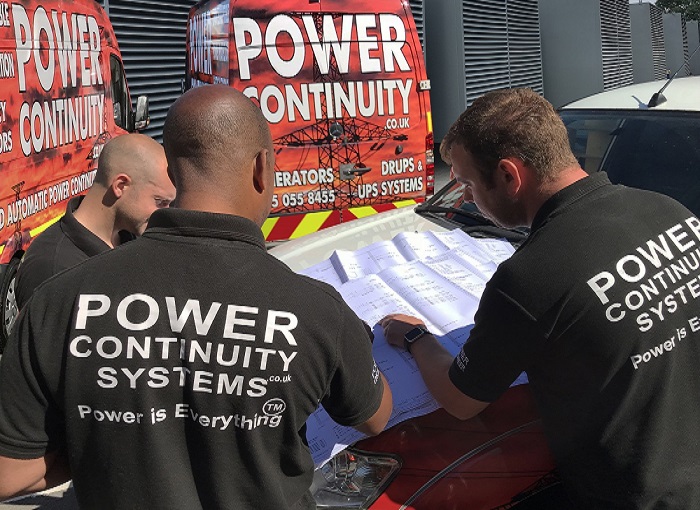
Before proceeding with the installation, it is vital to conduct thorough checks on the credentials of the staff who will be responsible for installing the equipment. Ensure that they are qualified, experienced, and possess the necessary certifications to handle such tasks. Verifying their expertise will help guarantee a smooth and successful installation process.
It is advisable to make contact with the supplier and inquire about their previous installations. By doing so, you can obtain references for their work and gain insights into their reliability and expertise. Engage in discussions with staff members at other sites where the supplier has conducted installations. This will provide valuable feedback and help assess the quality of their workmanship.
During the installation, it is crucial to adhere strictly to the supplier's instructions. Following these guidelines meticulously will minimize the chances of errors or complications during the process. Any deviation from the instructions may compromise the performance and safety of the installed equipment.
Additionally, it is essential to comply with both local and national electrical installation regulations. Familiarise yourself with these regulations and ensure that the installation adheres to all the necessary guidelines and standards. Failure to comply may result in potential safety hazards, legal consequences, or even damage to the equipment itself.
By prioritising the credentials of the installation staff, investigating previous installations, adhering to the supplier's instructions, and complying with electrical regulations, you can ensure a smooth and reliable installation process. Doing so will provide peace of mind and assurance that the equipment will be installed safely and in accordance with industry standards.
Installation Design
Small and medium sized UPS equipment will probably require very little installation work and minimal changes to the existing electrical wiring. However, if larger, high-power UPS equipment is being installed, carefully consider the switchgear and cabling arrangements. Above all, careful planning the electrical installations will save on time and costs. Allow for possible business growth and the addition of extra UPS Modules.
Using an integrated switchgear and busbar solution, certainly makes the installation process for a modern parallel system much simpler by:
- Firstly, providing a single point of entry for the incoming mains supply.
- A single point of entry for the bypass mains supply.
- A fully interlocked maintenance (or wrap-around) bypass circuit.
- Certainly fit correctly sized busbars and circuit breakers.
- Co-ordinated protection for the load and UPS equipment.
- Lastly, straightforward connection of load distribution panels.