What Are Standby Diesel Generators?
Standby Diesel Generators, often called backup generators, are crucial for uninterrupted power supply in hospitals and government buildings during grid failures. They activate within seconds, ensuring vital systems like medical equipment and emergency services remain operational. Equipped with advanced technology, including automatic transfer panels and water heaters, these generators maintain optimal performance and can operate for over 30 years with proper maintenance. Their reliability enhances resilience in critical infrastructure, and implementing N+1 redundancy further mitigates risks of downtime. Adhering to EU noise standards, these generators now come in various designs, ensuring minimal disruption to the environment.
A standby Diesel Generator is often referred to as a ‘backup generator’.
Standby generators are extensively utilised by hospitals and key government buildings as a contingency measure to ensure uninterrupted power supply in the event of a failure in the National Grid system. These generators play a crucial role in providing essential replacement power, supporting critical operations, and maintaining public health and safety. In times of grid failure or power outages, standby generators seamlessly take over, bridging the gap between the loss in grid power and the resumption of normal electricity supply. Equipped with powerful engines and advanced control systems, these generators are primed to swiftly activate and restore electricity within seconds or minutes, ensuring minimal disruption. In hospitals, these generators empower lifesaving medical equipment, maintain lighting and heating functions, and sustain other vital systems that are essential for patient care and well-being. Similarly, government buildings rely on standby generators to uphold essential services, including emergency response systems, information technology infrastructure, and public communication networks. By serving as a reliable backup power source, standby generators contribute to the resilience and reliability of critical facilities, offering peace of mind to both healthcare workers and citizens during uncertain times.
These power failures are far more common than ever before.
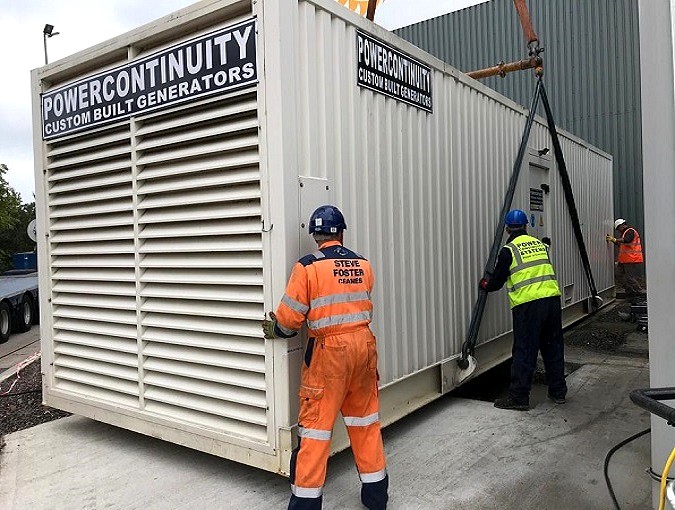
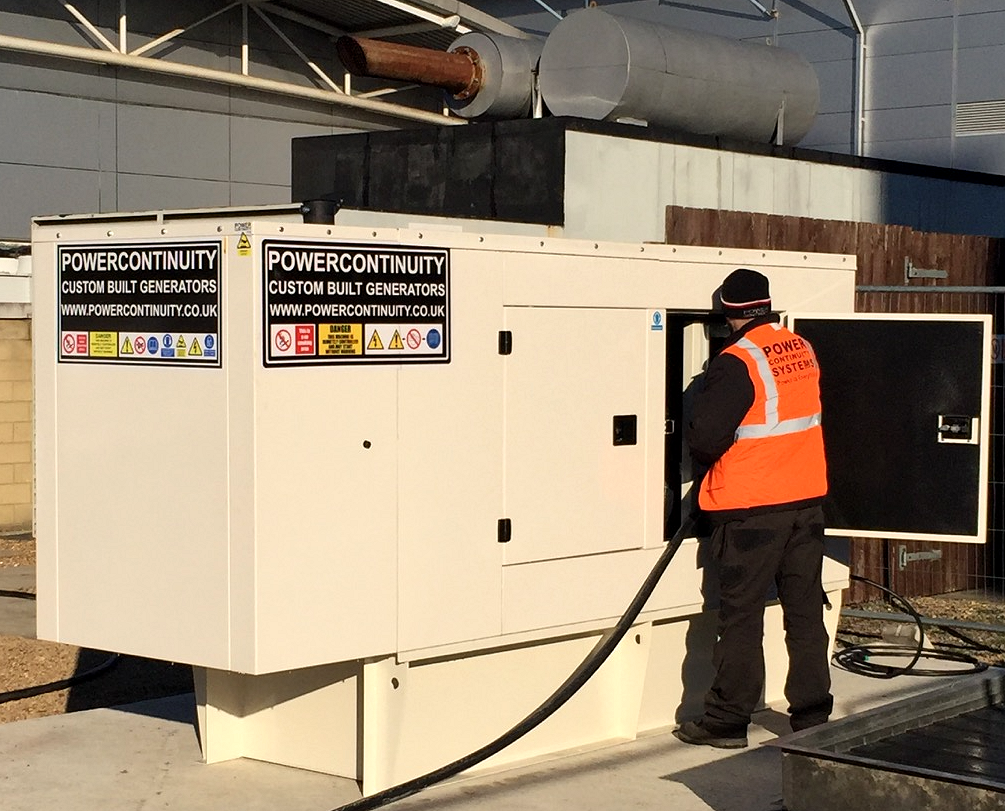
Generators may be gas or diesel powered. Having a large external tank that will usually allow them to run for up to 48 hours before refuelling. A Standby Generator power back-up system is also becoming more common for banks, distribution centres and private businesses When locked into a ‘supply from stock’ contract with their key customers, they cannot allow any disruption in their critical system. Simply speaking, a standby generator is a robust commercial engine. Mounted on a skid, fitted with a large alternator, radiator, on-board fuel tank and electric governing. Housed either in a weatherproof canopy or within a purpose built building. Although sometimes referred to as ‘a lorry without wheels’, they are far more sophisticated. Each standby system has to be ready to start up at any given time, winter or summer, rain or storm. The generator will be cabled into the incoming supply distribution board. This is via an ‘Automatic Transfer Panel’ also referred to as an’ AMF’ or ‘Automatic Mains Transfer Panel’.
This is the nerve centre, constantly monitoring the sensitive harmonics of the National Grid supply for any deviation or fluctuation to the regular pattern. As deviation sensed, the panel will instantaneously send the ‘start up signal’ to the generator.
Is the generator really on permanent standby?
Indeed, every standby generator incorporates a water heater as an essential component. This water heater plays a crucial role in maintaining the engine at a consistent temperature. By keeping the engine warm, it ensures that the generator can be activated promptly and efficiently, even in situations where an immediate response is vital.
The water heater functions by continuously circulating warm water throughout the engine, preventing it from cooling down completely. In doing so, the standby generator remains ready to start at a moment's notice, without the need for time-consuming warming up procedures. Whether it's during the day or the dead of night, the engine remains warm and primed for immediate operation.
The advantage of having a water heater integrated into the standby generator is its ability to eliminate the potential delays associated with cold engine starts. By maintaining optimum engine temperature, the generator can quickly respond to power outages or other emergencies, reliably delivering the energy required to power the building within seconds.
Can a standby generator fail?
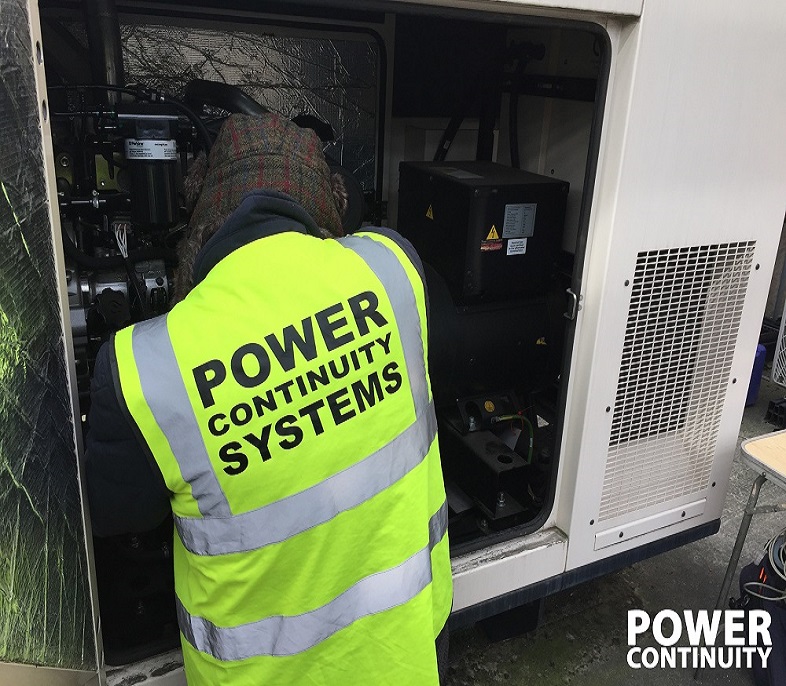
Similar to any piece of machinery, a standby generator requires routine maintenance and servicing to ensure its optimal performance. However, if properly cared for, it has the capability to provide more than three decades of dependable service. This means that the standby generator can be relied upon to be swiftly activated and handle the entire building's power requirements within a mere 60 seconds, regardless of the time of day or night. Regular maintenance is crucial for keeping the standby generator in excellent condition. This includes tasks such as inspecting its components, testing its functionality, and replacing any worn-out or faulty parts. By adhering to a consistent maintenance schedule, the generator's longevity and reliability can be maximised, ensuring that it remains operational for over 30 years.
The true value of a standby generator lies in its ability to immediately assume control during power outages, offering uninterrupted power supply to the building and its occupants. Its rapid response time is indispensable, as it guarantees minimal disruption and provides peace of mind, regardless of the circumstances.
What could I do to prevent any level of failure?
To ensure robust disaster prevention, implementing an N+1 redundancy approach is vital. This concept involves having one additional backup component or system beyond what is actually required to sustain normal operations. By doing so, organisations can fortify their infrastructure and mitigate the risk of a single point of failure.
Implementing N+1 disaster prevention means that if one component or system fails, the backup component or system can seamlessly take over without interrupting critical operations. This redundancy measure is particularly crucial for essential systems and services that cannot afford any downtime.
N+1 redundancy is commonly applied in various critical infrastructure elements, such as power supplies, cooling systems, and network connectivity. It offers a robust and reliable safety net, ensuring that potential failures do not compromise the overall functionality of the infrastructure.
By adhering to the principles of N+1 disaster prevention, organisations can significantly enhance their preparedness and minimize the impact of unforeseen events. This proactive approach provides an added layer of resilience, safeguarding against potential disruptions and enhancing overall system reliability.
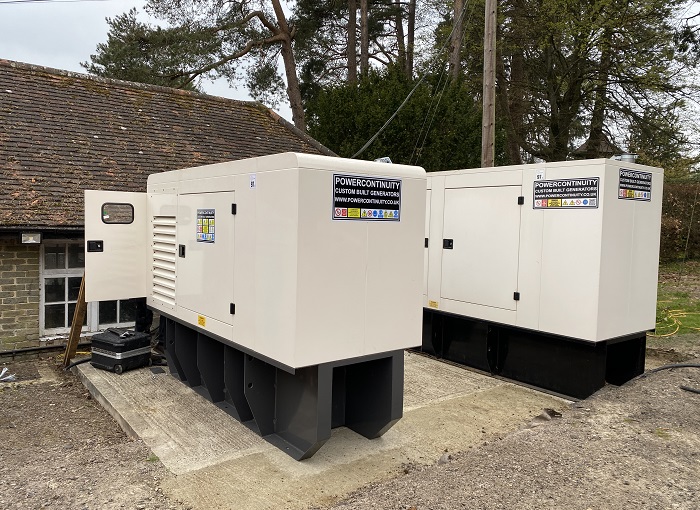
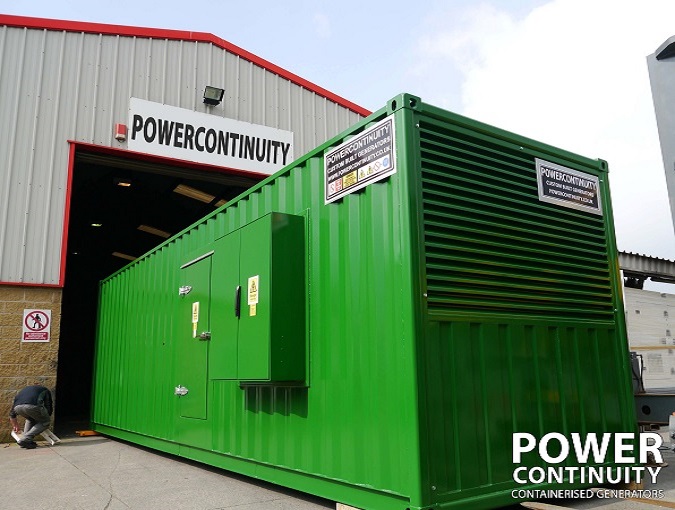
All generators are manufactured adhering to the noise level standards set by the European Union (E.U.). These standards ensure that every generator is equipped with a silencer to minimize noise emissions. Generators can be categorised as either openset, without housing, or enclosed sets, which offer quieter operation. The sound levels typically range around 80 dB(A) at a meter's distance and 65 dB(A) at a distance of 7 meters. In today's society, where power outages pose significant concerns, generators have become an essential item. Although generator technology dates back to the inception of combustion engines, they have evolved to become indispensable components for modern commercial buildings in the 21st century.
The fear of power loss has grown in recent times, emphasised by the increasing reliance on electricity for numerous aspects of daily life, business operations, and critical infrastructure. In this context, generators provide an effective solution to mitigate the potential disruptions caused by power outages.
Generators ensure the continuity of necessary functions and services during electrical failures, safeguarding operations and minimising downtime. With advancements in technology, generators now offer reliable and efficient power supply, making them highly sought-after for new commercial buildings.
Furthermore, these generators are designed to meet specific noise level regulations stipulated by the E.U. This ensures that they operate at permissible noise levels, reducing noise pollution and maintaining a peaceful environment for occupants and neighbouring areas. Whether it is an openset or an enclosed set, generators have a crucial role in providing uninterrupted power supply. They offer peace of mind in times of uncertainty, allowing businesses to maintain essential functions and critical systems, such as computer servers, during power outages.