UPS power systems failure and how to prevent UPS failure happening.
UPS power systems can fail despite installation in data centers due to several factors: 1. Poor Maintenance: Neglecting regular servicing can lead to premature failures; preventive maintenance is vital for reliability. 2. Future-Proofing: It's essential to accurately predict UPS size to accommodate future growth; modular UPS systems allow for easy expansion. 3. Lack of Testing: Regular testing can uncover issues like underperforming batteries, which could impact business during a power outage. 4. Untrained Use: UPS operations should only be handled by trained professionals to prevent accidental failures or damages. 5. Cheap, Poor Quality UPS: Opt for reputable brands over cost-cutting measures; cheaper units often compromise quality. In conclusion, for UPS reliability, choose a quality system, conduct regular maintenance, ensure proper testing, and use trained personnel.
UPS power systems failure can happen and we can help prevent it. You have a UPS, or multiple UPS, in your data-centre. That doesn’t necessarily guarantee uptime because UPS systems failure can still happen. How? UPS service and maintenance are important too.
1. Poor or no UPS maintenance regime
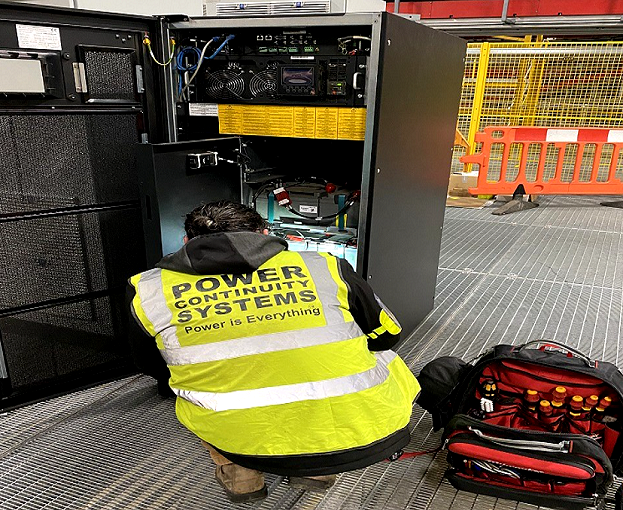
Surprisingly, many customers pay good money for a UPS system only to then never correctly service them . When a UPS fails prematurely, they ask why? Power Control UPS your system. It’s a well known fact, that preventive maintenance is cheaper than reactive action. Far better to service a UPS and keep it in optimum condition than just ignore it and expect it to just work. Don’t play Russian roulette with your data centre uptime. Random or no, UPS service and maintenance will eventually need to a systems failure.
2. Failure to future-proof
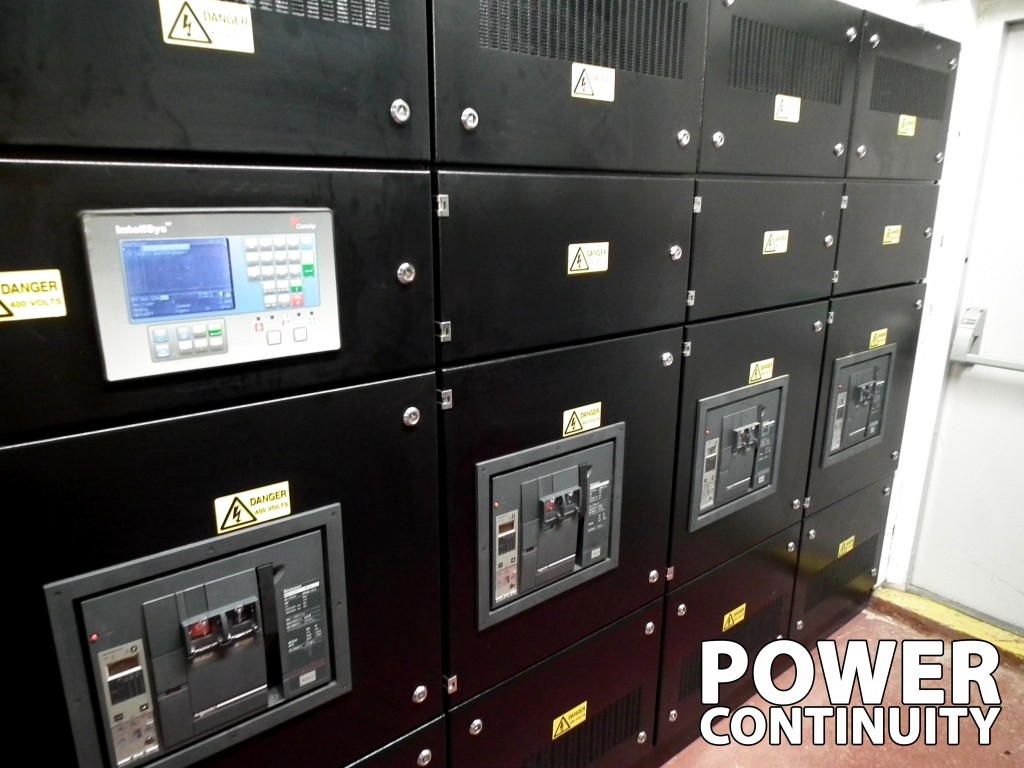
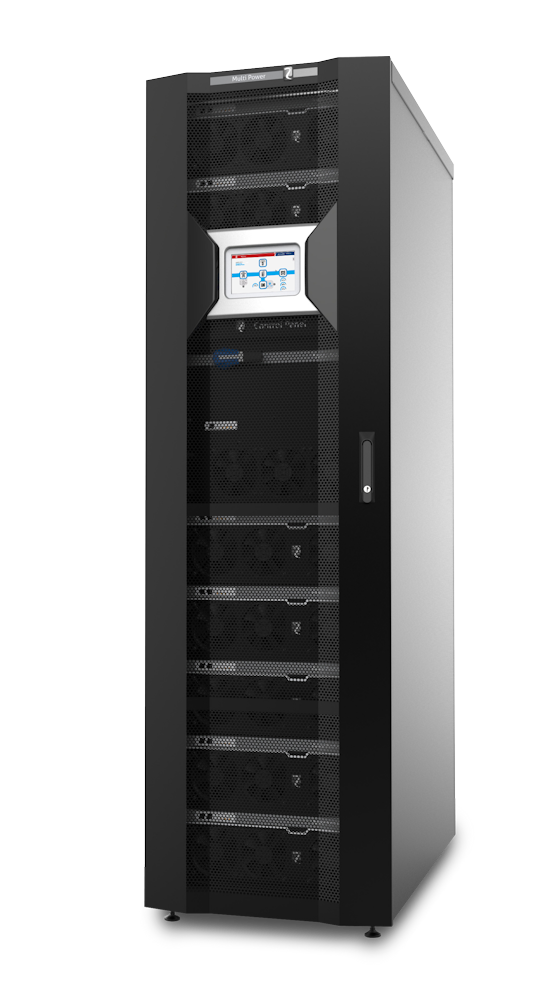
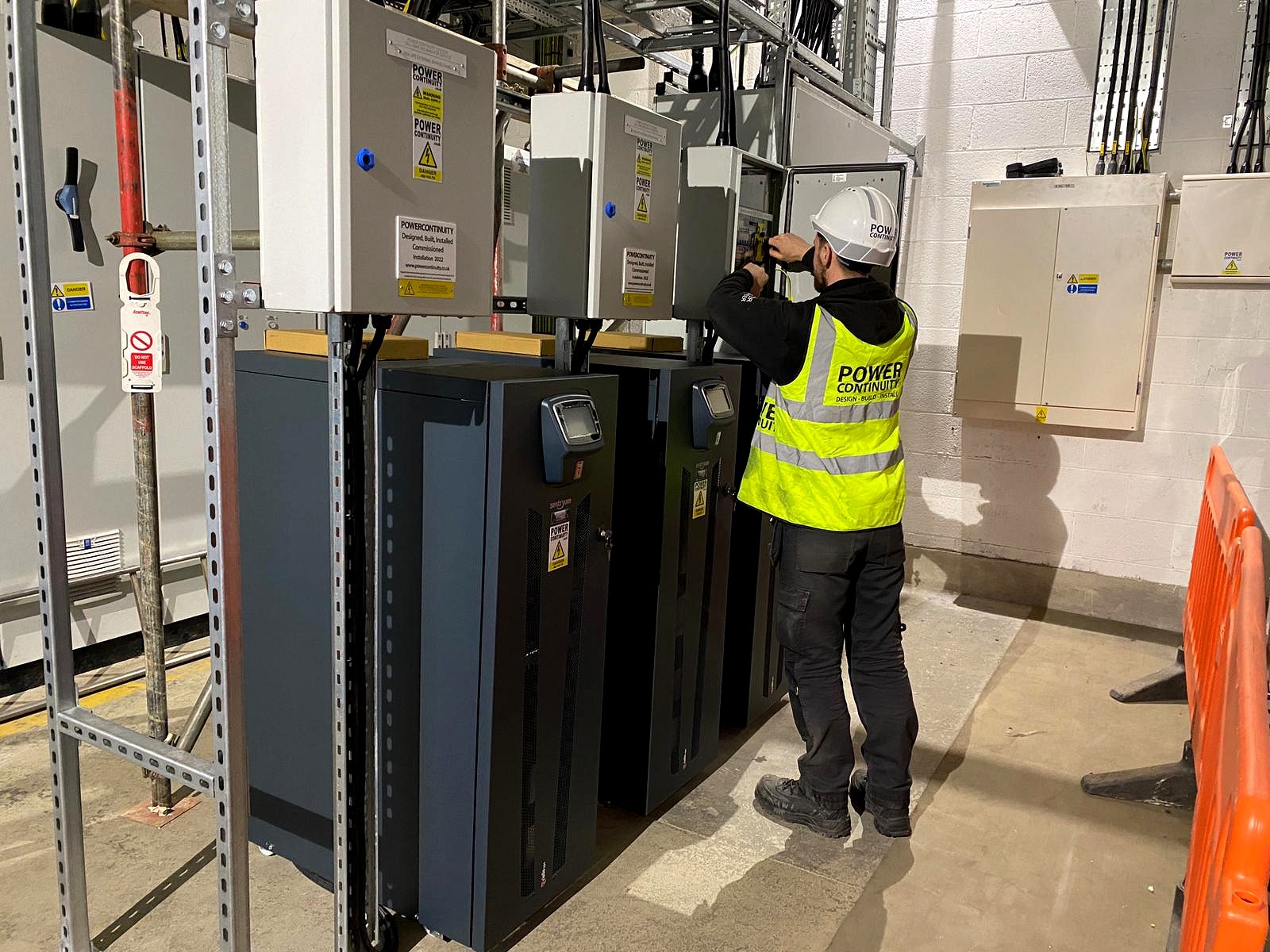
Data centres typically expand over a period of time and it can be difficult to accurately predict the size of UPS you will require. Whilst of course you don’t want to over spec the size of a UPS because it’s less efficient and more expensive. It’s still important to get the right balance between this and having some capacity to increase the load over the short or medium term. When you install a parallel UPS system, you have the opportunity to add to it in the future. On the other hand, there are a large range of modular UPS that are now available on the market. Modular UPS allow you to easily expand the size of UPS by adding additional power units. The UPS can grow with your needs. Bottom line is, get your future load predictions evaluated before installing a UPS power system.
3. Forgetting to test your UPS
Regular maintenance is of course important in ensuring the continued operation of your UPS. However it is also important to test your UPS systems regularly. How can you have total confidence in a system that you’ve not tested it? It’s often when carrying out tests, that UPS issues become apparent, for example underperforming batteries.
If you don’t test the UPS, it’s likely you would only know of an issue during a power cut. That’s a direct impact on your uptime, your income, your entire business. Down time costs money and looses confidence in your company.
UPS after catching fire by PowerContinuity from Power Continuity Ltd on Vimeo

Playing in picture-in-picture
Play
CC/subtitlesSettingsTranscript
CC/subtitlesOff
Picture-in-Picture
4. Untrained use of UPS
Whilst UPS require minimal human interaction, UPS should not be operated by untrained people. Especially, never allow people to touch your UPS system, who don’t implicitly follow the manufacturers instructions. The number of times that UPS have been incorrectly switched and dropped load is frightening. All because of irresponsible persons fiddling with the UPS power control will lead to UPS power systems failure.
Another cause of serious damage is due to local electricians as well as other non UPS engineers. These individuals think they know what they are doing by switching the UPS or meddling with the electrics. This is not only potentially dangerous for the operator but it significantly increases the chances of damaging the UPS. Untrained personnel will cause your UPS to drop site load, causing downtime.
5. Cheap poor quality UPS
Now I will start with the premise that we are not suggesting you need to go for the most expensive UPS available. It is true that the most expensive brands will have some additional features. And it’s important to balance up whether the additional features are worth the extra over cost. On the other hand, however, it is a very dangerous game to play, expecting the cheapest price UPS to protect critical data. Cheaper UPS are often manufactured using low quality parts by companies that don’t have a service network in the UK.
True, some non known brands are available. Our advise is go for the best brands. Vertiv, Eaton, Emerson, Riello, are amongst the best UPS and forget the rest.
In conclusion, to prevent UPS failure:-
Choose the best UPS system available.
Only install Global UPS brands and never scrimp on cost.
Carry out regular service & maintenance by manufacturer trained UPS engineers.
Test regularly.
Ensure you never overload the UPS.
Replace weak batteries.
Before battery end of life, replace all batteries with NEW quality brands.
Keep in an Air Conditioned environment with ambient 22°C.