UPS Batteries Swell – Why? – Explained
UPS batteries, especially sealed lead acid ones, can swell due to gas accumulation from internal chemical reactions. Key causes include overcharging and short circuiting, which generate heat and pressure within the battery, leading to swelling. To prevent this, ensure proper ventilation, maintain recommended temperature ranges, conduct regular inspections, utilize proper charging methods, follow maintenance schedules, and use high-quality batteries. If swelling occurs, signs such as an 'eggy' smell may indicate battery issues. Modern UPS systems often incorporate intelligent chargers to help prevent overcharging.
UPS batteries swell for a number of reasons.
Sealed lead acid batteries (VRLA) typically used in UPS can swell as they are manufactured in such a way to allow absorption of gasses released during the chemical process inside the battery. In other words, the gases caused by the chemical reaction taking place inside the battery due to age or chemical breakdown and can’t get out. Hence the battery begins to swell gently to begin with and thereafter blows up like a balloon.
The positive and negative plates are packed very close together with only the thickness of the divider separating them meaning there is very little extra space inside the battery. When the cell plates expand, it exerts pressure on the inside walls of the battery. This situation can cause the battery case to swell resulting in possible splits and cracks at various points of the battery. These should be visible long before the battery becomes severely mis shaped.
The primary reason for expansion in a battery is attributed to the phenomenon of battery overcharging. However, expansion may also occur as a consequence of the terminals of the battery being shorted. Both these instances result in the generation of heat within the battery's cell plates. When temperatures rise, the lead present in the cell plates exhibits a notable expansion rate.

Battery overcharging is a prevalent cause of expansion. When a b attery is overcharged, excessive electrical energy is supplied to it, overpowering its capacity to store this surplus energy. As a consequence, heat production increases, leading to the expansion of the cell plates within the battery.
Similarly, when the terminals of a battery accidentally come into contact with each other, a short circuit is formed. This shorting effect triggers an intense discharge of electricity, causing the temperature to rise considerably. Consequently, the cell plates undergo expansion due to the increase in heat.
The expansion of the cell plates is primarily attributed to the lead materials used in their composition. Lead possesses a high rate of expansion when subjected to heat, contributing to the overall expanding effect within the battery. Therefore, whether it occurs due to overcharging or terminal shorting, the lead in the cell plates plays a significant role in the expansion process.
How to Avoid Battery Swelling?
- Proper ventilation: Ensure that the UPS is placed in a well-ventilated place with sufficient airflow. High temperatures can accelerate battery degradation, leading to the swelling of it.
- Temperature. control: Keep the ambient temperature within the recommended range specified by the UPS manufacturer. Excessive heat or extreme cold can impact the battery life, leading to the swelling of the battery.
- Regular inspections: Periodically inspect the UPS battery for any signs of swelling, such as bulging or abnormal shape. If you notice any swelling, immediately replace the batterywith a compatible one recommended for your equipment.
- Proper charging: Ensure that the UPS battery is charged using the appreciated charging mechanism provided by the UPS. Overcharging or undercharging the battery can lead the battery to swell.
- Regular maintenance: Follow a regular maintenance schedule recommended by the UPS manufacture. This may include cleaning the battery terminals, checking for loose connections and testing the battery health.
- Quality batteries: Always invest in high quality batteries, genuine batteries from reputable manufacturers. Using counterfeit and substandard batteries can increase the risk of swelling and other battery-related issues.
By following these guidelines, you can minimise the chance your UPS suffer from swelling batteries and that way you can ensure long longevity and proper functioning of your UPS and it will be ready to serve when it is needed the most.
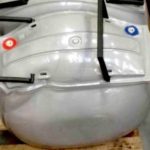
Overcharging or short-circuiting of the battery is the only reason for swelling up of the lead acid battery. The problem is not inherent in the battery itself. In order to avoid swelling up of the battery you need to tackle the underlying cause of the problem.
Modern UPS have intelligent battery chargers that avoid overcharging but a faulty battery charger can easily lead to the batteries swelling.
What to check?
Prior to the swelling up of the lead acid battery, you may sense an ‘eggy’ smell which indicates acid could be leaking from a split battery. Also check that the battery environment hasn’t or isn’t over temperature – ambient 22C A faulty battery charger can easily lead to the batteries swelling. Check it’s operating correctly. Check the battery terminals aren’t ‘furring’ up – Keep them clean.