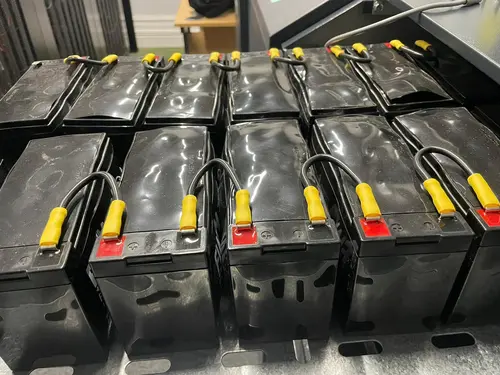
UPS Batteries Swell – Why? – Explained
UPS batteries swell from overcharging and heat; prevent by proper charging, ventilation, and regular inspection.
We have 220 pages of useful information, guides and tips. You can also search the site here:-
UPS batteries swell from overcharging and heat; prevent by proper charging, ventilation, and regular inspection.
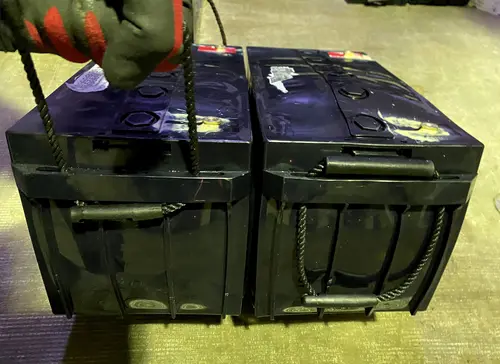
Regular maintenance of UPS components—batteries, fans, capacitors—is essential to prevent failures.
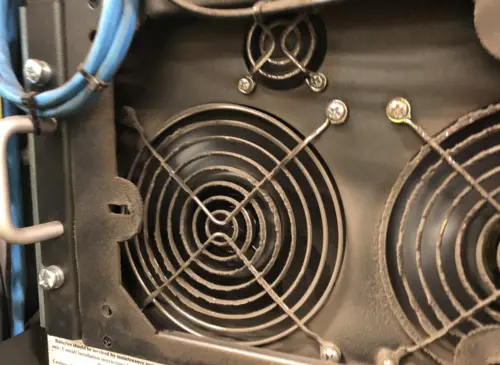
Keep UPS units clean, dry, well-ventilated, and replace old ones to prevent fire hazards.
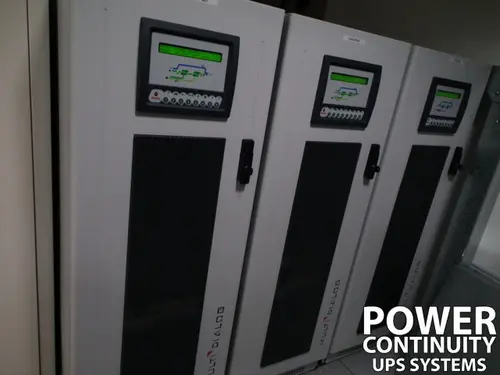
A low UPS battery warning signals replacement need or discharge; recharge occurs after power restoration.
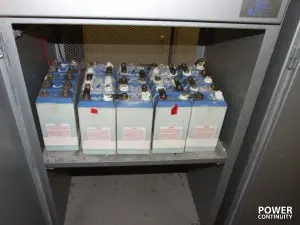
New UPS batteries are pre-charged; regularly check charging, perform inspections, and replace every four to eight years.
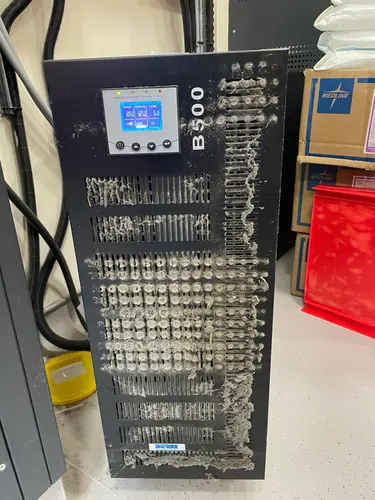
UPS overheating is caused by poor environment, dust, fan failure, overload, enclosure, battery, and water issues.

THD measures harmonic distortion; UPS filters and PFC reduce it below 5% to meet standards.
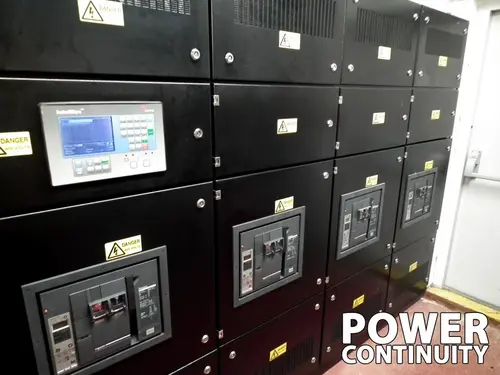
UPS failures stem from poor maintenance, inaccurate sizing, lack of testing, untrained use, and low-quality units.
UPS systems operate best at 20-24°C in dust-free, moisture-free environments to extend battery lifespan.
UPS systems protect against power disturbances, ensuring data safety and continuous operation in varied environments.