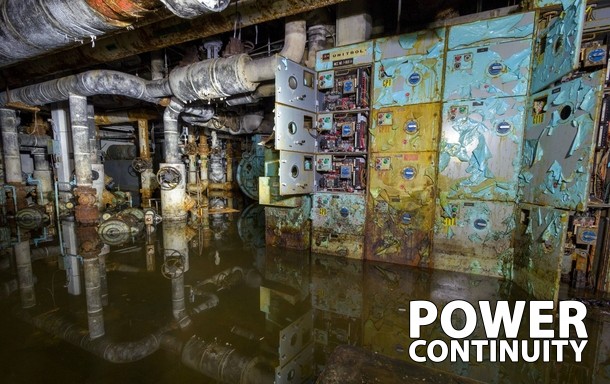
LV Switch Gear Water Damage Prevention
Preventing water damage to LV switchgear is vital due to the risks posed by water exposure. LV switchgear is not always waterproof, which increases vulnerability to water-related issues like short circuits. To mitigate risks, the following precautions are recommended:
- Elevate LV panels on plinths at least 30 cm above ground to minimize flood impact.
- Ensure top entry for cables to prevent water infiltration at connection points.
- Avoid water pipes above the switchgear to reduce leak risks.
- Ensure no water pipes are in floors above the switchgear area to prevent potential flood from above.
- Install water detection alarms for early warnings of water ingress.
- Have emergency isolation means outside the LV room to allow quick disconnection in emergencies.
- In case of water damage, NEVER touch damaged LV panels and ensure competent engineers handle testing safely.
Preventing water damage to LV switchgear is crucial, regardless of whether the risk stems from water pipes or being located in a floodplain. It is a well-known fact that water and electricity are a dangerous combination. While transformers may be designed to be waterproof for outdoor use, most LV switchgear lacks this level of protection. This leaves the panel vulnerable to potential short circuits caused by water, resulting in power loss and potential damage to the LV switchgear. To mitigate the risk of LV switchgear water damage, it is essential to follow these precautions:
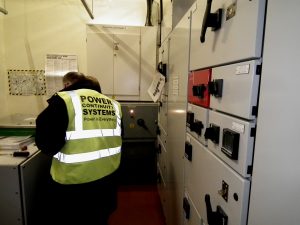
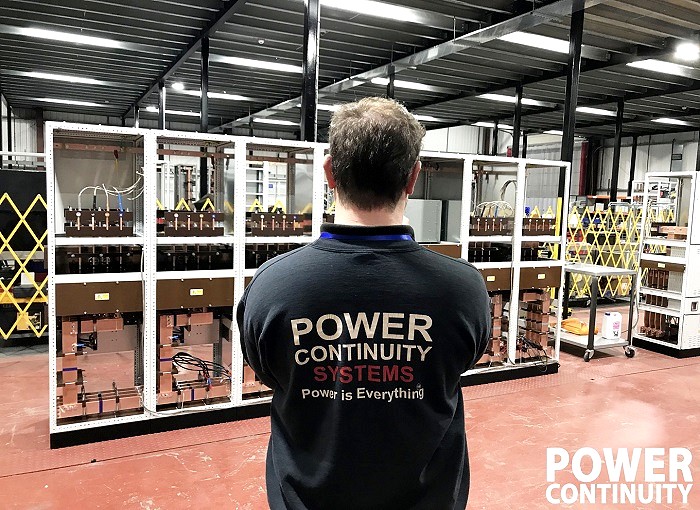
Elevate LV panels on plinths that are at least 30 cm above ground level. By raising the switchgear, you reduce the chances of water reaching the panels during a flooding event or in the case of any water leakage. This precaution helps to safeguard the integrity and functionality of the LV switchgear.
Ensure that all cables are top entry. The entry points for cables should be positioned in a way that minimises the risk of water infiltration. Top entry cable connections help prevent water from seeping into the switchgear through cable entry points, reducing the risk of water-induced damage.
Avoid having any water pipes above the LV switchgear. Water pipes located above the switchgear area pose a potential threat of leakage or burst pipes, which could result in water seeping into the LV panels. Therefore, it is crucial to design the layout in a way that eliminates the possibility of water pipes being located directly above the LV switchgear.
Ensure that there are no water pipes in the floors above the LV switchgear area. Just as water pipes above the LV panels are a risk, the presence of water pipes in the floors directly above the switchgear can also pose a threat. Any leakage or burst pipes in the upper floors could potentially flood the LV panels below. Therefore, it is essential to ensure that there are no water pipes in the areas directly above the LV switchgear.
Install water detection alarms in the LV room.Water detection alarms are an effective means of early warning. By installing these alarms, any water ingress can be promptly detected, allowing for immediate action to prevent further damage. The alarms can be programmed to alert designated personnel or trigger emergency procedures.
Have a means of isolation outside the LV room for emergency isolation. In the event of water damage or any other emergency situation, it is crucial to have a means of isolating the LV switchgear from the power supply. This isolation should be accessible from outside the LV room to ensure swift and safe disconnection from the electrical source. It is important to have clear procedures in place and ensure that relevant personnel aretrained in emergency isolation processes.
Should the worst happen – NEVER touch water damaged LV panels
Ensure competent engineers test safely before ANY works takes place – if doubt isolate and vacate.