Low temperature affects on batteries VRLA subjected to freezing conditions
Low temperatures significantly shorten battery life and performance, particularly for VRLA batteries, which function optimally between 18C to 22C. When temperatures drop, float voltage increases, requiring adjustments in charging to prevent battery depletion, which can happen up to three times faster below 10C. Frost damage is irreversible; affected batteries must be replaced immediately due to compromised casing and potential acid leaks. To prevent low temperature damage, maintain a controlled environment, monitor ambient temperatures, safeguard against frost, and perform regular maintenance checks. Optimal storage and operational temperatures are crucial for battery longevity.
Low temperatures will affect batteries.
Consistently low temperatures will dramatically shorten the life of a battery.
As we have discussed in other FAQs the ambient temperature has a significant impact on the longevity and performance of VRLA batteries. Batteries operate best in an ambient range of 18C to 22C. Batteries like consistency for a long useful working life.
How does low temperatures affect batteries?
The lower the temperature, the higher the float voltage. This in itself is not a problem but it means that the charging voltage should be increased accordingly. Most forget to manually increase the charging current to compensate and that is then an issue. Another affect on batteries is the dramatic reduction in effective capacity.
For example, temperatures that are less than +10 degrees C this becomes quite considerable. Because at less than +10 C a battery depletes in a third of the time than it does when the ambient is +18-22C.
What about FROST Damage?
Should batteries be subject to frost damage then the batteries will be permanently destroyed.
NEVER re-use batteries that have been subject to Frost or below ZERO damage.
The outer casting will have been compromised and the acid WILL LEAK.
Low temperature affects on batteries will also cause micro cracks. You may not see the hairlines cracks in the outer casing but they now exist. Once the battery warms up , the acid will leak out.
Replace these batteries immediately and take care to ensure that such low temperature damage can never happen again.
ALWAYS monitor the ambient temperature of the battery environment. NEVER let the ambient drop below at worst +16C.
Low Temperature damage to batteries, can be avoided.
Here’s how to carry out battery maintenance.
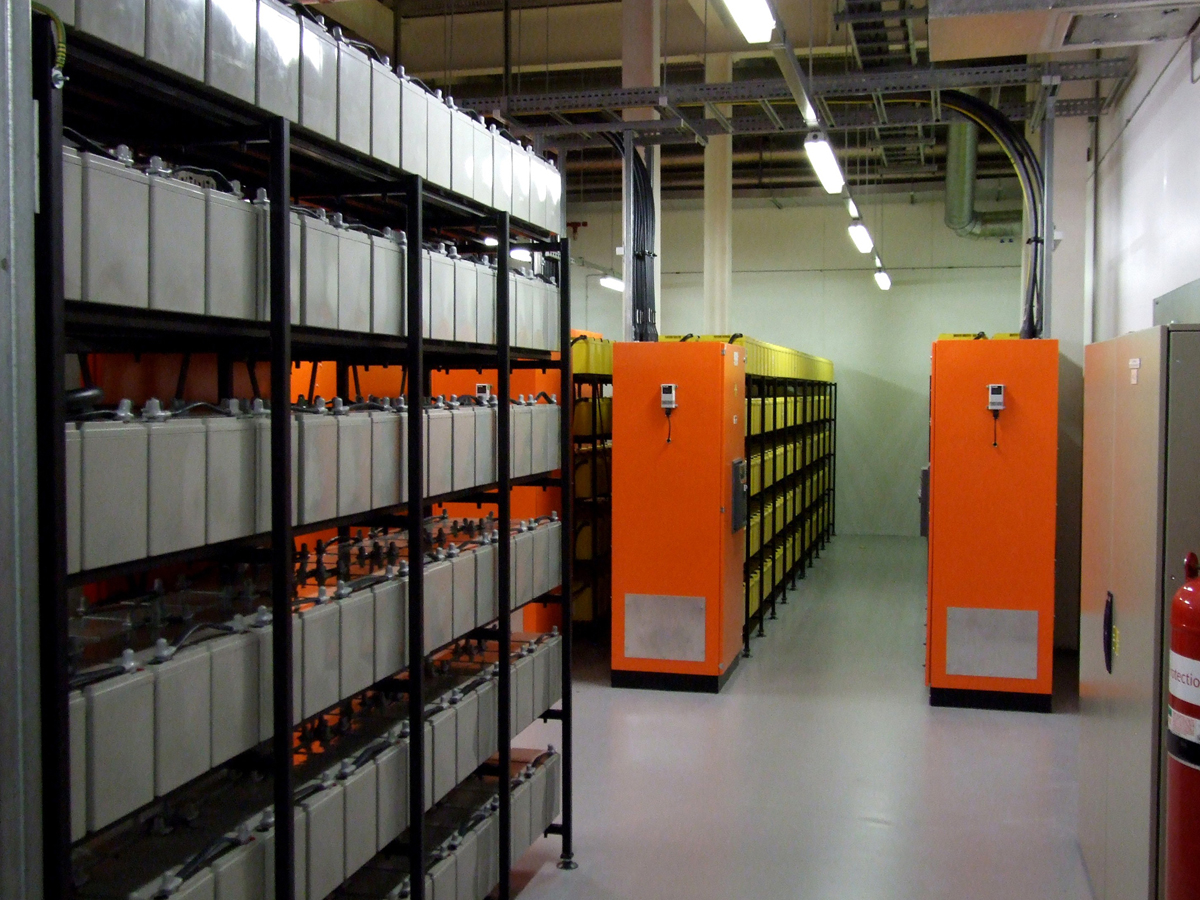
Ensure that the battery or batteries are in a controlled environment
To avoid damage protect batteries from :-
Wind Chill factor.
Low Temperatures.
Water Damage.
Frost Risk.
Always keep well ventilated.
Keep batteries level and dry.
Ensure the battery terminals clear and greased.
Remember to keep the batteries top up with liquid (as stated by the manufacturer).
Carry out weekly visual checks for the appearance of any fluid leaks.
Check that the battery charging unit is still charging your battery/batteries.
The moral of the story is to stop Low temperature affects on batteries.
whether in storage or in operational use, always store at an ambient temperature of + 18 to + 22 degrees C.