Leaking Turbo on Diesel Generators – Reasons Explained
Turbochargers, essential for engine performance, operate at high speeds and temperatures, making them prone to wear and tear. Continuous stress on bearings can lead to failure and leaks. High temperatures from compressing air and exhaust gases degrade lubricating oil, causing insufficient lubrication, which exacerbates wear. Regular maintenance, including inspections and proper lubrication, is crucial to avoid leaking turbos and ensure longevity. Key maintenance checks include visual inspections, verifying oil supply and air intake, checking shaft play, monitoring boost pressure, listening for unusual sounds, and adhering to manufacturer schedules. Regularly checking turbochargers helps prevent costly repairs and ensures reliable operation.
Turbochargers are mechanical devices that operate at extremely high speeds and temperatures, making them susceptible to wear and tear. This continuous stress on the turbocharger's bearings can eventually lead to failure and subsequent leaking of the turbo.
The high rotational speeds of turbochargers are necessary to provide the desired boost pressure to the engine, which enhances its performance. However, these high speeds create immense centrifugal forces that exert significant pressure on the turbocharger's bearings. Over time, this constant pressure can result in wear and tear, leading to the degradation of the bearing surfaces.
Additionally, the high temperatures generated in the turbocharger can further contribute to the wearing down of the bearings. The process of compressing air generates heat, and this, coupled with the intense heat generated by the exhaust gases, can place enormous thermal stress on the turbocharger. These extreme temperatures can cause the lubricating oil to degrade over time, leading to inadequate lubrication of the bearings. The lack of proper lubrication exacerbates the wear and tear, eventually causing failure and resulting in leaking turbos.Image Example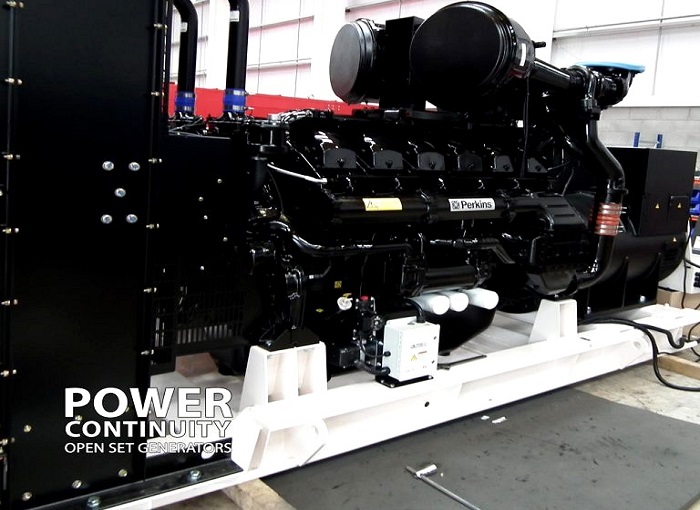
Regular maintenance and care are essential to mitigate the wear and tear on turbochargers. This involves routine inspection, proper lubrication, and monitoring of the turbocharger's operating conditions. Adequate lubrication is crucial in reducing friction and dissipating heat, thus minimising wear on the bearings. Additionally, monitoring the turbocharger's performance parameters allows for early detection of any abnormalities or potential issues before they escalate into significant failures.
Leaking Turbo
The bearing spin in a thin coating of oil.
The oil is kept in place with seals lubricating the turbine and compressor. Positive air pressure keeps the oil in the housing preventing the oil from escaping into the end housings. Always check the seals for any external residue. If you’re concerned replace the seals. – DON'T wait for the seals to fail.
If the inlet is restricted in any way a vacuum will form and draw the oil past the seals reducing or even preventing lubrication of the turbine and compressor. During engine idling for prolonged periods the turbo will rotate at slower speeds due to the lack of lubrication, which results in low air pressure.
The vacuum that results will cause the oil to leak into the turbine housing, causing a leaking turbo. This creates oil starvation to the bearings. The bearings operating at such high temperatures with no lubrication will soon fail. -DON'T let the generator idle for long periods. Oil contamination reducing the effectiveness of the oil can also cause similar results.
Turbochargers as a rule tend to be a very reliable component. It is possible that a turbocharger can fail due to occasional failings within manufacturing at such tight tolerances. Oil starvation and oil contamination can also contribute to a turbocharger failing. In conclusion, Turbo’s are usually reliable. Do get them checked regularly during your generator servicing and they’ll work for many decades without an issue. Such as a leaking Turbo if you have a problem it will be expensive to fix.
Check the turbos regularly
Regularly checking the turbocharger on your generator is crucial to ensure its proper functioning and prevent potential issues. Here are steps to help you perform regular checks:
Visual Inspection: Start by visually inspecting the turbocharger, looking for any signs of damage, such as cracks, leaks, or loose connections. Check the housing, air inlet, and exhaust connections for any noticeable issues. Oil Supply: The turbocharger relies on a proper oil supply for lubrication. Check the oil lines, fittings, and connections to ensure they are secure and free from leaks. Also, verify that the oil level in the engine is within the recommended range. Air Intake System: Examine the air intake system, including the air filter, hoses, and connections. Ensure there are no blockages or restrictions that could hinder airflow to the turbocharger. Turbocharger Shaft Play: Gently try to move the turbine and compressor wheels back and forth to check for excessive play or looseness. A small amount of axial and radial movement is normal, but if it feels excessive or there is grinding or scraping, it indicates a problem that should be addressed. Image Example