It can never happen to me… – | UPS System
Recent flooding in the UK highlights the need for individuals to consider the resilience of their power sources, particularly the protection of power substations against flooding. Substations, often located in flood-prone areas, are crucial for electricity supply and their flooding can result in widespread power outages, disrupting daily life and posing public safety risks to hospitals and emergency services. To mitigate these risks, individuals and businesses should evaluate their power supply, invest in backup power systems like diesel generators, and communicate with utility providers about their flood protection measures to ensure continuous electricity availability during emergencies.
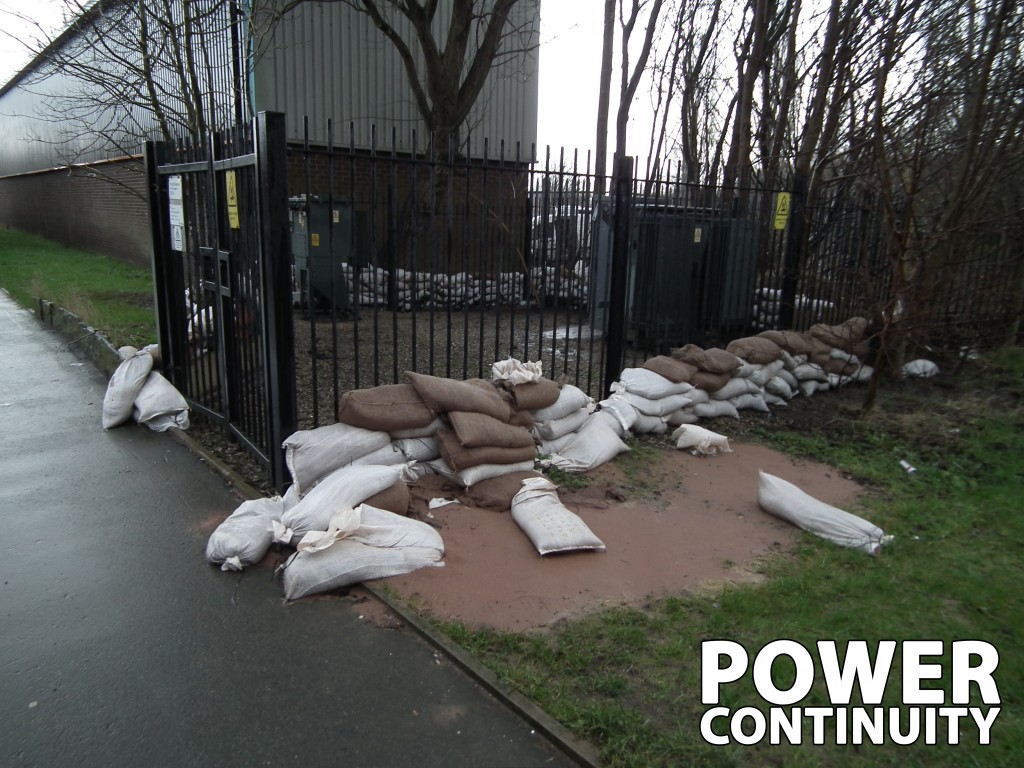
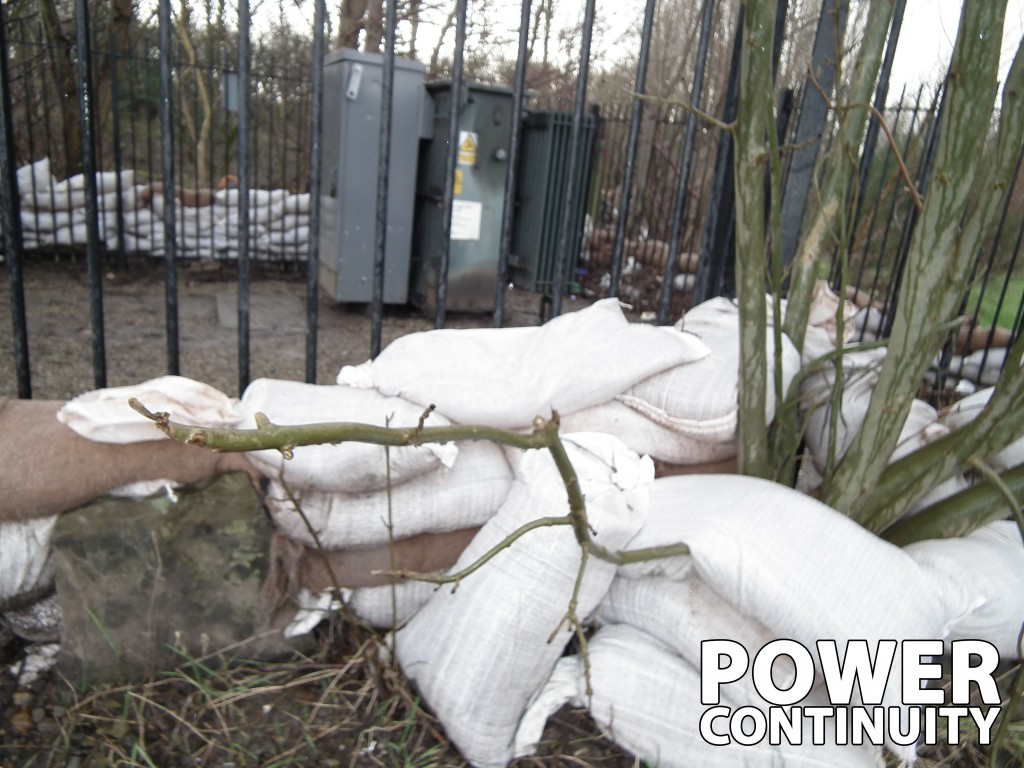
With recent flooding incidents in the UK capturing headlines, it's natural for many individuals to believe that such disasters will never affect them personally. However, it's important to consider potential consequences beyond direct residential impacts. While you may have taken measures to flood-proof your own house or may live in an area deemed safe from flood risks, have you ever stopped to ponder the vulnerability of your power source? Specifically, have you contemplated whether your power provider's substation is adequately protected against flooding?
This is a crucial factor to consider, as failure to protect substations can result in power outages, leaving you without electricity unless you have your own power protection system in place.
In the face of climate change and its associated extreme weather events, including heavy rainfall and flooding, the resilience of power infrastructure becomes particularly relevant. Substations, as vital components of the electricity supply chain, are susceptible to damage if they are not appropriately safeguarded against floodwater intrusion. Typically located near rivers, streams, or flood-prone areas, these substations can be at significant risk during periods of intense rainfall and subsequent flooding. As a result, the power supply to residential and commercial areas served by these vulnerable substations may be compromised.
The potential impact of a substation flooding cannot be underestimated. Not only can it lead to widespread power outages, causing inconvenience and disruption to daily life and commerce, but it can also pose risks to public safety. Hospitals, emergency services, and vital infrastructure depending on a constant power supply would face severe challenges in the absence of electrical energy. Imagine the implications for critical medical equipment, public transportation, communication networks, and other essential services that rely heavily on reliable and uninterrupted power.
Recognising this vulnerability, it becomes imperative for individuals and businesses to proactively evaluate their power sources and develop contingency plans to ensure continuous electricity availability in case of substation flooding. Investing in a reliable power protection system, such as a backup diesel generator, can serve as an insurance policy against unexpected power disruptions. By having your independent power source, you can maintain essential services, protect vulnerable individuals who heavily depend on electricity for health or safety reasons, and mitigate financial losses for businesses during extended outages.
Furthermore, it's crucial to communicate and collaborate with your utility provider to assess their flood protection measures for substations. While it is their responsibility to ensure infrastructure resilience, being informed about their strategies and investments in flood protection can provide reassurance and advance planning in case of emergencies. Understanding their contingency plans, alternative power sources, and emergency response protocols will help you make informed decisions when it comes to protecting yourself and your community.