In what circumstances is a Rotary UPS better than Static battery UPS?
Traditional static UPS systems are ideal for clean loads like data centres but struggle with disruptive loads such as motors. Rotary UPS systems, utilizing flywheel technology, excel in handling disruptive loads without compromising stability. They are essential in industries where uninterrupted power is crucial, minimizing financial losses from power variations. Rotary systems require less cooling, operate effectively at higher temperatures (up to 40°C), and offer efficiencies over 98%. They also eliminate hazardous battery issues and reduce maintenance needs. They respond faster to load fluctuations, ensuring continuous operation during outages.
Traditional static UPS systems are often considered an excellent choice for clean loads, such as data centres, where a continuous and stable power supply is crucial. However, these UPS systems may not be suitable for loads that are more disruptive, such as motors and heating systems. This is where rotary UPS systems, which use flywheel technology, offer distinct advantages. Unlike static UPS systems, rotary UPS systems are unaffected by the presence of disruptive loads.
In industries such as production facilities, uninterrupted power supply is of utmost importance. Even a slight variation in power can result in substantial financial losses, potentially reaching millions of dollars. Therefore, it is essential to have a power backup system that can seamlessly handle such variations without causing disruptions. Rotary UPS systems prove to be more reliable in such scenarios, as they are not sensitive to disruptive loads and can ensure a continuous power supply.
Another advantage of rotary UPS systems is their ability to operate effectively in environments where it is prohibitively expensive to provide air conditioning. Traditional static UPS systems often require a controlled temperature environment to maintain their efficiency and longevity. This necessitates the installation of air conditioning systems, which can significantly increase operational costs. Conversely, rotary UPS systems are less dependent on external cooling mechanisms, making them better suited for environments where air conditioning may not be feasible or cost-effective.
By leveraging flywheel technology, rotary UPS systems offer several benefits over their static counterparts. Flywheels store kinetic energy, eliminating the need for chemical batteries typically used in static UPS systems. This not only reduces maintenance requirements but also reduces the risk of hazardous material leaks or failures associated with batteries. Additionally, the lifespan of a flywheel system surpasses that of batteries, resulting in reduced replacement and disposal costs.
Moreover, rotary UPS systems have faster response times compared to traditional static systems. They can rapidly h andle load fluctuations and provide immediate power backup, ensuring critical operations are not interrupted during power outages or fluctuations. This is especially crucial in industries requiring continuous production or environments that rely on sensitive equipment susceptible to damage from power interruptions.
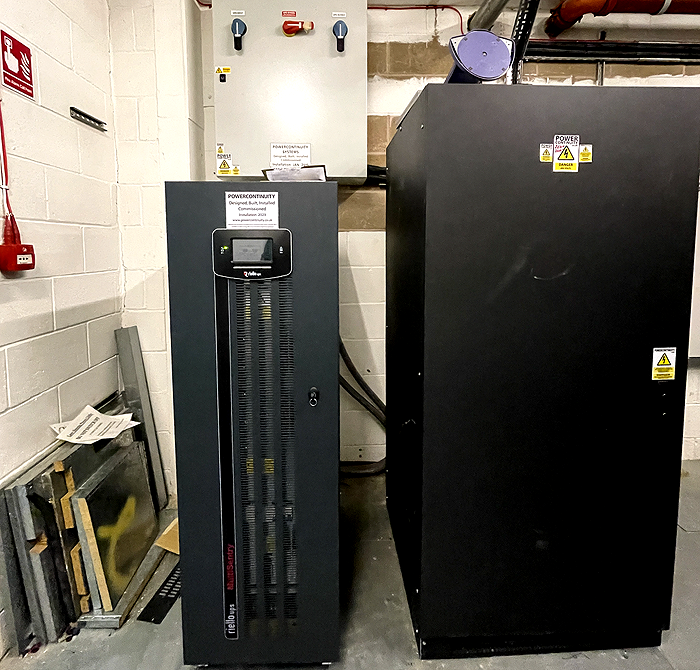
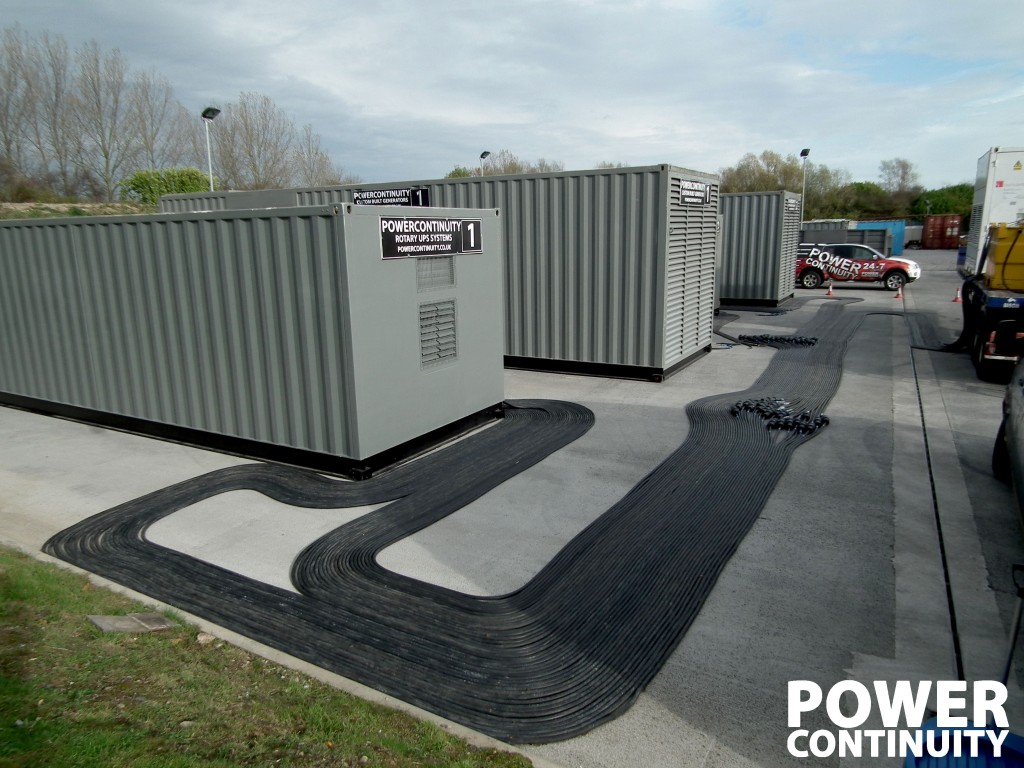
Rotary UPS systems offer unique advantages over traditional static UPS systems, one of which is their ability to operate at higher temperatures without any deterioration. While static UPS systems are typically kept at around 20 degrees Celsius for optimal performance, rotary systems can handle temperatures as high as 40 degrees Celsius without compromising their functionality.
This higher temperature resilience of rotary UPS systems can be attributed to their design and the use of flywheel technology. The components of the system are built to withstand and effectively dissipate heat, allowing them to operate reliably even in hotter environments. As a result, companies that operate in settings where temperatures can reach or exceed 40 degrees Celsius can benefit from the use of rotary UPS systems without the need for expensive cooling measures.
In addition to their ability to function at higher temperatures, rotary UPS systems also offer superior efficiency compared to online static UPS systems. Rotary systems can achieve efficiencies of over 98%, meaning that a minimal amount of energy is wasted during the power conversion process. This high efficiency can lead to cost savings in terms of energy consumption and operational expenses.
It's important to note that the comparison to online static UPS systems does not take into account the running of rotary systems in eco mode. Eco mode is a setting that allows the system to operate with even higher efficiency by bypassing certain components when power quality is stable. However, in situations where a constant and high-quality power supply is required, rotary UPS systems can offer greater efficiency compared to online static UPS systems.
By using the flywheel technology, rotary UPS systems eliminate the need for chemical batteries typically found in static UPS systems. This not only increases their operational efficiency but also reduces maintenance requirements and the risk of hazardous material leaks. Flywheels can store and provide energy efficiently, making them a reliable alternative to battery-based systems.