How UPS SNMP works (UPS Systems)?
The content discusses the Simple Network Management Protocol (SNMP) used for monitoring Uninterruptible Power Supply (UPS) systems remotely via a central computer. Key points include:
- SNMP allows for monitoring multiple UPS systems and can alert maintenance personnel directly, especially during alarms outside normal hours.
- It provides accurate data by measuring actual UPS system performance rather than relying on external interpretations.
- The host computer can establish an operational history for monitored UPS systems, aiding in identifying loading and supply voltage issues without costly equipment.
- SNMP enhances long-term monitoring capabilities, allowing users to track performance trends over time.
- It aids in assessing the severity of UPS faults, potentially reducing unnecessary maintenance costs by facilitating informed decision-making regarding when to call engineers.
- The effective use of SNMP is highlighted as a powerful diagnostic tool for preemptive issue management.
S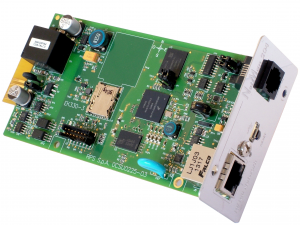 NMP – stands for Simple Network Management Protocol.
SNMP allows either one or a number of UPS systems to be monitored by a computer at a central point on a network. The severity and sensitivity of any alarms can be programmed to alert maintenance personnel direct. This feature is particularly useful when an alarm occurs outside normal working hours.
As the software is dealing with actual measurements from a UPS system, and not a Building Management System’s interpretation of the operation of a relay contact, the information is far more accurate.
The operating software at the host monitoring computer allows an operational history to be established on each UPS that is monitored. This can be useful in determining loading issues and supply voltage problems without the necessity of connecting expensive monitoring equipment to check an individual UPS system.
The SNMP is purely a monitoring tool to allow the UPS user to monitor the performance of his UPS system, using the host computer’s storage capabilities which can hold far more information on the UPS system than the individual UPS. The normal UPS history storage capacity is limited and only allows an engineer to diagnose any potential problems based on recent events. By using the SNMP connection to a host computer it is possible to see the trend of events over a far greater time period.
The monitoring of the UPS systems over the client’s network by means of SNMP can allow the client to decide the severity of any faults that occur to his UPS system and control the expense of calling an engineer to deal with it.
For example, if one module of an N+1 parallel system fails in the middle of the night, the client can make the judgement that he still has protected power and can call an engineer during normal office hours at far less cost than if he responded to the report the UPS system was in alarm from the interpretation of an alarm contact.
Used correctly the monitoring of UPS systems by SNMP can be a very powerful diagnostic tool and give the user greater knowledge to forewarn of possible issues before they arise. For more information see the remote monitoring section of this website.