How to deal with a Diesel Spillage?
The response to a diesel spill depends on its volume. The general procedure includes four key steps: 1. Stop the spill: Qualified personnel should safely stop the leak by turning off valves or using materials like wooden plugs. 2. Contain and recover the spill: If stopping the leak is impossible, absorbent materials like sand or sawdust should be spread to contain and soak up the diesel. 3. Collect the contaminated material: Sweep up the absorbents and secure them in appropriate containers, ensuring ignition sources are controlled. 4. Secure the waste: Arrange for proper disposal of the absorbent materials following industry best practices. For assistance with diesel generators, contact the provided phone number.
The exact action to be taken will depend on the extent of the diesel spillage (i.e. whether this is 100ml or 1,000 litres). The general procedure to follow is the following:
Stop the spill
Properly qualified and equipped personnel should safely stop the leak or spill. Turn off nozzles or valves from the leaking container. Use a wooden plug, bolt, band or putty on a puncture-type hole.
Contain and recover the spill.
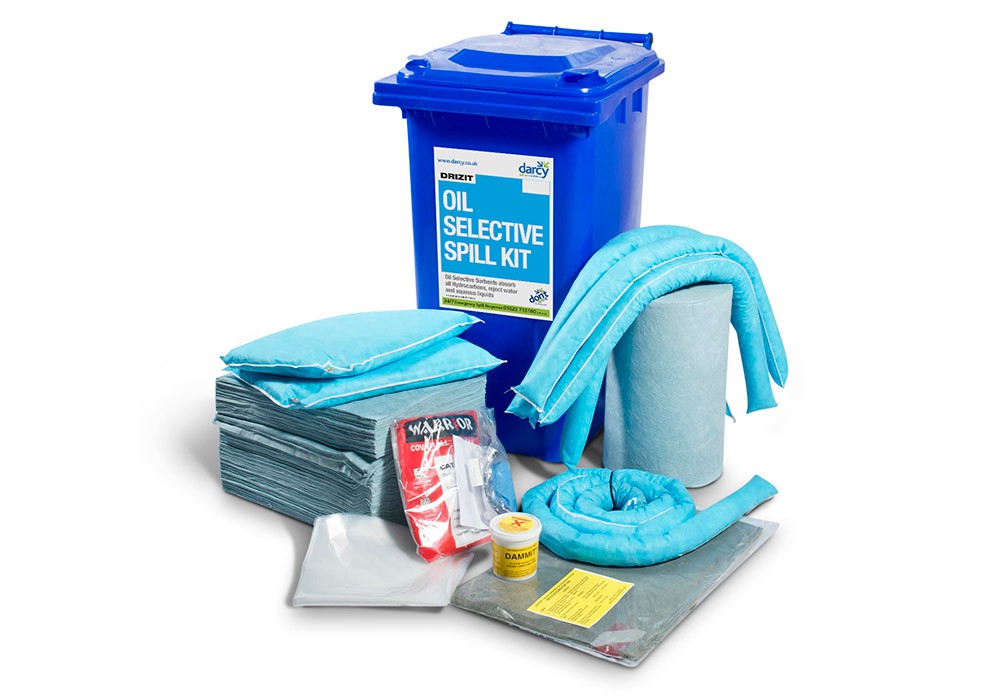
If the spill or leak cannot be stopped, catch the flowing liquid using whatever is available. Spreading absorbent material (including sand, sawdust, wood chips, synthetic absorbent pads can stop the flow and soak up the diesel spillage. It is also possible to use “solidifiers” which are powders or liquids, which react with the diesel turning it into a rubbery substance.
Collect the contaminated material.
Use brooms to sweep up the absorbent material and put it into buckets, garbage cans or barrels or on top of plastic sheeting. Remember to control ignition sources. Fresh granular absorbent such as sand can then be re-spread on a roadway to control the residual slipperiness.
Secure the waste.
In accordance with industry best practice, arrange for the absorbent material to be disposed of.