Generator Maintenance Daily Checks – Checklist and Instructions
To ensure reliable operation of your generator over time, carefully follow the guidance in the generator, engine, and alternator manuals. Perform daily maintenance checks to maintain optimal functionality. Key checks include:
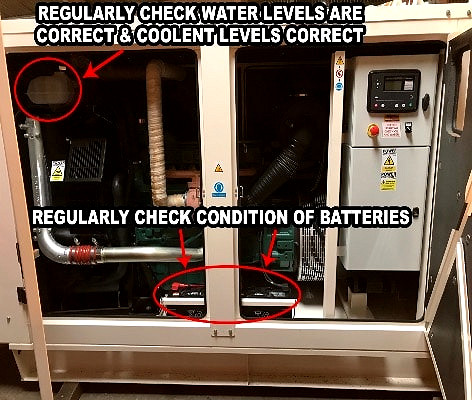
- Water Level: Verify radiator water level and check for leaks.
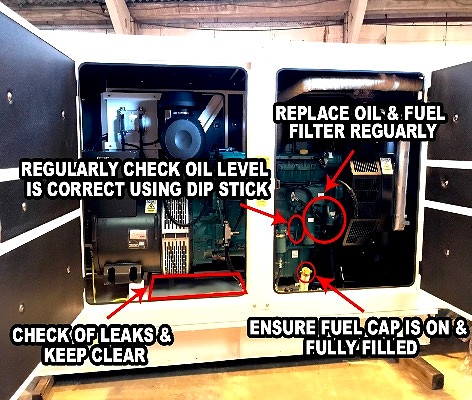
- Oil Level: Use the dipstick to check oil level and inspect for leaks beneath the engine.
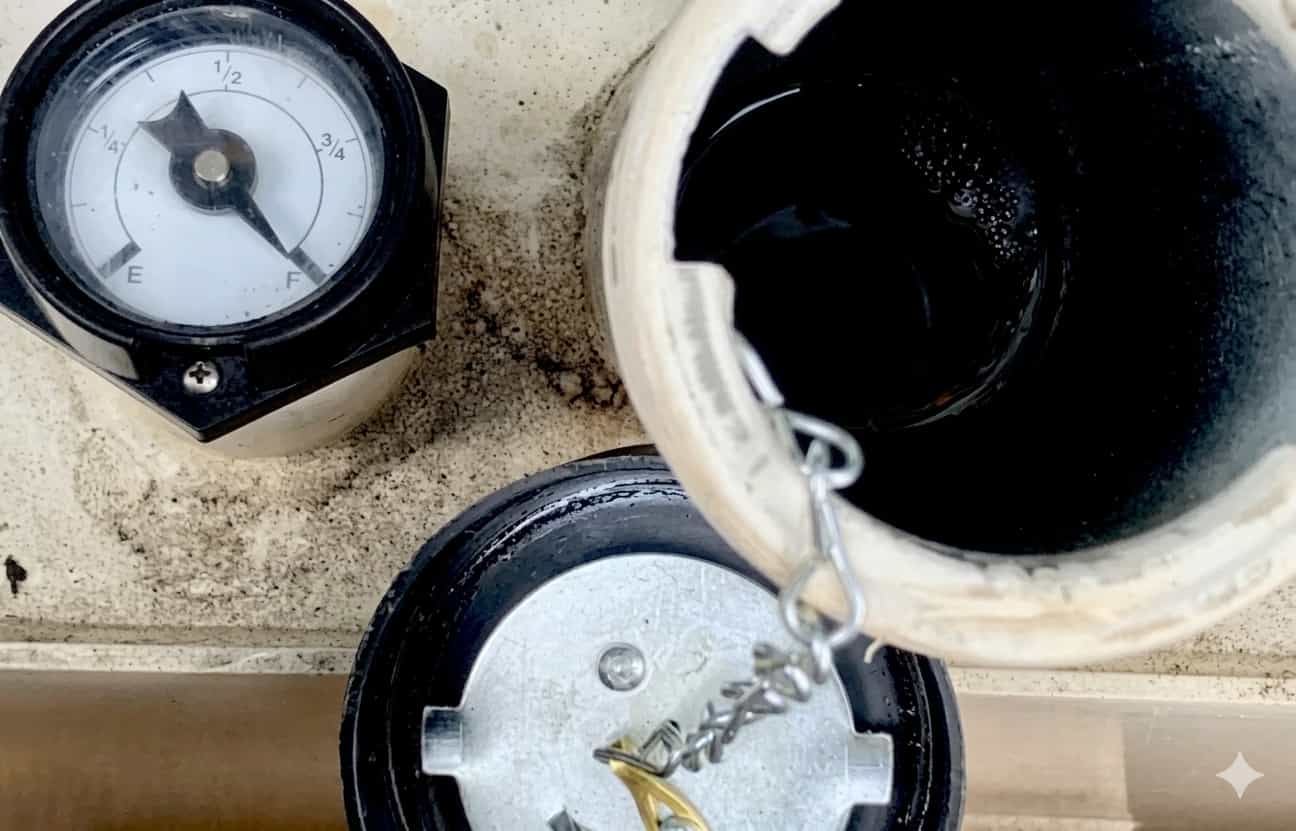
- Fuel Tank: Ensure the fuel tank is full with a secure cap.
- Battery: Inspect terminals for furring, and check fluid levels.
- Door Locks: Check for unauthorized access to the generator enclosure.
- Emergency Stop: Confirm the emergency stop button is in the OUT position.
- Control Panel: Ensure all lights are functioning.
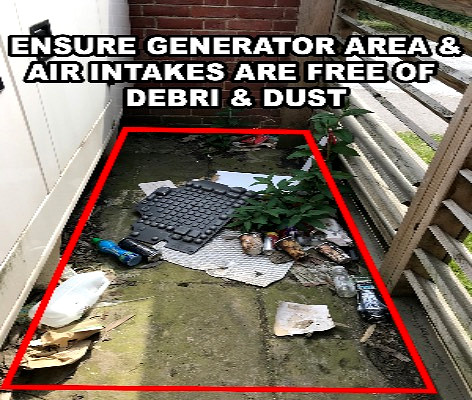
- Debris and Dust: Clear around the generator for proper airflow.
- Air Vents: Make sure vents are free from blockages.
- Battery Charger and Water Heater: Ensure power supplies are connected.
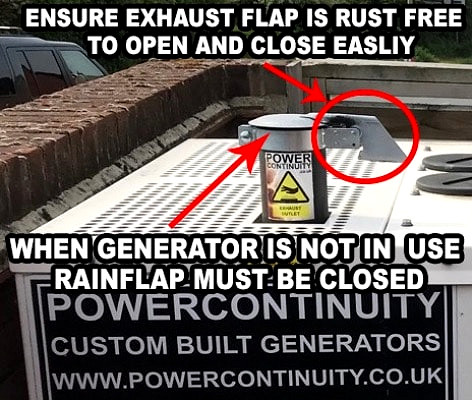
- Exhaust Rain Flap: Check functionality to prevent water ingress.
After checks, start the engine as per the operator's manual and consider annual load bank testing for optimal performance.
Guaranteeing satisfactory and dependable operation of your generator in the long run necessitates meticulous adherence to the instructions outlined in the generator manual, as well as those in the engine and alternator manuals. These manuals comprise crucial information and guidelines tailored to your specific generator model.
In conjunction with these instructions, performing regular daily maintenance checks will help ensure the optimal condition and continuous functionality of your generator. Here are some key maintenance checks to incorporate into your routine:
Generator Maintenance Basic Daily Checks
- Water Level: Check the water level in the radiator daily, ensuring that there are no leaks in the radiator or hoses. Leaks can lead to overheating and potential damage to the engine.
- Oil Level: Use the dipstick to check the oil level daily. Low oil levels can cause engine malfunctions or damage. Also, inspect under the engine for any signs of oil leaks.
- Fuel Tank: Ensure that the fuel tank is full and that the cap is securely fastened. This ensures a continuous supply of fuel to the generator during operation.
- Battery: Check for any furring on the battery terminals and ensure that the battery fluids, if applicable, are at the correct level. Clean terminals and top up fluids as necessary.
- Is there any furring on the battery terminals?
- Door Locks: Daily checks should be done to detect any tampering or unauthorised access to the generator enclosure. Secure door locks to maintain proper security.
- Emergency Stop: Verify that the emergency stop button is in the OUT position and not pushed in. This ensures that the generator can start and operate as needed.
- Control Panel: Check that all control panel lights are functioning correctly and visible. Malfunctioning lights can indicate issues with the generator's internal systems.
- Debris and Dust: Regularly remove any debris and dust from around the generator. Accumulated debris can obstruct airflow, potentially leading to overheating.
- Air Vents: Ensure that the air vents of the generator are clear from debris and dust. Blocked vents restrict airflow, which can affect the generator's performance.
- Battery Charger and Water Heater: Check that the 13 amp supply to the battery charger and water heater is connected and remains turned on for proper charging and heating.
- Exhaust Rain Flap: Verify that the exhaust rain flap is in the down position and operational. Ensure it is not stiff or rusted open, as this can lead to water ingress and damage to the generator.
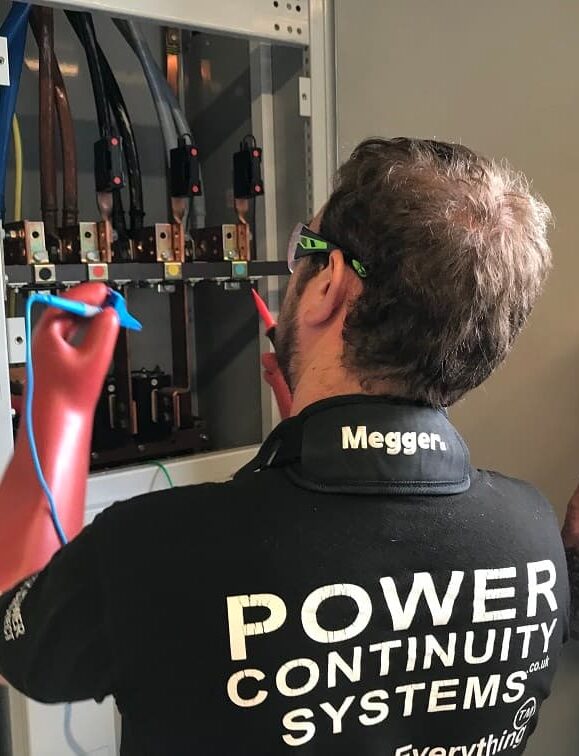
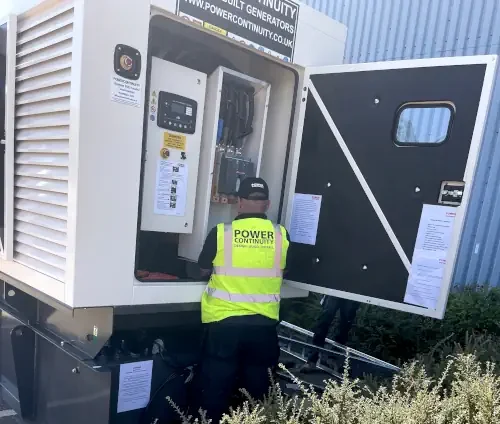
By performing these daily checks, you can identify and address any potential issues promptly, ensuring the reliable operation of your generator and extending its lifespan. After you have carried out the generator maintenance daily checks you may wish to start the engine by means of the key start, start push-button or by remote Power Continuity app. You may load the engine and run in accordance with the operator’s instructions once you are satisfied that it is running correctly. Get acquainted with either the manual start or automatic mains fail panel (referred to as the AMF or ATS panel). Ask Power Continuity for any help. See photos below as a guide of generator maintenance daily checks Remember to load bank your generator once a year for peak performance. Testing OFF load will lead to wet stacking issues.
If you’re looking to Maintain your Diesel Generator, call us on 0845 055 8455, we’re here to help!