Generator Hunting and Surging – Emergency and Standby Generators
Generators may exhibit symptoms of hunting and surging, characterized by erratic engine performance and fluctuating frequency levels. Causes include improper fuel-air mixtures, faulty governor systems, and fuel delivery issues. To resolve these, regular maintenance and professional assistance are essential. Common culprits include fuel blockages, intermittent fuel pump faults, and unbalanced loads across phases. The Automatic Voltage Regulator (AVR) is crucial for maintaining consistent voltage, and any failures should be addressed by qualified personnel. Safety precautions emphasize not attempting repairs without proper qualifications.
Generator is hunting and surging erratically.
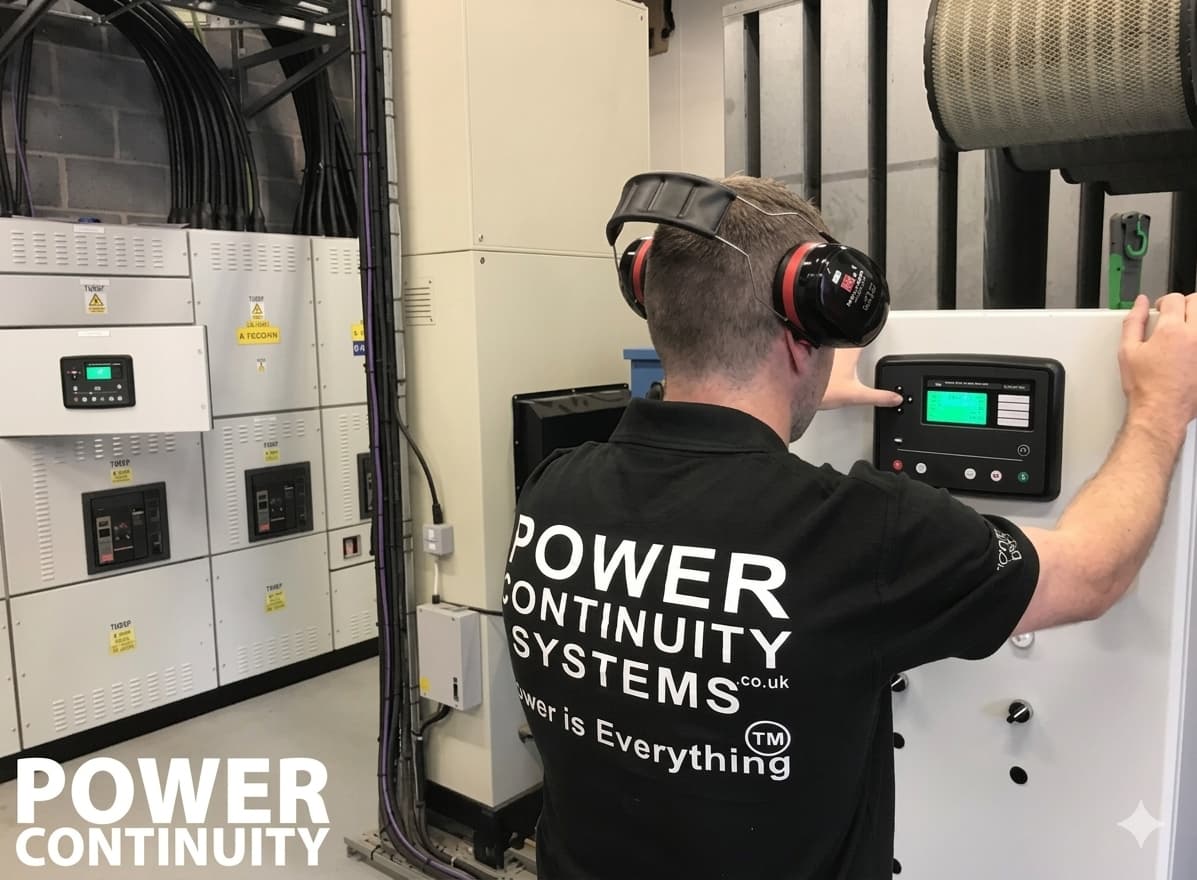
What are the signs your generator is hunting and surging? Listen for the engine struggling or hunting randomly. If you can hear this, check the frequency on the control panel. You may see it rise and fall erratically whilst you’re watching.
During the observation, you may notice notice erratic fluctuations, with the frequency rising and failing unpredictably. These irregularities in both engine performance and frequency can indicate that the generator is experiencing hunting and surging, highlighting the need for troubleshooting the equipment and if you are still experiencing the same thing, call for the assistance of a qualified engineer to have a look at it.
Hunting and surging in generators can be indicative of various underlying issues that affect their performance and stability. One possible cause of hunting is an improper fuel-air mixture. If the mixture is too lean, the generator may struggle to maintain a consistent speed and show hunting symptoms.
Another factor that can contribute to hunting and surging is a faulty governor system. The governor is responsible for regulating the engine's speed and maintain stability under varying load conditions. If the governor malfunctions or loses calibration, it can result in hunting and surging as it fails to effectively control what the engine is meant to be doing and the speed it should be running at. Similarly, issues with fuel delivery, such as clogged fuel filter or a malfunctioning fuel pump, can disrupt the fuel supply to the engine, causing irregularities in operation.
By promptly addressing hunting and surging symptoms in generators, the risk of further damage or potential system failure can be mitigated. it is essential to prioritise regular maintenance and seek PROFESSIONAL ASSISTANCE to keep generators reliably and effectively operating, specially during critical times where it is crucial to get power backup.
Here is what a Generator start up should sound like:
The sound level is measured in decibels, which usually range between 60 and 90, but sometime can cross over depending on the size of the generator.
A generator that is around 60 to 70 decibels will be as loud as a vacuum cleaner or a dishwasher. If it is louder that it is supposed to be or if the sound has changed from the last time you have turned the generator on, CONTACT YOUR GENERATOR INSTALLER. DO NOT ATTEMP TO DO ANYTHING BY YOURSELF UNLESS YOU ARE QUALIFIED.
Usual causes of generator hunting and surging – solutions
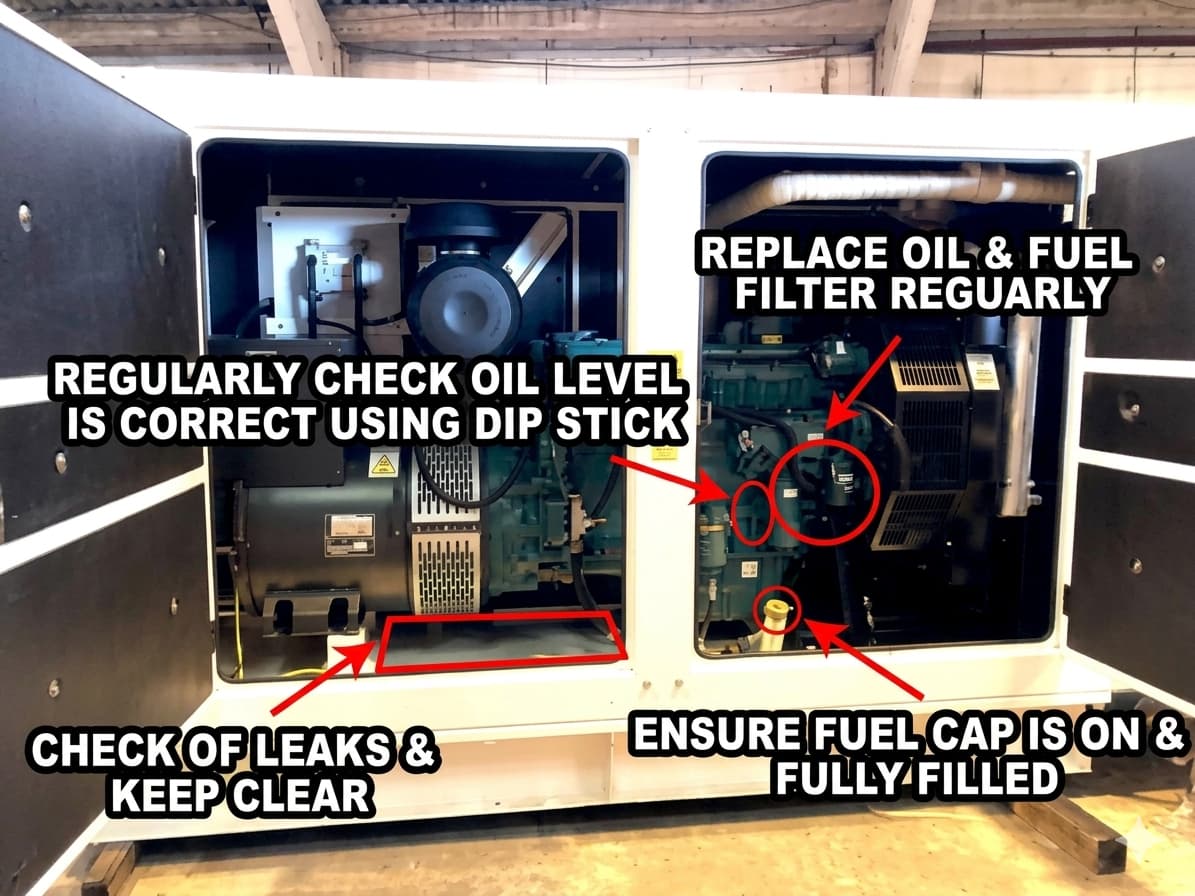
Fuel blockage or restriction: Firstly, check filters and fuel quality.
Fuel pump – intermittent fault: Check for leaks or lack of fuel.
Machinery has suddenly started up and caused a wild spike load. This is beyond the range of your generator and it is struggling to cope.
Motor drives downstream are going ON & OFFerratically. Moreover, this is causing generator overload.
Unbalanced generator load that keeps increasing and decreasing.
Old motor drives without electronic governors starting up. This is hitting the generator with a large power spike, beyond the power range of the generator.
Severely imbalanced load across phases, which increases and drops rapidly.
- E.g. Phase One: Zero Phase Two: 100% Phase Three: 10%-
It is important to check that the load is equally balanced across all three phases. Also, ensure that you’re not OVERLOADING the generator continuously or with short spike loads.
NO functioning AVR on the generator – Basic alternator/governor.
Arrange for the installation of a new AVR. Contact your generator installer for assistance with this. DO NOT ATTEMPT TO DO THIS BY YOURSELF.
AVR failure or intermittent AVR failure.The AVR (Automatic Voltage Regulator) is a small device that sits on the alternator, monitoring the power output. You may never even notice it.
The AVR is there to maintain constant voltage and power line conditioning to the equipment load. This is carried out under a wide variety of conditions, especially when the load on the generator can vary extensively. The AVR smooths out the constant power output of the generator.
Contact your generator supplier, who can send out an engineer with a laptop to log into your control panel. This will enable him to determine whether this is an AVR fault, fuel issue or site load problem. Whatever you do, DO NOT operate the generator whilst it is struggling.
If you’re looking your Generator is Hunting, call us on 0845 055 8455, we’re here to help!