Generator Exhaust Systems – What Choices Do I Have?
When selecting a generator exhaust system, consider the following key factors: 1) Available Space: Ensure it fits without obstruction. 2) Cost: Assess budget and long-term costs. 3) Noise Reduction Requirement: Evaluate local regulations and select systems that minimize noise. 4) Allowable Back Pressure: Match the system to the generator’s specifications to prevent damage. 5) Availability: Ensure systems and spare parts can be sourced locally. 6) Appearance: Choose aesthetically pleasing designs if visibility is a concern. 7) Proximity to Other Components: Follow safety guidelines for ventilation. Additionally, larger silencers improve noise suppression, and round silencers tend to contain sound better. Prevent issues by using proper rain covers, including condensate traps, and allowing movement in piping to avoid stress. Proper insulation of pipes is recommended due to high exhaust temperatures.
Consider the following factors when selecting Generator Exhaust Systems:
When choosing a generator exhaust system, it is essential to consider several key factors to ensure optimal performance and meet specific requirements. The following factors should be taken into account during the selection process:
1- Available Space: Evaluate the available space for installing the generator exhaust system. The system should fit within the allotted space without obstruction or interference with other components or structures.
2- Cost: Consider the budget for the generator exhaust system. Compare different options and assess the cost-effectiveness of each system, taking into account installation, maintenance, and long-term operational costs.
3- Noise Reduction Requirement: Determine the level of noise reduction necessary for the generator exhaust system. Evaluate noise emission regulations and guidelines applicable to your location. Choose an exhaust system that meets or exceeds these requirements to minimize noise pollution.
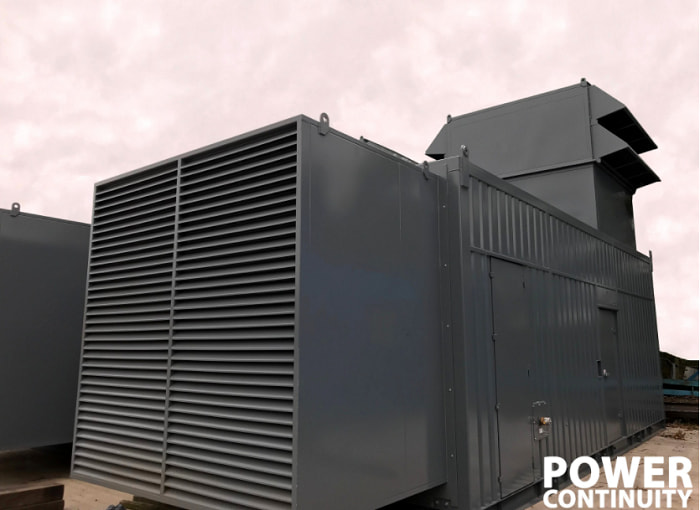
4- Allowable Back Pressure: Evaluate the generator's operating specifications and identify the maximum allowable back pressure for the exhaust system. Ensure that the selected system can maintain a suitable back pressure to avoid performance issues or damage to the generator.
5- Availability: Assess the availability of the chosen exhaust system. Confirm if the system is readily accessible through local suppliers or manufacturers. Availability of spare parts and service support is crucial for efficient and timely maintenance and repairs.
6- Appearance: Consider the aesthetics of the generator exhaust system, especially if it will be visible to employees, customers, or visitors. Choose an exhaust system that blends well with the surroundings or consider options for custom finishes or designs.
7- Proximity to Other Components or Personnel: Evaluate the proximity of the exhaust system to other critical components or personnel. Ensure that the selected system meets safety guidelines, including proper ventilation and heat dissipation, to prevent any risks to nearby individuals or equipment.
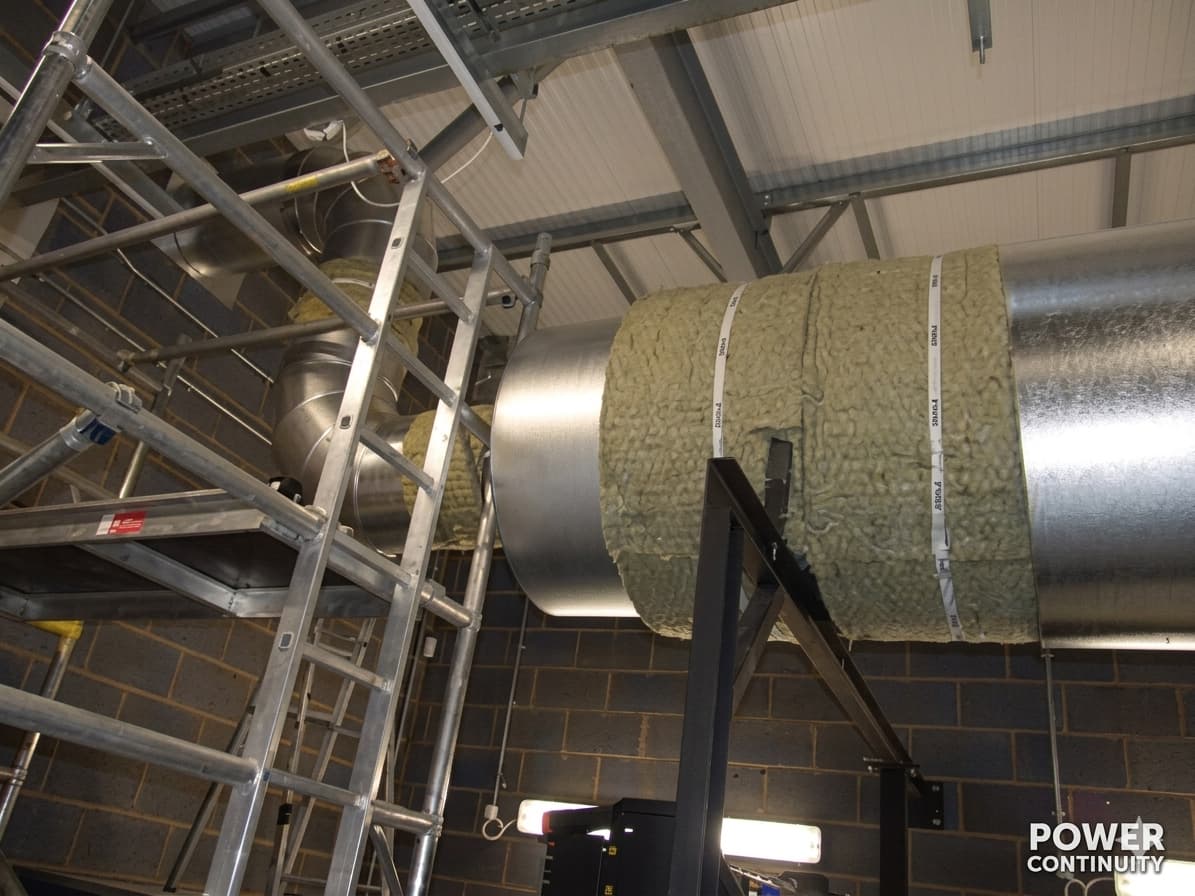
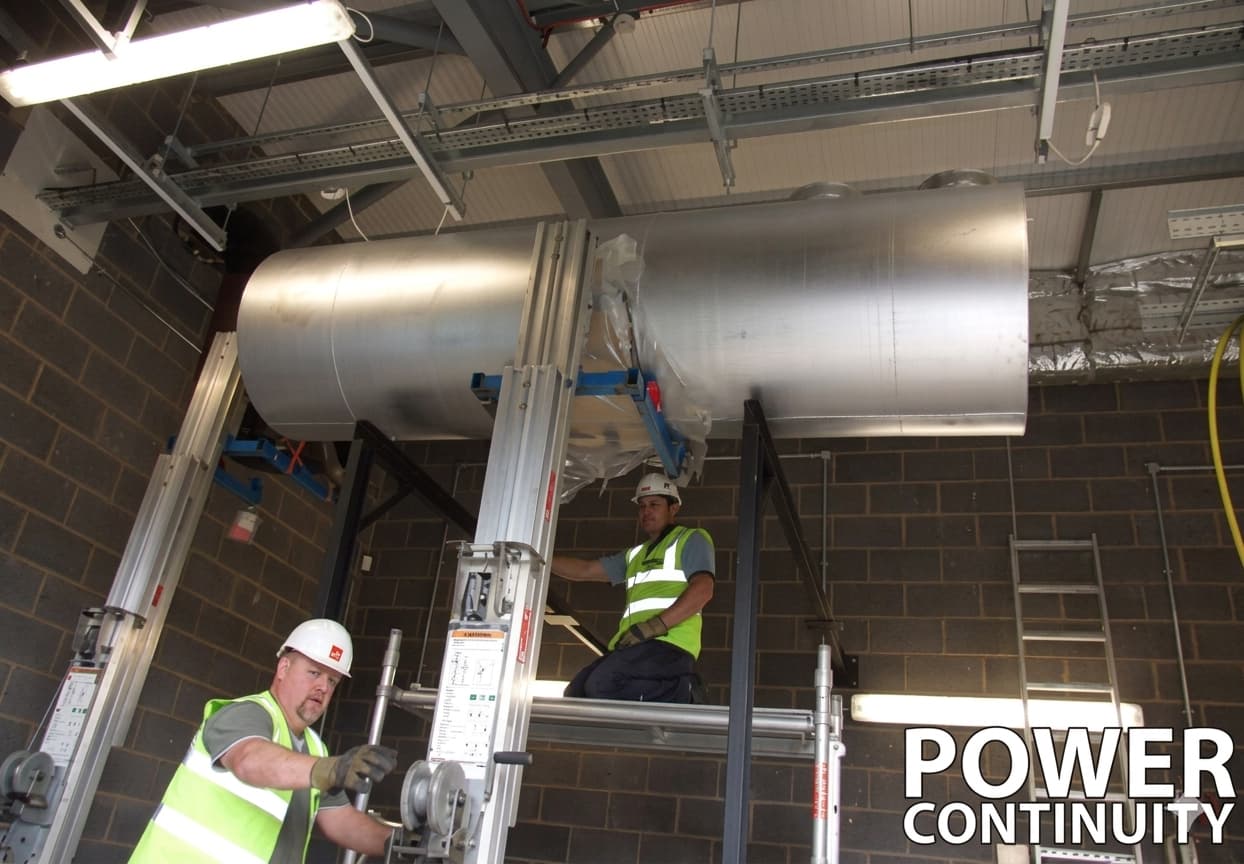
As a general rule, an increase in silencer size will improve the silencing level. Also, an increase in noise suppression for a given silencer volume will normally increase exhaust restriction and back pressure. A round silencer is preferable, as it has a greater tendency to contain sound rather than allowing it to escape through a flat surface. Double-wrap tubing and a double-wall surface will also help to contain sound.
Silencers providing two levels of silencing are generally available:
Industrial silencers (approximately 15 to 20 decibels of suppression).
Residential/critical silencers (approximately 20 to 30 decibels of suppression).
Commonly, the exhaust inlet and outlet are on the ends of the silencer. However, they can also be on the sides, and this often simplifies the exhaust piping installation.
Preventing Generator Exhaust System Issues
Rainwater should be prevented from getting into the exhaust outlet. A counterbalanced, flap-type rain cap is usually the best option and can be used in many varied applications. On the other hand, conical-shaped and other similar ventilating covers are seldom practical as they can cause a high pressure drop.
Consideration should be given to the aesthetics of the exhaust outlet point. Bear in mind that gas carbon deposits may accumulate on nearby structures.
It is important to incorporate a condensate trap and drain valve into the exhaust piping design. Why? Because the diesel vapour. This should be located as close as is practically possible to the engine.
For multiple-engine installs, give careful thought when combining several exhausts into one. Problems may arise if Generator exhaust systems gas finds its way into a non-operating engine whilst other engines are running. Avoid the use of check valves within the exhaust pipe runs, as they have a tendency to freeze or become inoperative.
It is also important to allow for movement between the exhaust piping and the engine. This will help prevent exhaust system components from becoming stressed or damaged due to engine mount flexibility or thermal growth.
The temperature of generator exhaust systems gas leaving the engine is generally in the region of 500°C. The piping may therefore be insulated in the same manner as steam pipes to minimise the heat radiated to the room.
If you’re looking for a Diesel Generator Exhaust System, call us on 0845 055 8455, we’re here to help!