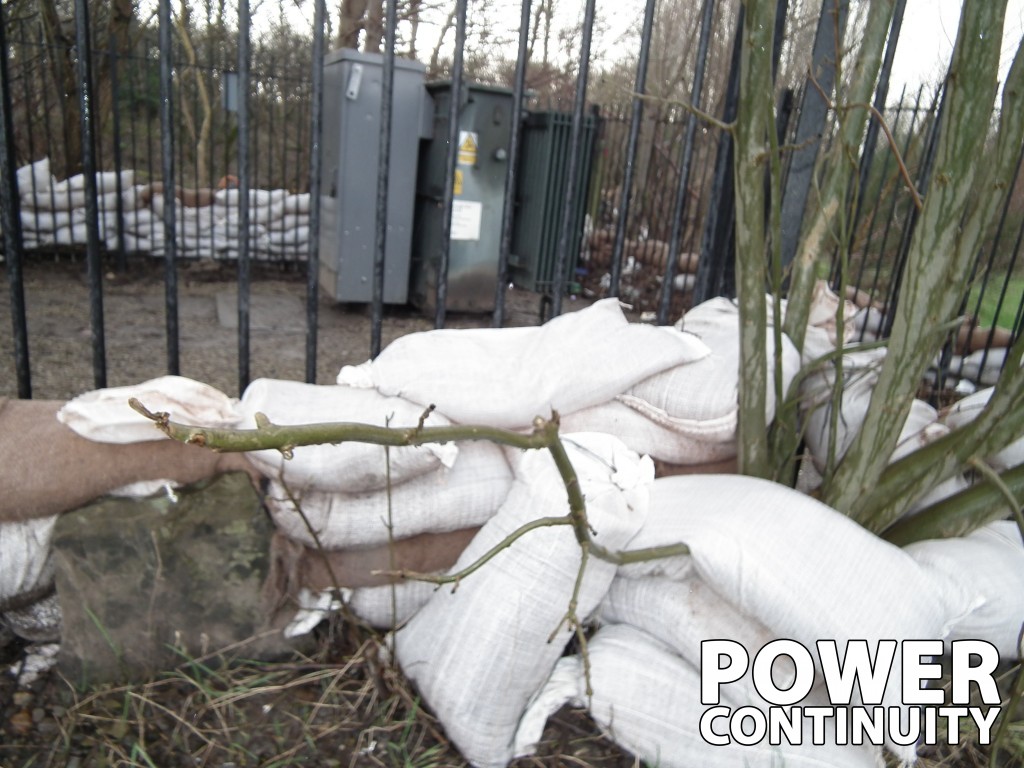
Establish a substation higher than surrounding ground?
Positioning substations on higher ground reduces flood risk, protecting equipment and ensuring power continuity. Elevated sites improve grid resilience, reliability for critical sectors, and deliver long-term cost savings by avoiding flood damage repairs. This approach also supports environmental sustainability by minimising disruption-related emissions — making higher ground placement a strategically sound infrastructure decision.
Building substations on higher ground offers numerous advantages, particularly in flood-prone areas. Key benefits include:
- Flood Mitigation: Elevated sites reduce flood risk, protecting equipment and maintaining power continuity.
- Enhanced Resilience: Higher substations are less vulnerable to damage from external factors such as flooding, thereby strengthening the electrical grid.
- Improved Reliability: Substations built on elevated terrain ensure a consistent electricity supply, essential for critical sectors like healthcare and manufacturing.
- Cost Savings: While initial construction may be more expensive, avoiding flood damage leads to long-term savings in repairs and outages.
- Environmental Considerations: Elevated substations help minimize the environmental impact of flood-related disruptions and align with sustainability efforts.
These factors make locating substations on higher ground a crucial decision.
Building a substation higher than the surrounding ground offers numerous benefits and is an important consideration in ensuring the reliable supply of electricity.
Here are some reasons why it is advantageous to construct substations on higher ground:
Flood Mitigation: One of the primary advantages of building a substation on higher ground is flood mitigation. By elevating the substation above the surrounding ground, the risk of inundation and damage caused by flooding events is greatly reduced. Floodwaters have the potential to disrupt equipment and cause electrical failures, which can lead to prolonged power outages. Placing substations on higher ground minimises the likelihood of flood-related incidents, ensuring the continuity of power supply.
Enhanced Resilience: By locating substations on higher ground, their overall resilience is improved. Elevated substations are less susceptible to damage from external factors such as rising water levels or ground saturation. This resilience strengthens the robustness of the electrical grid, enabling it to withstand adverse conditions and recover more swiftly from disruptive events.
Improved Reliability: Substations on higher ground provide improved reliability in flood-prone areas. By minimising the risk of equipment damage and failures due to flooding, these substations can ensure a consistent supply of electricity to consumers. Reliable power supply is crucial for various sectors, including healthcare, manufacturing, and essential services, where interruptions can have significant consequences. Placing substations on higher ground helps mitigate disruptions, ensuring a stable and reliable power grid.
Cost Savings: Building substations on higher ground can lead to long-term cost savings. While the initial investment in constructing substations on elevated terrain may be higher, it is often outweighed by the cost savings from avoiding repairs and downtime caused by flood damage. Repairing flooded substations can be expensive and time-consuming, resulting in financial burdens for consumers and utility companies. By minimising flood-related damage, higher ground substation placement reduces costs associated with repairs and downtime, benefiting both the economy and end-users.
Environmental Considerations: As climate change leads to increased frequency and intensity of flooding events, there is growing recognition of the importance of environmental considerations in infrastructure planning. Building substations on higher ground aligns with sustainability principles by minimising the negative environmental impact of flood-related electrical disruptions. Avoiding extended power outages, emergency response activities, and subsequent repair work reduces energy wastage and associated harmful emissions.