Energy Storage Systems (BESS) – TRIAD
The Triad charging system, implemented by National Grid in the early 1990s, is designed to recoup transmission costs and manage electricity demand, particularly during winter peak periods. It calculates charges based on the three highest demand half-hours from November to February, which are determined after the fact and aim to encourage large users to flatten their demand. Half hourly metering applies to all consumers above 100 kW, helping maintain network efficiency and reducing the need for additional generators. Tariffs for the 2015/2016 period vary by zone. Energy Storage Systems (BESS) help businesses manage costs by allowing them to switch to stored energy during peak demand times, avoiding operational disruptions.
What is TRIAD?
The Triad charging system is a charging mechanism adopted by National Grid in the early 1990’s to 1) recoup the Network Transmission costs and 2) manage demand.
As one of the major challenges to the National Grid is dealing with peaks in demand for electricity, which occurs during the winter months, it is this moment of peak demand that is used to determine how much large companies (those on half hourly metering) should pay for the transmission element of their energy bill. Although half hourly metering was originally introduced for large industrial and commercial users of electricity such as steelworks, cement factories and railways, nowadays all users with more than 100kW demand are on half hourly metering. The Triad period itself are the three half-hours of highest demand on the UK electricity transmission system between November and February each year with the proviso that they are at least 10 days apart (this is to avoid all three potentially falling on the same day if, for example, the temperature is particularly low). National Grid does not forecast the Triads and they are not known in advance. Instead they use data after the event to work out the three Triad periods. The benefit of this is that customers wanting to reduce their costs try and limit peaks throughout the entire Winter period, which therefore flattens out demand. The ‘smoothing’ effect of the Triad system on electricity demand helps to keep the network running more efficiently, reduces the need for new generators and helps to maintain the safety margin between supply and demand.
2015/2016 Demand Tariffs
| | | | | | --- | --- | --- | --- | | Zone | Zone Name | HH Demand Tariff (£/kW) | NHH Demand Tariff (p/kWh) | | 1 | Northern Scotland | 23.469195 | 3.388532 | | 2 | Southern Scotland | 26.789320 | 3.559740 | | 3 | Northern | 32.617844 | 4.283661 | | 4 | North West | 35.683316 | 4.874799 | | 5 | Yorkshire | 36.287690 | 5.185476 | | 6 | N Wales & Mersey | 35.620770 | 5.679363 | | 7 | East Midlands | 39.066214 | 5.234958 | | 8 | Midlands | 39.629994 | 5.487374 | | 9 | Eastern | 41.176427 | 5.539798 | | 10 | South Wales | 37.608777 | 5.245539 | | 11 | South East | 43.738784 | 5.808134 | | 12 | London | 46.237472 | 6.011081 | | 13 | Southern | 44.786928 | 6.088292 | | 14 | South Western | 43.979049 | 5.807268 |
What do Energy Storage Systems have to do with TRIAD?
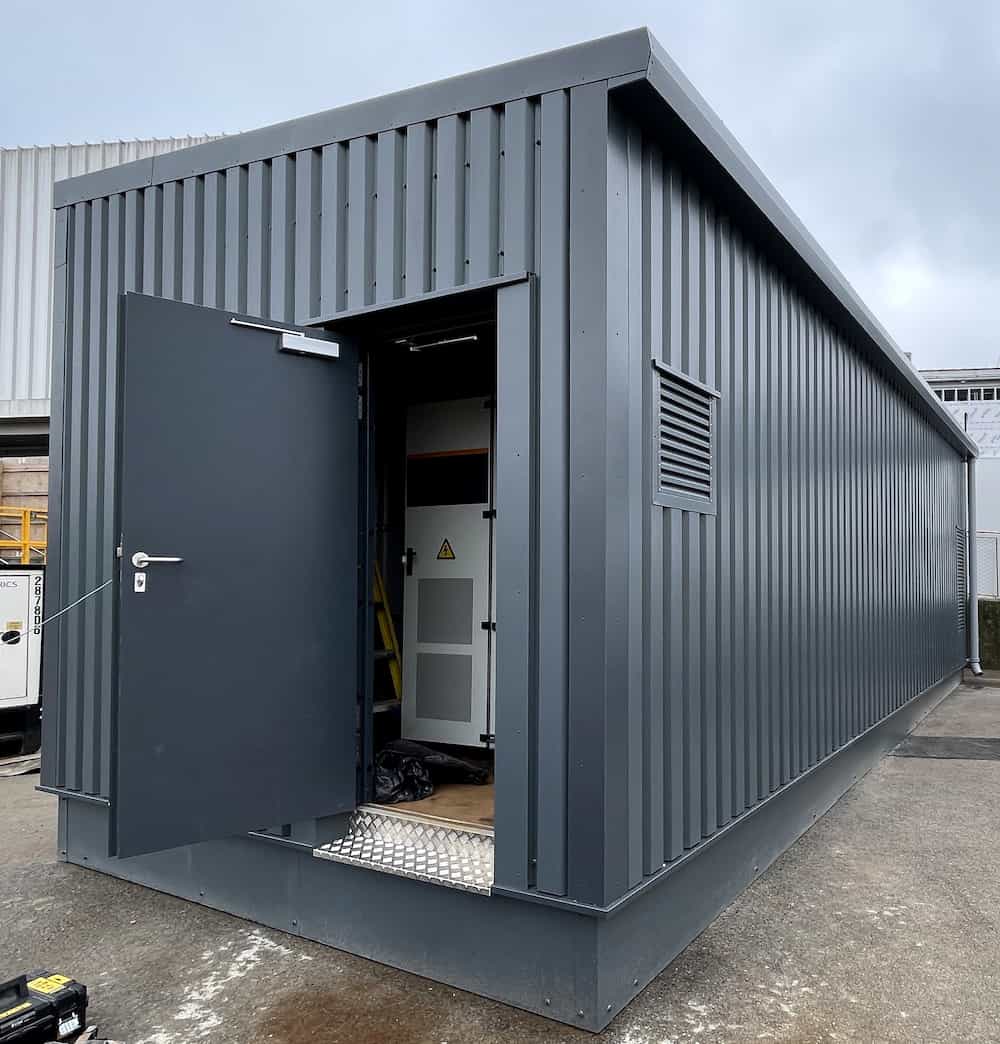
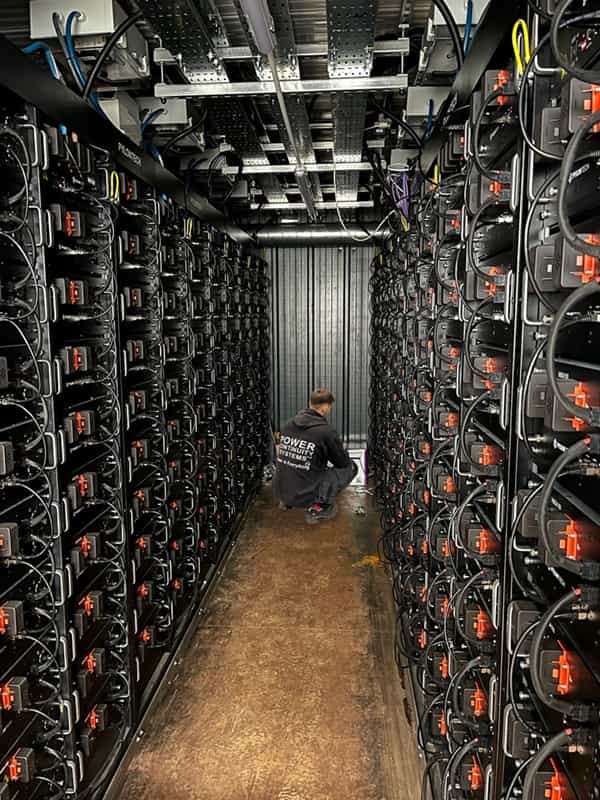
Energy Storage Systems (BESS) offer users the potential to minimise their energy costs whilst still being able to operate. Many large energy users shut down operations when they think a Triad period is going to occur but this can be highly disruptive to their business operations and potentially can cost them a lot of money in missed revenue, etc. With an energy storage system, the business can make the decision to switch over to the ESS during the daily peak in usage and run entirely off grid.
If you’re looking for a Battery Energy Storage System, call us on 0845 055 8455, we’re here to help!