Energy Storage Systems (BESS) – Frequency Response.
Energy Storage Systems, particularly battery energy storage systems (BESS), are crucial for supporting the National Grid by quickly restoring frequency during power station outages. Unlike traditional generators, BESS can respond within seconds, which is essential for maintaining grid stability. The frequency of the electrical power system is tied to the balance between power generation and demand, with the National Grid required to maintain it within ±1% of 50.00Hz. To achieve this, they ensure sufficient generation capacity, utilize demand response programs, and employ advanced control systems. Overall, BESS provide a rapid and flexible solution to frequency regulation challenges, enhancing grid reliability and integrity.
What do Energy Storage Systems have to do with Frequency?
Energy Storage Systems, particularly battery energy storage systems, play a vital role in supporting the National Grid by helping to increase frequency during contingencies such as power station outages. When such events occur, it is crucial to restore frequency within seconds, and battery energy storage systems are capable of promptly responding to the Grid's requests.
Unlike other frequency response systems that rely on traditional power generators to increase their output, battery energy storage systems offer a significantly quicker response time. The Grid requires frequency restoration to happen within two seconds, and batteries can fulfil this requirement due to their ability to discharge power rapidly.
While other frequency response systems, such as traditional power generators, can increase their output relatively quickly (i.e., within minutes), battery energy storage systems are capable of responding at a much faster rate. This quick response time is essential for maintaining the stability and reliability of the electrical grid.
By leveraging battery energy storage systems, the National Grid can effectively manage frequency fluctuations and ensure that power supply remains stable, even in the event of sudden power station outages.
The instantaneous response from battery energy storage enhances the resilience of the grid, minimising the risk of power disruptions and other associated issues.
Battery energy storage systems provide the Grid with a flexible and rapid solution to frequency regulation challenges. These systems provide instant response capabilities, allowing for swift adjustments in output as needed to maintain the grid frequency within acceptable limits. Their agility and rapid response time make them an invaluable asset in balancing supply and demand, enhancing grid stability, and supporting overall system reliability.
What is system frequency?
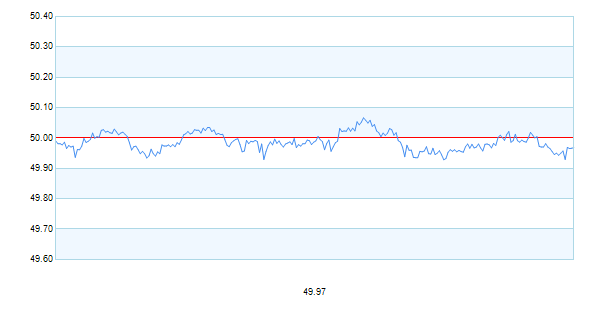
The frequency of an electrical power system is inherently linked to the balance between power generation and demand. When power demand exceeds generation, the system frequency decreases, whereas if generation exceeds demand, the frequency increases. The system frequency is a dynamic variable that constantly changes based on the real-time equilibrium between demand and total generation.
In the UK, the National Grid has a legal obligation, as stated in the 'Electricity Supply Regulations', to maintain the system frequency within specific limits. These limits are typically set at ±1% of the nominal system frequency, which is 50.00Hz. To fulfil this obligation, the National Grid must ensure that it is prepared with sufficient generation capacity and/or demand response capabilities to manage all plausible scenarios that could potentially cause the frequency to exceed these limits.
To maintain system frequency within the specified range, the National Grid deploys a combination of measures. Firstly, they ensure that there is an adequate amount of generation available to meet demand at any given time. They continuously monitor the demand-supply balance and adjust the generation output accordingly. Additionally, the National Grid relies on demand response mechanisms to manage sudden changes in demand by incentivising consumers to reduce or increase their electricity consumption during critical periods.
Furthermore, the National Grid has implemented sophisticated control systems that continuously monitor and regulate the system frequency. These systems employ various techniques such as automatic generation control (AGC) and frequency response services to maintain frequency stability within the defined limits.
By proactively managing the generation-demand balance, implementing demand response programs, and deploying advanced control systems, the National Grid fulfils its obligation to maintain the system frequency within the prescribed limits. These measures ensure the reliable and stable operation of the electrical power system, safeguarding the overall grid integrity and power supply to consumers.