Energy Storage Systems (BESS) – Explained
Energy Storage Systems (BESS) are vital for achieving the UK's renewable energy targets, which include having over 30% renewable electricity by 2050 and an 80% reduction in carbon emissions from 1990 levels. Key renewable sources like solar PV and wind face challenges due to their unpredictability, leading to potential surges that the National Grid must manage. BESS can store excess renewable energy and supply it during peak demand, supporting a Smart Grid solution. Various storage technologies include VRLA batteries for cost-effectiveness, Lithium Ion batteries for efficiency, Vanadium Flow batteries for long lifespan, Sodium Nickel batteries for extreme conditions, and Liquid Metal batteries for regeneration benefits. BESS is crucial for stabilizing power supply amidst increasing renewable energies.
Energy Storage Systems (BESS)
Energy Storage Systems is the only way to achieve the renewable energy targets for the UK.
Presently, over 20% is renewable energy (this includes both electricity, heating and transportation). Depending on the scenario this equates to 30% renewable electricity usage. Furthermore, the target is a reduction of carbon emissions by 80% of 1990 levels by 2050.
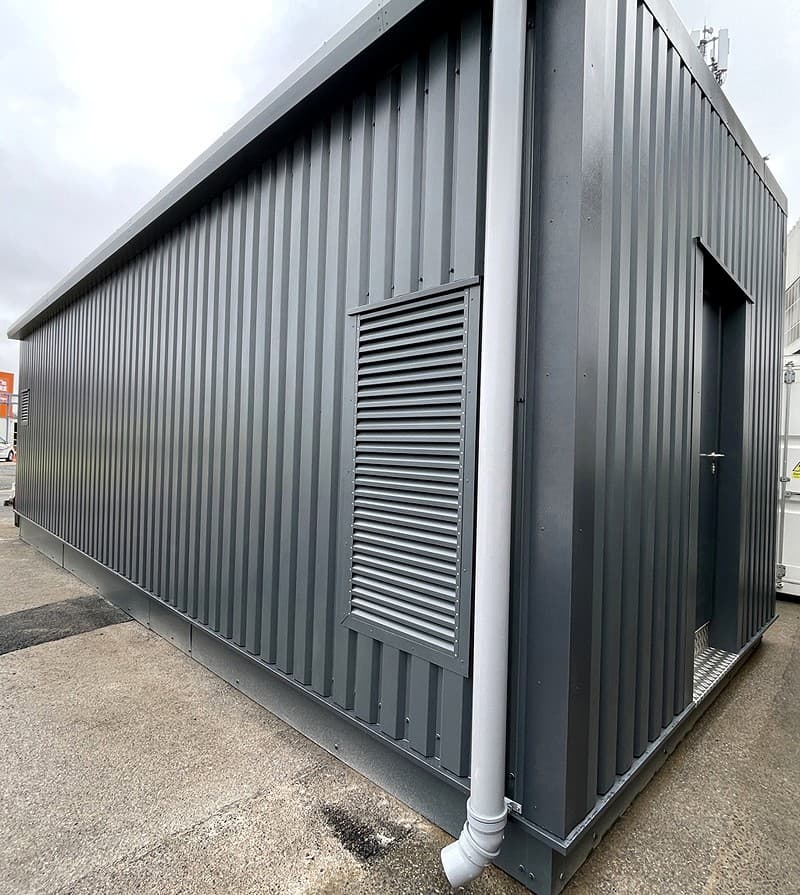
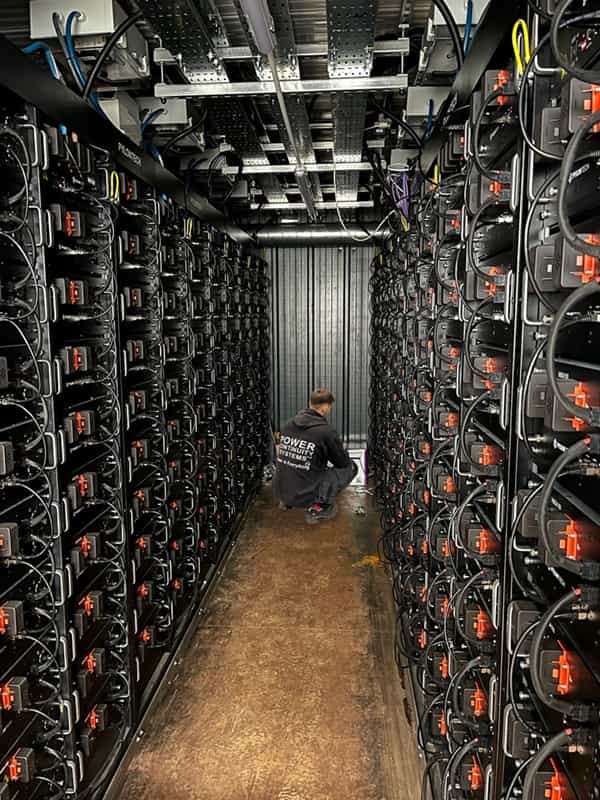
Solar PV Panels and Wind Turbines
The Government and private companies are investing considerably in solar pv panels and wind turbines. As well as Energy Storage Systems (BESS)
However, renewable energy sources pose quite a challenge to the National Grid. For instance, solar pv power, which we get from the sun’s energy, is only generated when the sun is above the horizon, unimpeded by clouds. Allowing a large peak being achieved during the middle of the day. At night solar generates zero power. Wind power similarly depends on whether the wind, blowing or not. Although is planned for when selecting the best areas for wind turbines is still unreliable. One day all your wind turbines could be generating their near maximum capacity and the next they could be outputting 10% or less of their capacity. Non-renewable power stations, on the other hand, such as gas and coal are pretty constant at outputting the same output day in day out.
The unpredictability of renewable energy means that the grid has to cope with these surges of power (which often occur when the actual UK demand for energy is quite low in comparison to its peak) potentially having to pay operators to disconnect their systems from the Grid. At the other end, a lot of renewable energy capacity is not available when the daily peaks in power usage occur. Energy storage promises to solve this by storing excess energy from renewables and feeding this into the grid when the peak power demand occurs. This is all part of a Smart Grid, which can automatically decide when to store the energy and when not to do so. When it comes to energy storage systems, there are a number of different storage technologies that are used. Current technologies include:
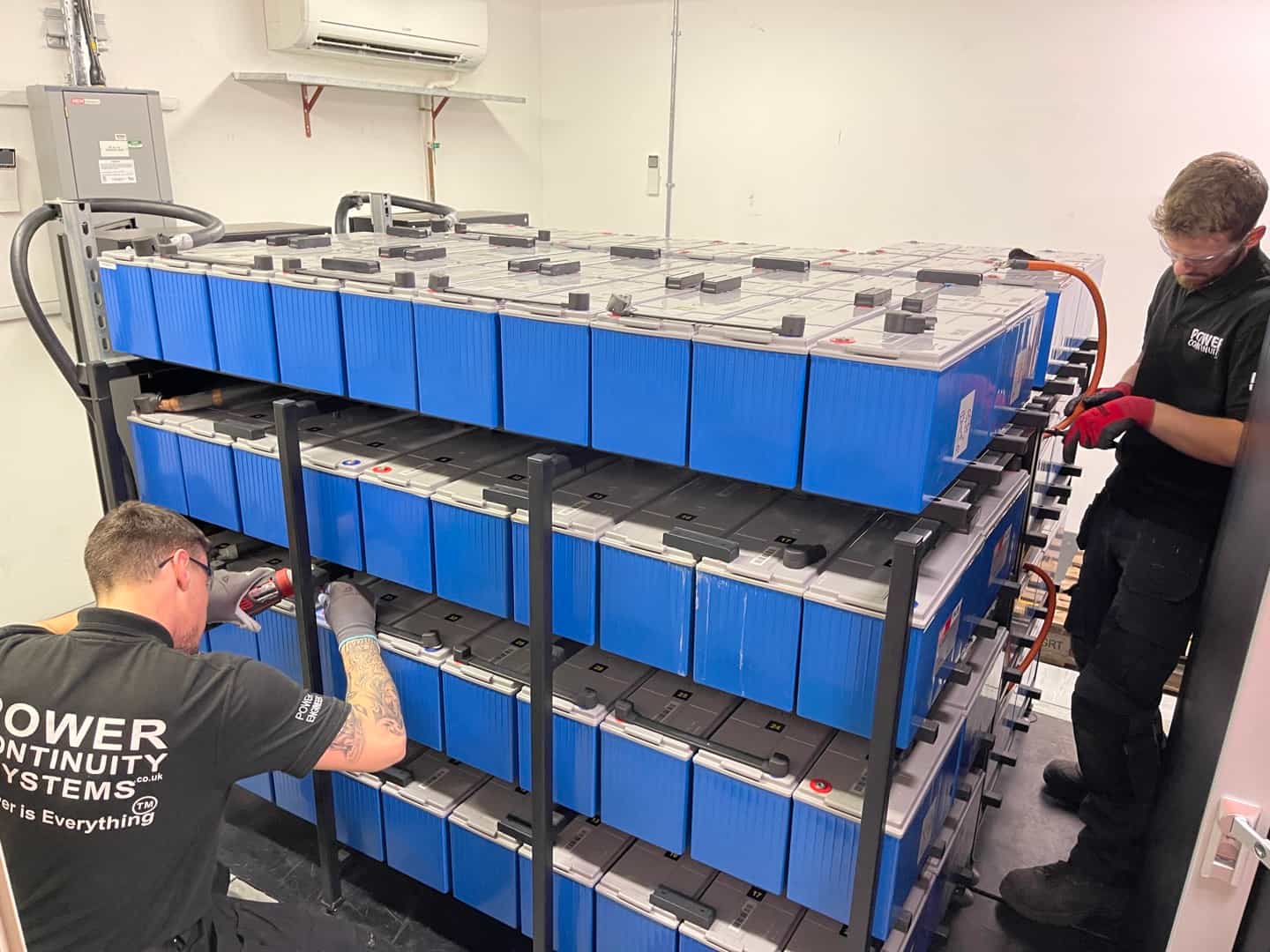
VRLA or valve regulated lead acid batteries.
These are the batteries used in Uninterruptible Power Supplies. They have been around since 1934, the cost is relatively low in comparison to other battery technologies. Deep cycle VRLA batteries are the type most suited to energy storage to ensure that they have a long enough life span for this use.
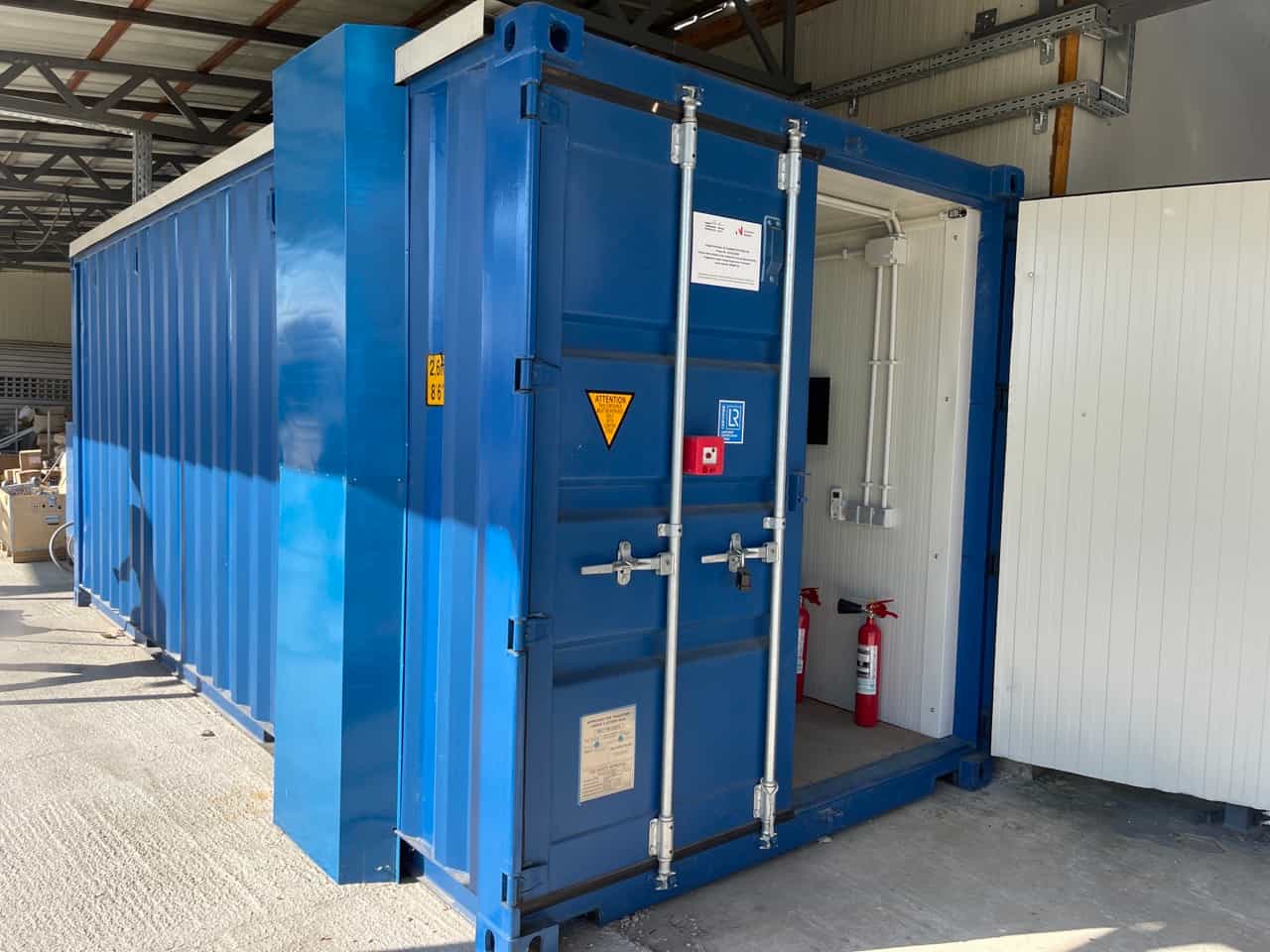
Lithium Ion batteries.
Lithium Ion batteries are commonly found in modern consumer electronics. For example, a smartphone. They have a high energy density with the potential for even higher capacities (lithium ion technology is constantly changing and improving).
The main benefit:
– can be charged/discharged more often that VRLA batteries.
– less deterioration in terms of storage capacity of longevity of product.
The main downside:
– the cost is coming down progressively.
Vanadium Flow batteries.
This battery uses vanadium ions to store chemical potential energy. They are currently quite bulky in size, nevertheless offer the ability to completely discharge without any adverse effects. Also a long life time of 20 plus years.
Sodium Nickel batteries.
These batteries use molten salt as the electrolyte. The cells themselves operate at 270+ degrees Celsius and are insulated so that the external chassis is just above ambient temperature. This allows the batteries to withstand greater temperature extremes.
Liquid metal batteries.
This battery technology uses liquid metals as both the electrodes and the electrolyte. As there is a constant regeneration between cycles, the electrodes do not degrade with time. The cost of liquid metal is currently the main stumbling block.
If you would like to know more about Battery Energy Storage System, call us on 0845 055 8455, we’re here to help!