Diesel Generator Temperature Issues and how to Fix
This page discusses issues related to diesel generator temperatures and their impact on performance. Key points include: 1. Temperature Issues: Defective indicators and improperly installed temperature bulbs can lead to inaccurate readings. 2. Coolant Pressure and Level Indicators: Common failures result from loose connections, sediment buildup, and neglect of maintenance. 3. Cold Weather Starting Problems: Factors contributing to starting issues include congealed fuel, battery voltage drops, higher power requirements for cold starts, and the importance of using proper lubricating oil. Recommendations include using suitable fuel, ensuring batteries are fully charged, and employing starting aids.
If you are having Diesel Generator Temperature Issues check if the temperature indicator reads too high/low:Diesel Generator Temperature Issues
1. Defective temperature indicator.
2. Temperature bulb not installed into the flow path.
Coolant Pressure and/or Level Indicator Fails to Function
1. Loss of calibration and loose electrical connections due to excessive vibration.
2. Accumulation of sediment in the housing.
3. Lack of maintenance.
Starting Engines in Cold Weather
There would be no weather problems if all powered sets were kept in heated engine rooms; this obvious statement is omitted from the following “Preventions and Corrections.” The “Troubles” are those which are actually caused by the engine’s exposure to cold weather at approximately 0° F (-18° C), as they are related to engine starting.
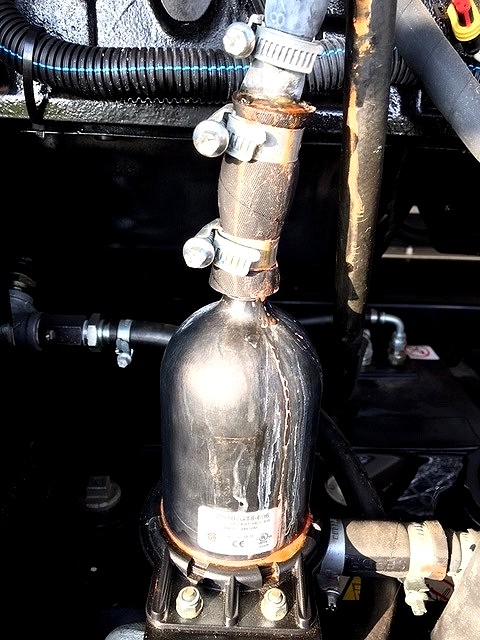

Diesel Generator Temperature Issues causing Start Problems – Their Causes, Prevention and Correction
1. Congealed or frozen fuel that cannot be pumped or injected readily. Use fuel of lower viscosity, higher cetane rating and with less wax content.
2. Cold fuel is harder to heat by compression to the ignition temperature. The difference between heating 80° F (27° C) fuel and 0° F (-18° C) fuel to ignition temperature has about the same effect as 2 points of compression ratio – 16:1 compared to 14:1 etc. Use fuel of higher cetane rating which ignites at lower temperature. Batteries must be of adequate capacity to crank engine at effective cranking speed.
3. Battery voltage drops in cold weather. A fully charged battery at 0° F (-18° C) has only
about 46% as much power as at 80° F (27° C).
a) Keep batteries fully charged.
b) A trickle charge heats the battery.
c) A higher capacity battery has more power and cranks the engine faster and longer before discharge.
4. The engine requires 2.5 times the power to crank at 0° F (-18° C) as at 80° F (27° C) mainly due to thicker oil and grease, and increased friction. Therefore, use higher capacity batteries and lubricating oil of proper viscosity.
5. Engine cranks at sufficient speed but fails to start during cold weather.
Always ensure the proper use of starting aids in very instance.
If you’re experiencing Diesel Generator Temperature Issues, call us on 0845 055 8455, we’re here to help!