Battery Maintenance - How to Test, Check & Maintain VRLA Batteries.
Battery maintenance is key for optimal performance, focusing on cleanliness, proper connections, and electrolyte levels. Key points include:
- Keep battery tops and terminals clean.
- Apply protectant to terminals to prevent corrosion.
- Ensure terminals are properly tightened.
- Regularly check and maintain electrolyte levels.
- Inspect alternator/generator belts for wear.
Before testing, a thorough visual examination is vital to check for corrosion, electrolyte levels, loose terminals, and external damage. Conduct hydrometer testing to assess specific gravity and charge, ensuring readings are within a 0.030 point range. Consult trained technicians for maintenance to avoid accidents and ensure efficacy. Vigilance in care can enhance battery longevity and reliability.
Battery Maintenance
Maintaining and testing your VRLA batteries is crucial for their optimal performance. Here are some simple steps to follow:
1. Always keep VRLA battery tops and terminals clean.
2. Apply a thin coat of petroleum jelly or a similar protectant to terminals and connections. This helps prevent corrosion and ensures a clean electrical connection.
3. Ensure that terminals are tightened appropriately, but avoid over tightening, as it can damage the terminals and connections.
4. Regularly check the electrolyte level in batteries and ensure it is maintained between 3mm (1/8") to 6mm (1/4") above the top of the plates. If topping up is necessary, only use distilled water or chemically pure water to avoid impurities that could damage the battery.
5. Inspect the alternator/generator belt regularly for signs of wear. Adjust the tension of the belt according to the manufacturer's recommendations. It is important to keep the belt tight to ensure proper operation without causing excessive strain.
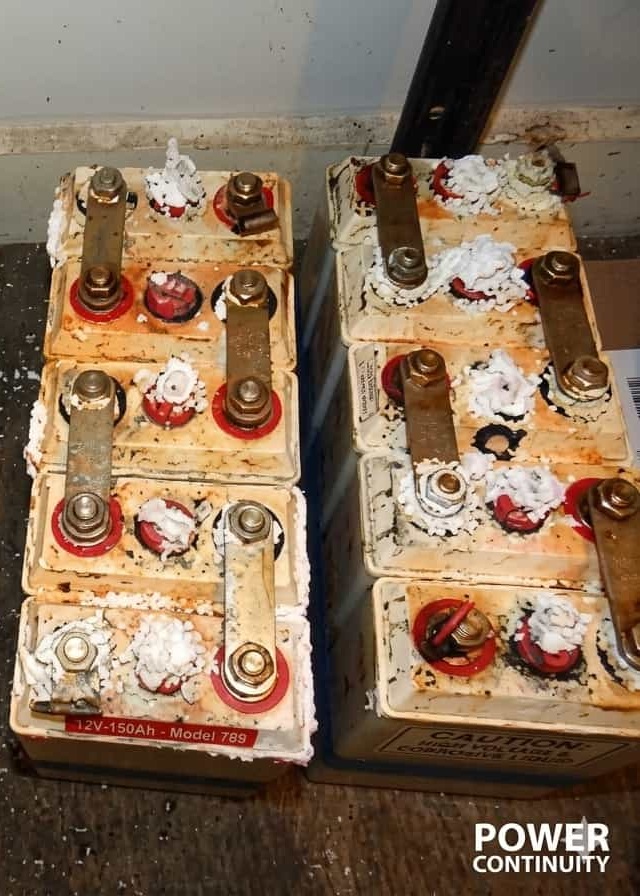
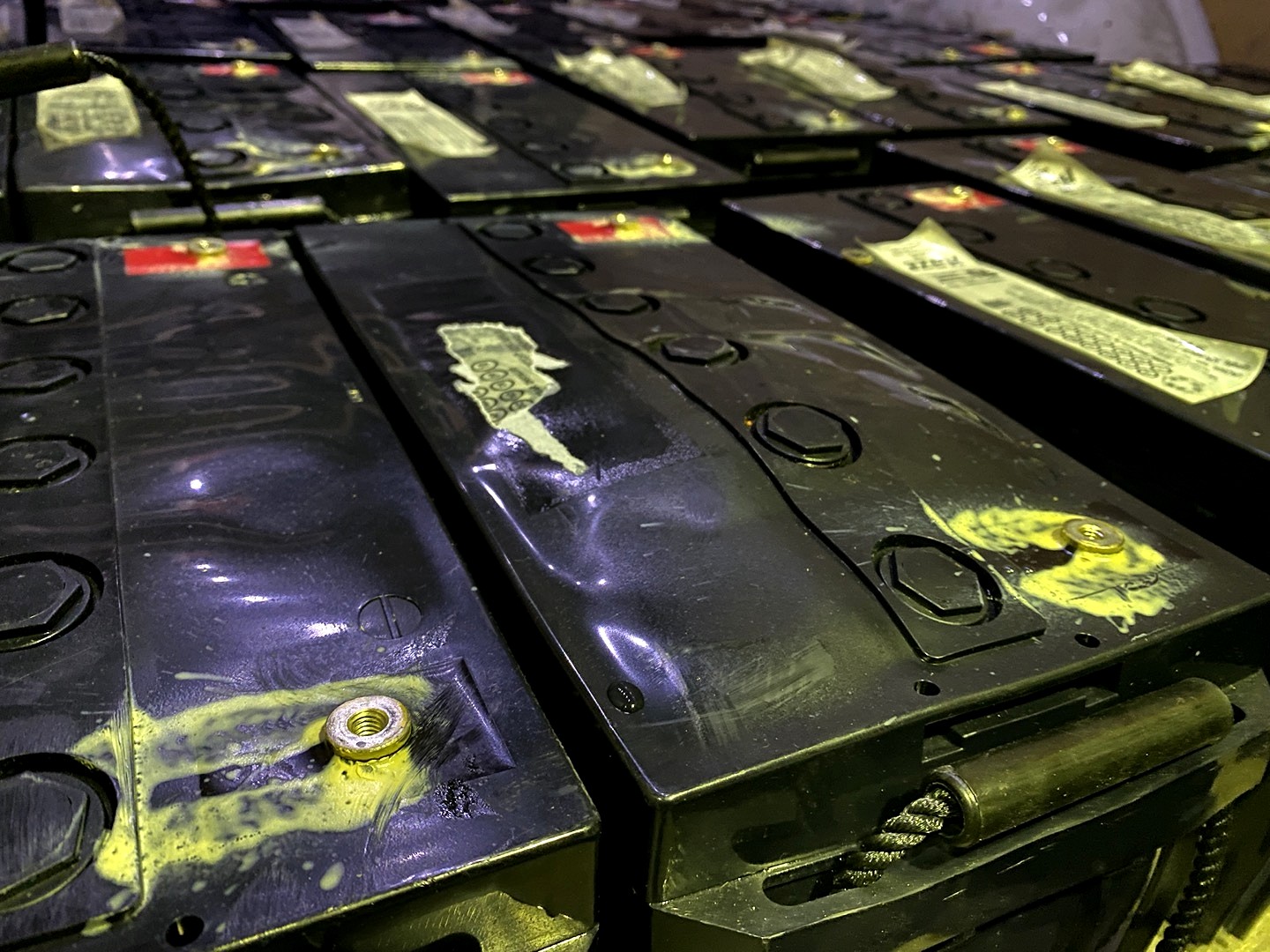
Before conducting any instrument-based tests on a battery, it is crucial to prioritise a comprehensive visual examination. This preliminary step holds significant value as it can offer vital insights into the battery's current state and guide the subsequent testing strategy. Initiate the visual examination process by meticulously inspecting the battery terminals for any indication of corrosion. Corroded terminals often manifest as a powdery white substance surrounding the post connections. The presence of such corrosion can impede the battery's ability to charge effectively. If any corrosion is detected, it should be promptly addressed and resolved before proceeding with further tests. Proceed by checking each individual cell of the battery to confirm the presence of an adequate amount of electrolyte. A dry cell is indicative of a cracked casing, which can lead to various performance issues with the battery. Identifying any cracked casings during the visual examination enables appropriate measures to be taken, such as repairing or replacing the battery as necessary.
In addition to the above, it is crucial to thoroughly inspect the battery for any loose terminals or external damage. Loose terminals can disrupt the battery's connections and subsequently diminish its overall functionality. External damage, such as dents or fractures, may also have an adverse impact on the battery's performance. Consequently, it is imperative to carefully observe and document these findings, either by recording them on paper or digitally. This practice ensures the maintenance of a comprehensive log detailing the battery's condition. By conducting a meticulous visual examination, potential issues with the battery can be identified early on, facilitating appropriate action. This step enables necessary tasks such as corrosion cleaning or the replacement of damaged batteries to be undertaken before proceeding with instrumental testing. Furthermore, meticulously documenting the observations serves as an invaluable resource for future reference and comparison.
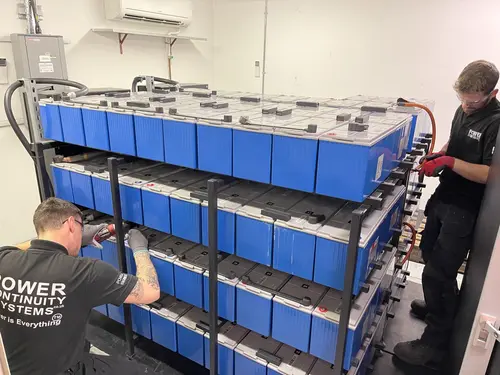
Hydrometer Testing
Use a hydrometer to establish the specific gravity and state of charge of the sulphuric acid in the battery.
Method:
1. Do not add distilled water.
2. Keep the barrel upright. Draw up enough electrolytes from each cell, in turn, to allow the float to ride free.
In some instances means you may need to tilt the battery to obtain sufficient electrolyte. Then, read off the hydrometer at eye level.
1.270 to 1.280 S G Full Charge.
1.220 to 1.230 S G Half Charge.
1.150 to 1.220 S G Discharged.
To ensure the optimal functioning of a battery, it is essential to pay attention to the readings from all cells. Ideally, the readings should fall within a 0.030 point range. Should the variance exceed this limit, it is highly probable that the battery requires replacement. This discrepancy suggests an irregularity that could compromise the battery's overall performance and reliability. Moreover, in cases where all cells consistently display low readings, it is conceivable that the battery may still function adequately in the short term. However, it is strongly recommended to prioritise a replacement as soon as possible. This precautionary measure mitigates the risk of unexpected battery failure, which could result in inconvenient or even hazardous situations. When it comes to battery maintenance, it is of utmost importance to entrust the task to a trained technician who specialises in working with batteries. These professionals possess the expertise and knowledge required to handle batteries safely and effectively. Attempting battery maintenance without the necessary training can lead to accidents or worsen any existing issues. By following these guidelines, the battery's performance can be optimised, ensuring its longevity and reliability.
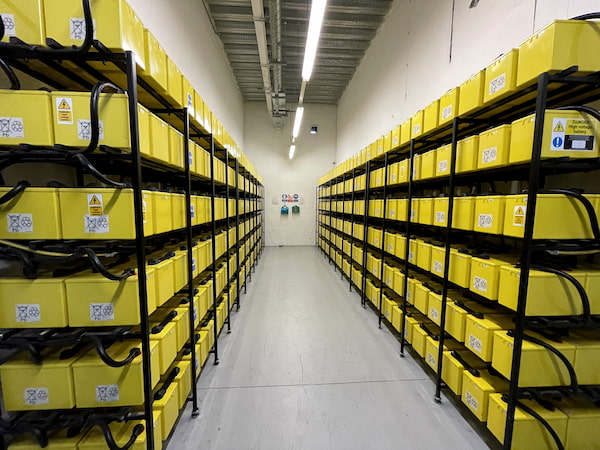
Regularly monitoring the cell readings and promptly addressing any abnormal variances can reduce the likelihood of unexpected battery failure. Relying on trained technicians for battery maintenance guarantees adherence to proper safety protocols and maximises the chances of detecting and resolving potential issues. Remember, vigilance in battery care is key to avoiding inconvenience, hazards, and unnecessary expenses.
If you’re looking for Battery Maintenance, call us on 0845 055 8455, we’re here to help!