7 most common UPS faults
The most common UPS-generator faults involve failure to start (often due to battery or fuel issues), overheating (from poor ventilation or coolant problems), unstable voltage output, and battery degradation. Fuel contamination or leaks, along with wet stacking in diesel generators, reduce efficiency and reliability. Control panel alarms, synchronization issues, and poor maintenance further contribute to system failures. These problems can lead to unexpected downtime, equipment damage, and safety risks. Regular maintenance, proper load management, and timely inspections are crucial for preventing faults. Ensuring clean fuel, functional batteries, and correct system configuration enhances performance and longevity of both UPS and generator systems.
The 7 most common UPS faults that we frequently deal with during client call outs are listed below.
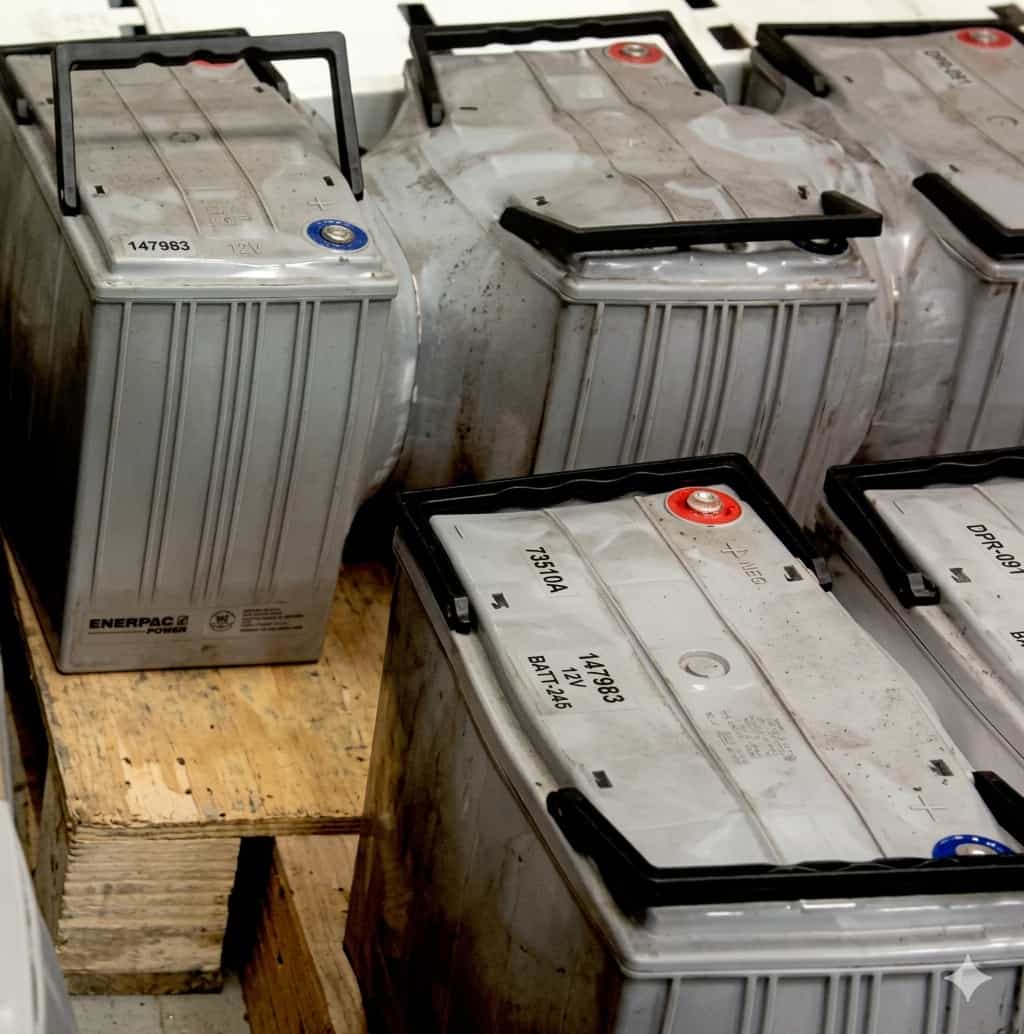
Batteries: old batteries not changed by the 'use by date': Batteries deteriorate over time and can eventually fail, resulting in loss of power protection. Regular battery maintenance is essential to identify and replace faulty batteries in a timely manner.
UPS environment: The ambient (working temperature) of any UPS is 22°C. A higher temperature can cause the UPS to go into bypass. A temperature lower than 18°C will cause the batteries a reduced working life cycle.
Ventilation: A UPS room must have adequate ventilation to remove the heat from the UPS.
Water damage: Flooding or leaks from the floor above will cause the UPS to fail.
Imbalance load: If the three phases of the UPS are heavily imbalanced this would cause the UPS in time to fail. Always have equally balance load across the three phases. NEVER load all on one phase.
All of the above will cause an alarm which is visible on the UPS display as well as an audible alarm.
Incorrect Switching: Often we hear of UPS’s that are severely damaged. This is especially the case on older UPS units. Likely, this is due to them being switched incorrectly. normally in conjunction with an external maintenance bypass switch). To avoid this, it’s important to remember is to follow any switching procedure carefully. And if in any doubt, leave it to a UPS engineer.
Pressing EPO: Another fault that we frequently experience is the Emergency Power Switch (EPO) been pressed my mistake. The EPO is meant for emergency situations, but mistakenly pressing it can cause unnecessary call outs. It is important to be cautious and ensure that the EPO is not accidentally pressed.
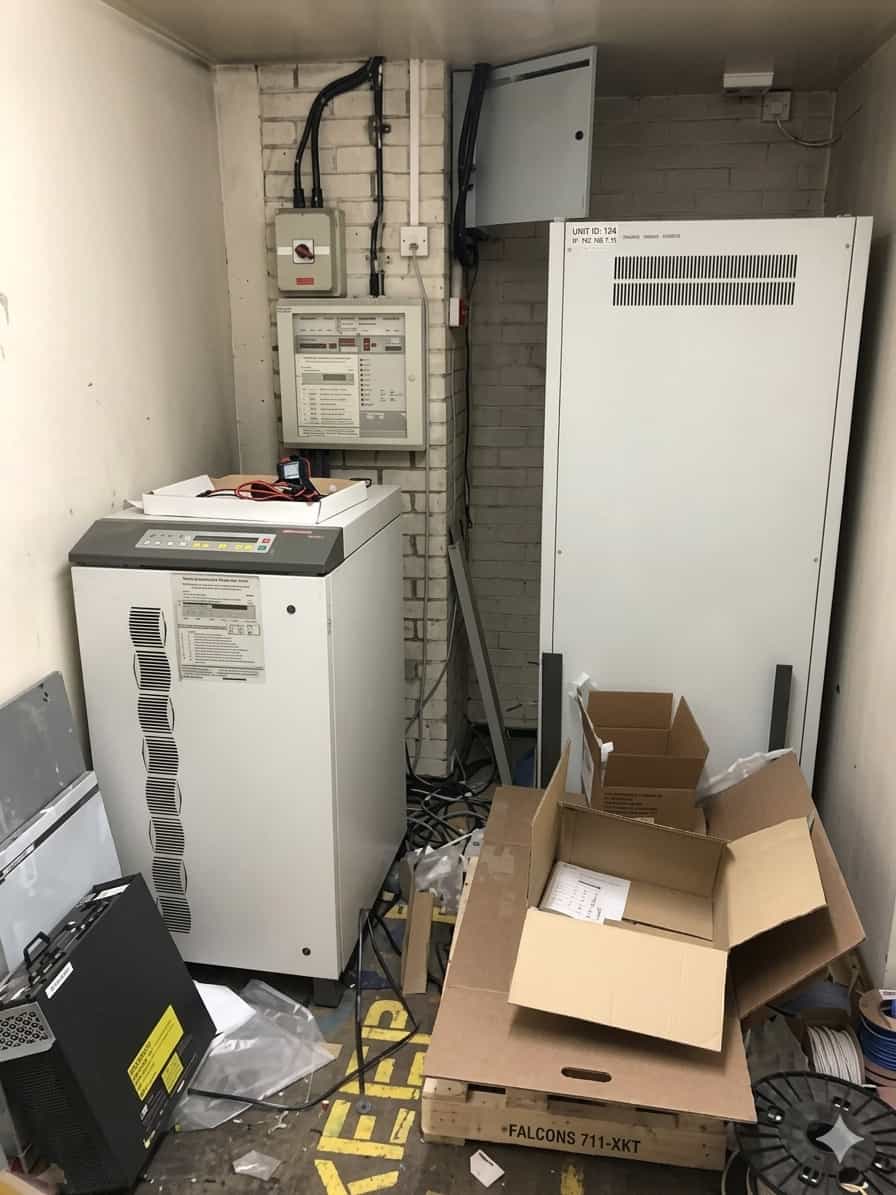
UPS engineers have been called out because the EPO had been pressed. The EPO is the Emergency Power Switch. Good starting point to check.
Prolonged power outage: Will cause the batteries to discharge fully after which the UPS will shut down. (Once the grid supply is restored, the UPS should restart itself unless someone has physically turned it off)
UPS backing up the load: People expect the unit to protect the load indefinitely. Depending on the size and number of batteries, most UPS will only have between 10 minutes and 30 minutes of battery autonomy.
Prolonged outage power will be lost unless your UPS has a diesel generator backup. (If there is a diesel generator backup make sure it is fully fuel and regularly serviced)
The life of a UPS dependant on make environment on load is between 10 to 13 years, after which it must be replaced as components will fail. This is a fact of life and guaranteed.
UPS Internal Electronics
UPS internal electronics consist of hundreds of thousands of electrical connections. As well as electrical joints, sensors, transistors etc. Likewise, over time degradation takes place. Eventually, the UPS needs to be replaced due to age. Watch the video, which gives you an insight to the internal workings of a UPS. You will see just how electronically complex the internal electronics of a UPS actually are.
If you’re looking for a UPS servicing, call us on 0845 055 8455, we’re here to help!