Data Centre Fuel Systems
The critical factors for data centre managers regarding power continuity systems and back-up generators. Key points include: 1. Fuel Tank Size: The size of the fuel tank affects how long a generator can supply power during outages; a minimum of a 72-hour fuel tank is recommended. 2. Fuel Costs: Pricing volatility necessitates timely quotes; bulk deliveries from tankers are cost-effective. 3. Fuel Quality Maintenance: Contaminants like water can affect fuel quality, leading to rust and microbial growth; 'fuel polishing' and filtration systems are advised. 4. Security: Protecting fuel tanks from theft is vital, with suggestions for security measures like fencing and alarms. 5. Monitoring: Regular testing of generators is essential, including weekly OFF load and monthly ON load tests, along with fuel level monitoring. For those planning data centre power infrastructure, Power Continuity offers free consultations.
A Power Continuity back-up generator as part of a data centre’s power continuity system is only as good as the fuel system that supplies it. We design, build and install, anywhere in the UK. Bigger the better, for Data Centres. Once installed, what’s next?
What issues do data centre managers need to bear in mind?
Fuel Tank Size
One of the first considerations is the size of the tank(s), as this will determine the length of time that the generator will provide power in the event of a power outage.
Getting this decision wrong may have serious repercussions (i.e. over a Bank Holiday).
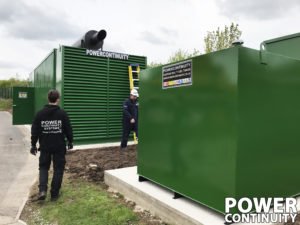
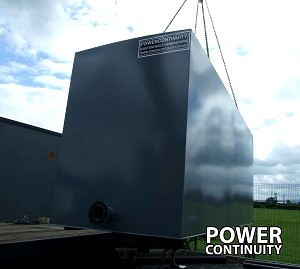
The base tanks sits below the generator.
This is especially useful when space is at a premium. Many generators are supplied with an integral base tank with no choice as to its capacity.
An auxiliary fuel tank gives extra space when needed. This will increase the capacity to suit your site requirements. Another point to bear in mind is that smaller fuel tanks will require topping up on a more regular basis. We would always suggest at least a 72 hour fuel tank, fully fuelled will provide resilience for a data centre.
Data Centre Systems Fuel Costs
Power Continuity generators are powered by red diesel. Due to the volatile nature of fuel prices, it is advisable to get quotes as near as possible to the required delivery date to ensure an accurate and firm price. Fuel is delivered in various formats. Either via tanker or barrels. Bulk tanker deliveries are the most cost-effective option, as the price per litre will be considerably less than fuel delivered in barrels. This highlights the need to choose a larger fuel storage system if fuel costs are a key issue for your organisation. However, barrels are useful if a small tank is installed. The driver will likely top up your tank as part of the delivery service. The bigger the tank, the better fuel cost per litre. Like McDonald’s, always go large, as far your budget allows.
Maintaining Fuel Quality
You may think that fuel stored in a sealed tank would be free from contaminants, but this is certainly not the case. Water can find its way into the tank and mix with the fuel. It can cause the inside of the tank to rust, and rust particles will then fall into the fuel. As well as this, it will encourage the growth of microbes, known as ‘diesel bug’.
All of these contaminants will have an adverse effect on the generator, decreasing its efficiency and increasing service and maintenance costs. Fuel testing will identify any or all of the above issues. Cases of severe contamination will require a thorough cleaning process for both the fuel and the storage tank. A scheduled ‘fuel polishing’ programme helps prevent this problem. Certainly, this will keep the fuel in good condition and prolong the life of the generator’s filters and other vital components. Power Continuity installs fuel filtration systems that continuously clean your fuel (fitted new or retro fitted). Eliminate the risk. Your generator is only as good as the fuel.
Security
These target generator fuel tanks and barrels. The expense of replacing the fuel, as well as repairing damage to the generator and/or fuel system can be costly. To help prevent fuel theft, security options might include the installation of security fencing or a walled enclosure, CCTV, security lighting and an alarm system. Always padlock it!
Monitoring
Weekly OFF load testing is important. Even if a generator is sat for several months without any requirement to provide emergency power, regular testing will ensure reliability in the event of an emergency. As a result, weekly testing will, of course, gradually drain the fuel tank(s). Therefore, fuel level monitoring should be part of the weekly test. Also test the generator every 4 weeks ON load and let it run for an hour holding up the building load. There is no better regime than to test weekly and monthly. Keep a written record. Before planning any data centre power infrastructure, call Power Continuity for free advice.
If you’re looking for a Fuel Tank, call us on 0845 055 8455, we’re here to help!